12 Foods High in Vitamin B12 (Best B12 Sources)
What Is Vitamin B12? (Why Foods High in Vitamin B12 Matter) Before diving into specific foods high in vitamin B12,...
- What Is Vitamin B12? (Why Foods High in Vitamin B12 Matter)
- How Much Vitamin B12 Do You Need? (Daily Targets from Foods High in Vitamin B12)
- Top Animal-Based Foods High in Vitamin B12 (Most Reliable Sources)
- Plant-Based and Fortified Foods High in Vitamin B12 (What Actually Helps)
- Easy Ways to Add More Foods High in Vitamin B12 to Your Diet
- Tips & Smart Swaps (Using Foods High in Vitamin B12)
- Frequently Asked Questions About Foods High in Vitamin B12
- Final Takeaway & CTA
What Is Vitamin B12? (Why Foods High in Vitamin B12 Matter)
Before diving into specific foods high in vitamin B12, it helps to understand why this nutrient matters so much.
👉 This pairs well with our Vitamin K Foods: Best Sources for Everyday Health guide if you want the full picture on topics related to everyday.
What vitamin B12 does in the body
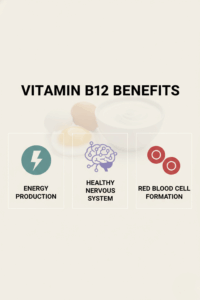
Vitamin B12 (cobalamin) is essential for converting food into usable energy. It helps your body make red blood cells and keeps nerves functioning properly. Without enough B12, oxygen delivery drops, which can lead to fatigue and brain fog. For example, one large egg provides about 0.6 mcg of vitamin B12—roughly 25% of the daily value—supporting daily energy production. Because the body can’t make B12 on its own, foods high in vitamin B12 are the primary source for most people.
👉 This pairs well with our Vitamin D–Rich Foods to Boost Your Daily Intake guide if you want the full picture on topics related to vitamin.
Signs you may be low in vitamin B12
Low vitamin B12 levels can show up subtly. Common signs include low energy, tingling in hands or feet, poor concentration, and pale skin. In the U.S., adults over 50 are more likely to experience deficiency because stomach acid (needed for absorption) decreases with age. If your diet lacks foods high in vitamin B12—such as fish, meat, eggs, or dairy—your risk goes up over time, even if symptoms start mild.
👉 For a deeper dive into topics related to gluten, check out: Gluten-Free Sugar-Free Banana Bread (Low-Carb) — it’s packed with practical tips.
How Much Vitamin B12 Do You Need? (Daily Targets from Foods High in Vitamin B12)
Knowing how much vitamin B12 you need helps you choose the right foods high in vitamin B12 without guesswork.
Daily vitamin B12 needs by age
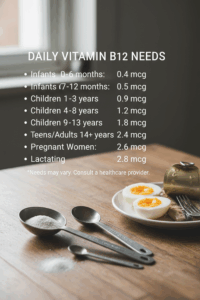
Most U.S. adults need 2.4 mcg per day. Pregnant adults need 2.6 mcg, and breastfeeding adults need 2.8 mcg daily. For perspective, a 3 oz serving of sardines can deliver over 7 mcg, more than double the daily requirement. Regularly including foods high in vitamin B12 makes it easy to meet these numbers without tracking every bite.
Can you get too much vitamin B12?
Vitamin B12 is water-soluble, so excess amounts are typically excreted in urine. There’s no established upper limit from food sources. Eating multiple foods high in vitamin B12—like eggs at breakfast and chicken at dinner—is considered safe for healthy adults. Supplements can deliver much higher doses, but food-based intake alone rarely causes issues.
Top Animal-Based Foods High in Vitamin B12 (Most Reliable Sources)
Animal products remain the most consistent and absorbable foods high in vitamin B12.
Fish, meat, eggs, and dairy
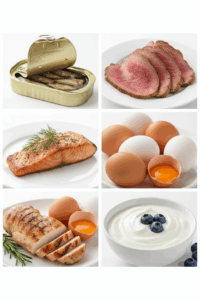
Seafood tops the list. Sardines (3 oz, canned) provide about 7–8 mcg of vitamin B12. Chicken (3 oz roasted) delivers around 0.3 mcg, while red meat offers about 2–2.5 mcg per 3 oz serving. Eggs contribute roughly 0.6 mcg per large egg, and plain yogurt provides about 1.3 mcg per cup. Rotating these foods high in vitamin B12 throughout the week supports steady intake.
Why animal-based B12 is easier to absorb
Vitamin B12 in animal foods is naturally bound to protein in a form the body recognizes. For example, a breakfast of two eggs (about 1.2 mcg) plus a cup of yogurt (1.3 mcg) already meets the daily requirement. This bioavailability makes animal-based foods high in vitamin B12 especially helpful for older adults with reduced absorption.
Plant-Based and Fortified Foods High in Vitamin B12 (What Actually Helps)
Plant foods don’t naturally contain much B12, but some options still contribute when chosen carefully.
Mushrooms and fortified foods
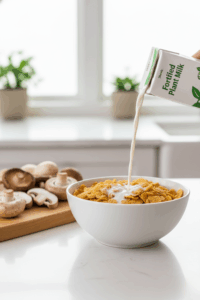
Certain mushrooms exposed to UV light contain small amounts of vitamin B12. White button mushrooms may provide about 0.03 mcg per cup, which is modest but additive. More impactful are fortified foods, such as breakfast cereals or plant milks labeled with added B12. A single serving of fortified cereal can provide 1–6 mcg, making it one of the most effective plant-based foods high in vitamin B12.
Fruits and nuts: what they really provide
Foods like almonds, kiwi, guava, oranges, blackberries, and pomegranate are nutritious but not true B12 sources. They support overall health with fiber and vitamin C but shouldn’t be relied on for B12 intake. Pairing these foods with fortified or animal-based foods high in vitamin B12 is the smartest approach for balanced nutrition.
Easy Ways to Add More Foods High in Vitamin B12 to Your Diet
Once you know your options, adding foods high in vitamin B12 can be simple and practical.
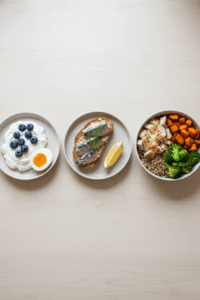
Simple meal and snack ideas
Try sardines on whole-grain toast with lemon for lunch, or add a hard-boiled egg to a salad. A dinner of grilled chicken (4 oz) with yogurt-based sauce can provide over 1.5 mcg of vitamin B12. Breakfast cereals fortified with B12 and milk (or fortified plant milk) are another easy win for busy mornings.
When supplements may help
If you avoid animal products or have absorption issues, supplements may be useful—but food should come first. Many Americans can meet needs through foods high in vitamin B12 alone. If blood tests show low levels, a healthcare professional may suggest supplements alongside dietary changes.
Tips & Smart Swaps (Using Foods High in Vitamin B12)
- Swap processed lunch meat for canned sardines once a week
- Add one egg daily for an easy B12 boost
- Choose fortified cereal over refined grains
- Use yogurt instead of sour cream
- Combine plant foods with fortified options
- Rotate protein sources to avoid boredom
Frequently Asked Questions About Foods High in Vitamin B12
Are eggs enough to meet daily vitamin B12 needs?
Eggs help, but usually aren’t enough alone. One large egg provides about 0.6 mcg of vitamin B12, while adults need 2.4 mcg daily. Eating two eggs plus yogurt or meat can easily cover the gap. Eggs work best as part of a mix of foods high in vitamin B12 rather than the sole source.
Do fruits labeled “B12-rich” really contain vitamin B12?
Most fruits do not naturally contain vitamin B12. While fruits like oranges or kiwi support overall health, they don’t meaningfully contribute to B12 intake. Rely on animal foods or fortified products if you’re aiming to increase foods high in vitamin B12.
Is canned fish as good as fresh for vitamin B12?
Yes. Canned sardines and salmon retain vitamin B12 well. A 3 oz serving of canned sardines often contains 7 mcg or more, making them one of the most efficient foods high in vitamin B12 available year-round.
Can older adults absorb vitamin B12 from food?
Absorption can decrease with age due to lower stomach acid. However, many older adults still benefit from foods high in vitamin B12, especially fortified foods or smaller, frequent servings. Blood testing can help guide needs.
Are fortified foods safe for daily use?
Yes, fortified foods are widely used in the U.S. and considered safe. They’re regulated and provide controlled amounts of vitamin B12. Combining fortified foods with natural foods high in vitamin B12 is a practical strategy.
Final Takeaway & CTA
Vitamin B12 supports energy, brain health, and red blood cell production—and it’s easiest to get from foods high in vitamin B12 you already enjoy. Start with small swaps, stay consistent, and build meals that naturally meet your daily needs.
Disclaimer: This content is for informational purposes only and is not a substitute for professional medical advice.

About Sarah Williams
We turn solid evidence into everyday habits Americans can actually do—plain English, cups/oz, grocery-aisle swaps, and routines that fit real life. Our editorial process: Experience—we road-test tips in real schedules…