What Blood Clots Are and Why Prevention Matters
Blood clot prevention isn’t about stopping clotting entirely—it’s about keeping your body in balance.
The difference between normal clotting and dangerous clots
Your body forms clots to stop bleeding after a cut or injury. This process relies on platelets and clotting factors working together. Problems arise when clots form without an injury or fail to dissolve. For example, a deep vein thrombosis (DVT) can develop in the legs after long periods of sitting, such as a 6–8 hour flight or desk workday. If that clot travels to the lungs, it can become a pulmonary embolism, a medical emergency. Diet alone doesn’t prevent these events, but long-term eating patterns can support healthier circulation.
Common risk factors that make clots more likely
Several factors increase clot risk in everyday American life. These include prolonged sitting, smoking, obesity, dehydration, pregnancy, and certain medications. Age also matters: adults over 60 have a higher baseline risk. Medical conditions like atrial fibrillation or diabetes can further raise concern. Because many of these risks overlap with lifestyle habits, nutrition becomes one practical area where people can support overall vascular health alongside movement, hydration, and medical care.
Why Leafy Greens Can Support Healthy Blood Flow
Leafy greens are often misunderstood—they don’t “cause clots,” but they do influence clotting balance.
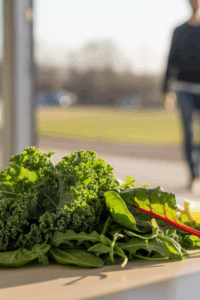
 Can Support Healthy Blood Flow” width=”600″ height=”900″ />
Vitamin K and the clotting balance
Vitamin K is essential for activating proteins that help blood clot properly. One cup of raw kale provides over 500 micrograms of vitamin K—well above the daily adequate intake for adults. This doesn’t mean kale is harmful; it means consistency matters. Sudden spikes or drops in vitamin K intake can affect people on blood-thinning medications. For everyone else, steady intake helps the body regulate clotting as designed, rather than swinging between extremes.
Nitrates, antioxidants, and circulation
Many leafy greens—like spinach and arugula—contain natural nitrates. In the body, nitrates convert to nitric oxide, which helps blood vessels relax and improves circulation. For example, studies often use 1–2 cups of nitrate-rich greens daily to observe vascular benefits. Greens also contain antioxidants such as flavonoids and chlorophyll that help reduce oxidative stress, a factor linked to inflammation and blood vessel damage over time.
Best Leafy Greens for Blood Clot Prevention
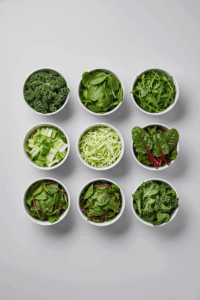
Not all greens offer the same nutrient profile, so variety matters.
Top greens and what makes each one unique
-
Kale: One cup raw delivers more than 500% of daily vitamin K needs, supporting normal clotting function when eaten regularly.
-
Spinach: Rich in nitrates; 1 cup cooked provides about 800 mg potassium, supporting blood pressure control.
-
Swiss chard: Contains betaine, a compound linked to lower homocysteine levels, which may affect clot risk.
-
Collard greens: A Southern U.S. staple, offering vitamin E and fiber—about 5 grams per cooked cup.
-
Arugula: Peppery and light, high in nitrates with fewer calories; 2 cups raw fit easily into salads.
-
Beet greens: Often discarded, yet high in vitamin K and magnesium—try sautéing 1 cup with olive oil.
-
Romaine lettuce: Lower in vitamin K but contains ferulic acid antioxidants, making it useful for balance.
-
Turnip greens: Provide vitamin K2 forms, which may support vascular health.
-
Cabbage: Offers sulforaphane compounds studied for heart and metabolic support.
Why rotating greens is smarter than sticking to one
Eating only one type of green daily can overload certain nutrients while missing others. Rotating 3–5 greens weekly—such as spinach, kale, romaine, cabbage, and arugula—creates a broader nutrient mix. For example, alternating salads and cooked greens across the week keeps vitamin K intake steady while adding different antioxidants and minerals.
How Much to Eat and Easy Ways to Use Greens
Once you know which greens matter, the next step is making them practical.
Simple serving guide for most adults
For general wellness, many U.S. dietitians suggest 1–2 cups of leafy greens per day. That might look like 1 cup raw spinach in a smoothie and 1 cup cooked collards at dinner. Cooked greens shrink, so 1 cup cooked equals about 2–3 cups raw. Spreading intake across meals helps maintain consistent nutrient levels instead of one large dose.
Quick meal ideas, prep, and storage tips
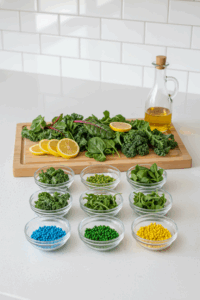
Leafy greens don’t need to be complicated. Toss arugula with olive oil and lemon for a 5-minute salad. Add chopped kale to soups during the last 10 minutes of simmering. Sauté beet greens with garlic over medium heat (350°F pan temperature) for 4–5 minutes. Store washed greens wrapped in paper towels in the fridge; most last 3–5 days, while cabbage can keep for 1–2 weeks.
Important Notes, FAQs, and Takeaway
Before making changes, it helps to understand safety and common questions.
Important note if you take blood thinners
If you use medications like warfarin, consistency is key. Rather than avoiding greens, aim to eat a similar amount daily—such as 1 cup cooked or 2 cups raw. Always talk with your clinician before making major dietary changes, especially if labs are being monitored.
FAQs
Do leafy greens prevent blood clots completely?
No. Leafy greens don’t guarantee prevention. They support normal clotting balance and circulation as part of an overall healthy lifestyle that includes movement, hydration, and medical care when needed.
Is vitamin K bad for people worried about clots?
Vitamin K isn’t “bad.” It’s essential for normal clotting. Problems usually arise from inconsistent intake, not from eating greens regularly.
Which green is lowest in vitamin K?
Iceberg and romaine lettuce are lower compared to kale or spinach. Romaine offers antioxidants with less vitamin K, useful for balance.
Can I get the same benefits from supplements?
Whole foods provide fiber, water, and multiple compounds working together. Supplements usually isolate one nutrient and don’t replace the benefits of eating greens.
Are cooked greens better than raw?
Neither is better universally. Cooking reduces volume and can improve mineral absorption, while raw greens preserve vitamin C and texture. A mix works best.
Final takeaway and CTA
Leafy greens can support blood clot prevention by contributing vitamin K, nitrates, and antioxidants—when eaten consistently and in variety. Start by adding one extra cup of greens per day this week and build from there.
Disclaimer: This content is for informational purposes only and is not a substitute for professional medical advice.
 Can Support Healthy Blood Flow” width=”600″ height=”900″ />