Best Foods for Eye Health and Vision
Good vision isn’t just about genetics or eye exams—it’s also influenced by what you eat every day. A balanced diet...
Good vision isn’t just about genetics or eye exams—it’s also influenced by what you eat every day. A balanced diet that includes specific nutrients can help support eye health, maintain clear vision, and protect your eyes as you age. From leafy greens to fatty fish, many everyday foods found in US grocery stores contain vitamins and antioxidants linked to eye function. Below, we break down why nutrition matters for your eyes, the best foods to include, and practical ways to build eye-friendly meals without overhauling your routine.
Why Nutrition Matters for Eye Health
Your eyes are metabolically active organs, which means they constantly use nutrients to function properly. Over time, poor dietary habits may contribute to eye strain, dryness, or age-related vision changes. That’s why building meals with eye-supportive nutrients early—and maintaining them consistently—matters.
👉 Want to go further? Our complete breakdown of Nutrient-Rich Nuts & Seeds: Top Health Benefits walks you through topics related to benefits step by step.
How diet affects vision as you age
As you get older, your eyes experience natural changes such as reduced tear production and slower visual processing. Research-backed nutrients like lutein and vitamin A are commonly associated with retinal health. For example, adults who regularly consume at least 1–2 cups of vegetables daily often get more carotenoids than those who don’t. While diet alone can’t prevent every eye condition, eating nutrient-dense foods may help support long-term visual comfort and performance.
👉 For a deeper dive into getting enough protein, check out: Protein-Rich Foods to Power a Healthy Diet — it’s packed with practical tips.
Key eye-supporting nutrients to know
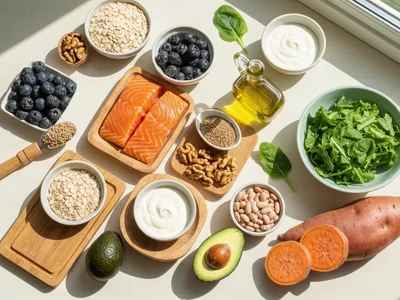
Several nutrients are frequently linked to eye health. Vitamin A supports low-light vision, while vitamin C helps maintain connective tissues in the eye. Omega-3 fatty acids are often associated with tear production and eye moisture. Zinc helps transport vitamin A from the liver to the retina. Many of these nutrients come from affordable foods like eggs, beans, citrus fruits, and fish you can find at most US supermarkets.
👉 If you’re also working on topics related to inflammatory, our detailed guide on 15 Easy Anti-Inflammatory Meals for Weeknights covers exactly what you need.
Best Foods for Healthy Eyes
Now that you understand why nutrition matters, let’s look at specific food groups that are often considered the best foods for eye health. These foods provide a mix of vitamins, minerals, and antioxidants that support overall vision.
Dark leafy greens and cruciferous veggies
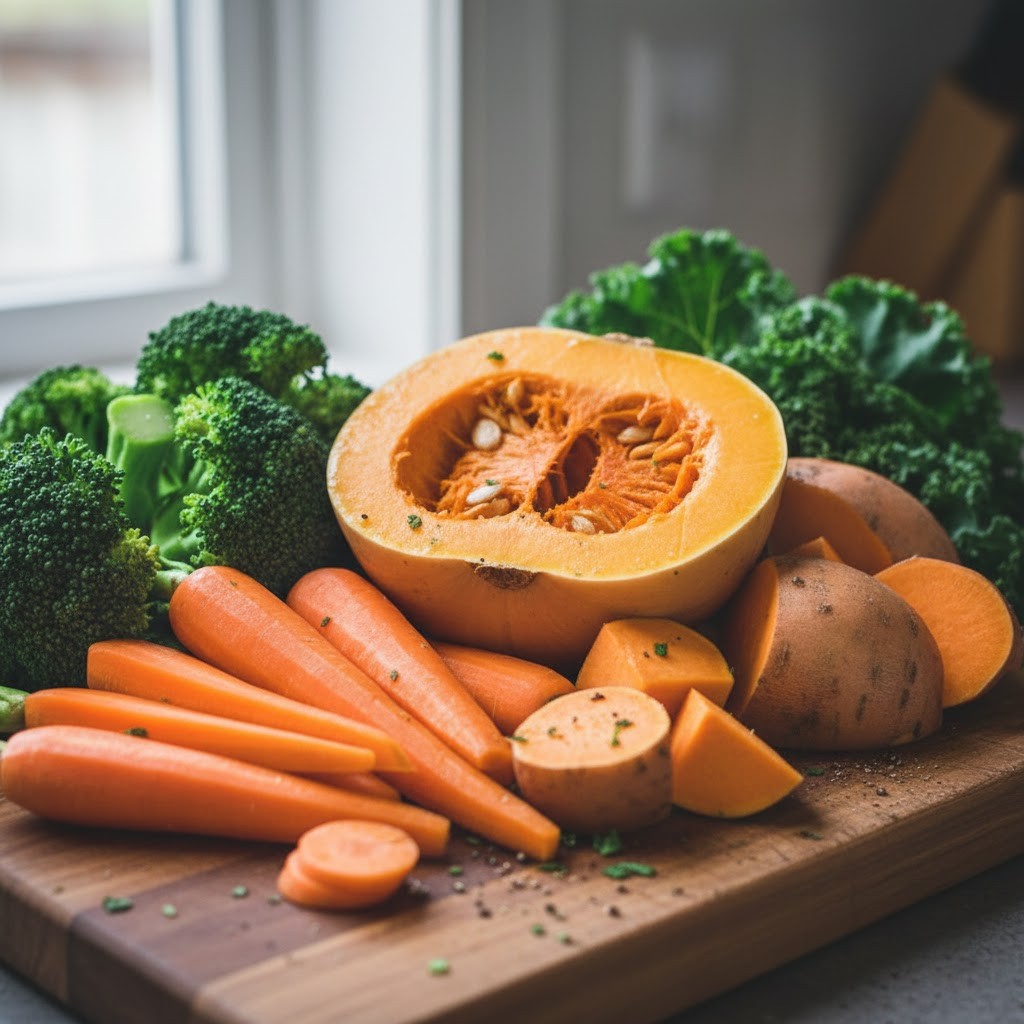
Spinach, kale, broccoli, and Brussels sprouts are rich in lutein and zeaxanthin—two antioxidants commonly associated with eye health. A single cup of cooked spinach contains about 20 mg of lutein and zeaxanthin combined. These compounds are found in the retina and help filter blue light. Adding 1 cup of leafy greens to lunch or dinner a few times per week is a simple, budget-friendly way to support your eyes.
Orange and red vegetables rich in beta-carotene
Carrots, sweet potatoes, squash, and red bell peppers are well-known sources of beta-carotene, which the body converts into vitamin A. One medium sweet potato provides over 100% of the daily value for vitamin A. These vegetables are easy to roast at 400°F for 25–30 minutes, making them a convenient side dish that supports vision and overall nutrition.
Fish and seafood high in omega-3s
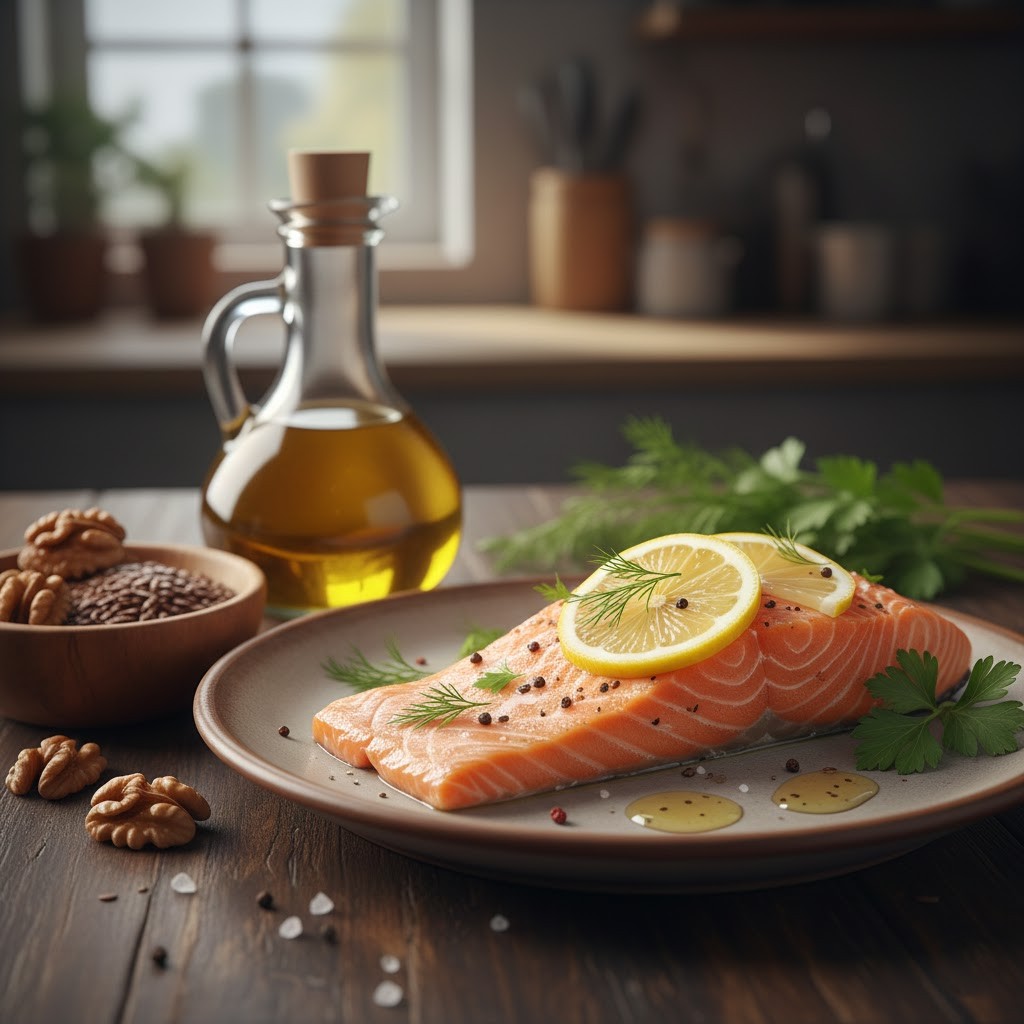
Fatty fish like salmon, sardines, and trout contain omega-3 fatty acids, particularly DHA. A 3–4 oz serving of salmon provides roughly 1,500 mg of omega-3s. DHA is a structural component of the retina and is often linked to eye moisture and comfort. Aim for fish meals 2 times per week, using grilled, baked, or pan-seared methods.
How to Add Eye-Healthy Foods to Your Daily Diet
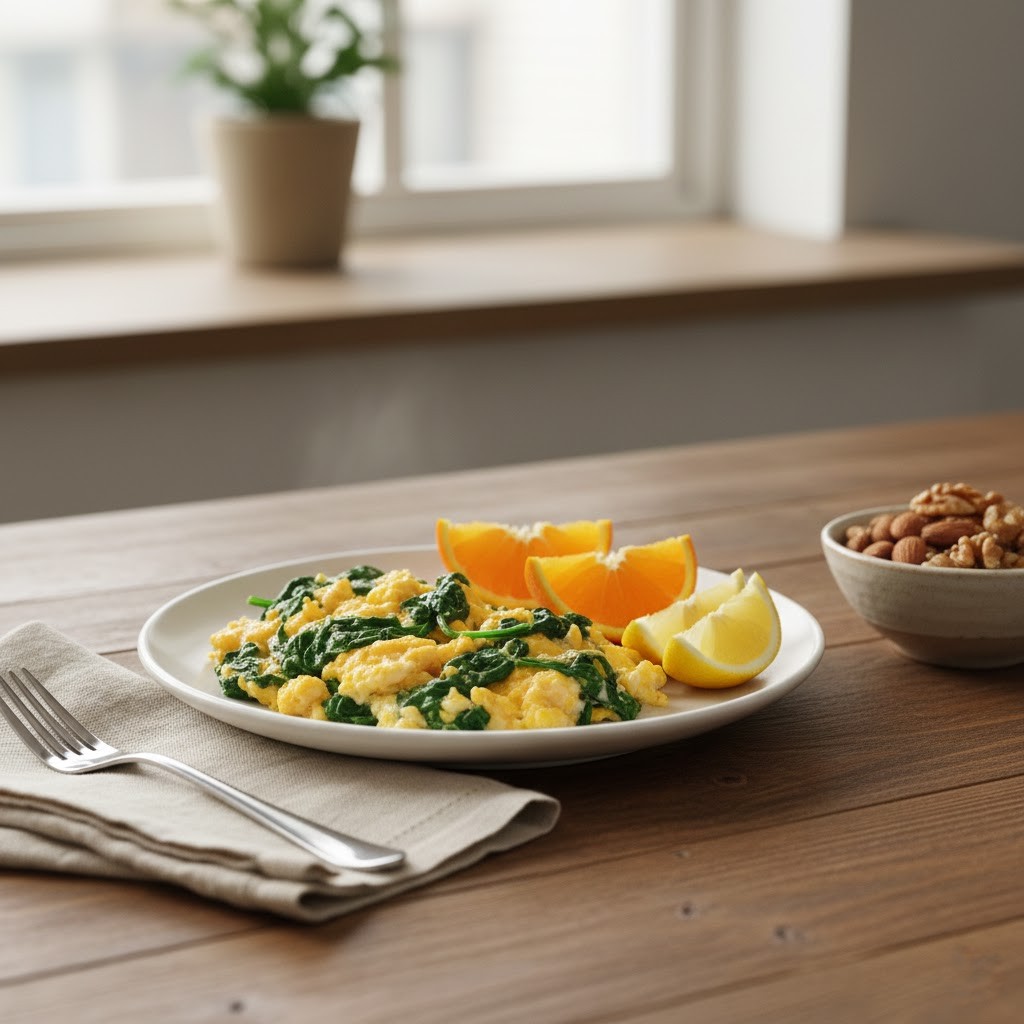
Knowing which foods support eye health is helpful, but consistency matters most. Fortunately, incorporating these foods doesn’t require complicated meal plans or specialty ingredients.
Easy swaps at breakfast, lunch, and dinner
Start your day by adding vegetables to breakfast—like spinach in scrambled eggs or an omelet. At lunch, swap refined grains for salads topped with beans or grilled salmon. For dinner, roast a tray of mixed vegetables (carrots, broccoli, squash) and pair it with lean protein. Even one swap per meal can increase your intake of eye-supportive nutrients by the end of the day.
Simple snack ideas for busy schedules
Snacks are a great opportunity to boost nutrition without extra effort. A small handful (about 1 oz) of almonds or sunflower seeds provides vitamin E and healthy fats. Citrus fruits like oranges or grapefruits offer vitamin C—one medium orange contains about 70 mg. Hard-boiled eggs, yogurt with berries, or hummus with veggie sticks are all portable options that fit into busy US lifestyles.
Quick tips & swaps:
- Use olive oil instead of butter when roasting vegetables
- Add frozen spinach to soups or pasta sauces
- Choose canned salmon for budget-friendly meals
- Snack on carrots instead of chips
- Add beans to salads or rice bowls
Foods and Habits That May Harm Eye Health
While adding nutritious foods is important, it’s equally helpful to be aware of habits that may negatively affect your eyes. Small changes here can complement a healthy diet.
Highly processed foods and excess sugar
Diets high in ultra-processed foods, sugary snacks, and sweetened beverages may crowd out nutrient-dense options. For example, replacing soda with citrus-infused water reduces sugar intake while increasing hydration. Consistently high sugar consumption is often linked to inflammation, which may indirectly affect eye comfort. Moderation is key—aim to balance treats with whole foods rather than eliminating them completely.
Lifestyle habits to watch
Beyond food, lifestyle choices matter. Long screen time without breaks can cause eye strain, regardless of diet. Smoking is also associated with increased risk of vision issues. Simple habits like following the 20-20-20 rule (every 20 minutes, look 20 feet away for 20 seconds) and wearing sunglasses outdoors can work alongside good nutrition to support eye health.
Practical Tips for Long-Term Eye Health
Bringing everything together, long-term eye health is about sustainable habits—not quick fixes. Nutrition plays a supportive role when paired with everyday eye care.
Diet, lifestyle, and routine eye care
Aim for variety rather than perfection. Eating different colored fruits and vegetables each week helps cover a broad range of nutrients. Schedule routine eye exams every 1–2 years, depending on your age and needs. Staying hydrated—about 8 cups of water per day for many adults—also supports overall eye comfort. When diet and lifestyle work together, they create a strong foundation for maintaining vision over time.
Frequently Asked Questions
- What are the best foods for eye health overall?
The best foods for eye health typically include leafy greens, fatty fish, eggs, colorful vegetables, nuts, and citrus fruits. These foods provide nutrients like vitamin A, omega-3s, lutein, and vitamin C. Eating a mix of these foods throughout the week helps support overall eye function and complements routine eye care. - How often should I eat fish for eye health?
Many dietary guidelines suggest eating fatty fish about 2 times per week. A serving size is usually 3–4 oz cooked. This amount provides omega-3 fatty acids linked to retinal structure and eye moisture. If you don’t eat fish, plant-based options like flaxseed or walnuts can help, though they provide different omega-3 forms. - Are carrots really good for your eyes?
Carrots are a source of beta-carotene, which the body converts into vitamin A—important for normal vision. While carrots alone won’t improve eyesight overnight, including them regularly (for example, ½–1 cup a few times per week) supports overall eye nutrition as part of a balanced diet. - Can supplements replace eye-healthy foods?
Supplements may help in certain situations, but they don’t fully replace whole foods. Foods provide fiber and additional compounds not found in pills. If you’re considering supplements for eye health, it’s best to discuss them with a healthcare professional, especially if you have existing conditions. - Does screen time cancel out a healthy diet?
No, but excessive screen time can still cause eye strain even with good nutrition. A healthy diet supports eye function, while habits like regular breaks, proper lighting, and screen distance help reduce daily discomfort. Both diet and behavior work together for eye comfort.
Eating the best foods for eye health is a practical, everyday way to support your vision. Focus on variety, consistency, and simple meal choices, and pair good nutrition with smart eye-care habits for long-term benefits.
Disclaimer: This content is for informational purposes only and is not a substitute for professional medical advice.

About Jane Smith
We turn solid evidence into everyday habits Americans can actually do—plain English, cups/oz, grocery-aisle swaps, and routines that fit real life. Our editorial process: Experience—we road-test tips in real schedules…