Vitamin D–Rich Foods to Boost Your Daily Intake
Vitamin D plays a critical role in everyday health, yet many Americans don’t get enough from food alone. While sunlight...
Vitamin D plays a critical role in everyday health, yet many Americans don’t get enough from food alone. While sunlight helps, diet matters—especially during winter, busy workweeks, or limited outdoor time. This guide focuses on vitamin D–rich foods commonly found in US grocery stores, explains how much you need, and shows practical ways to add these foods to daily meals without overhauling your routine.
What Is Vitamin D and Why It Matters
Vitamin D is a fat-soluble vitamin that helps the body use calcium and phosphorus effectively. Unlike most vitamins, your body can produce it when skin is exposed to sunlight—but food sources are still essential.
👉 If you’re also working on topics related to everyday, our detailed guide on Vitamin K Foods: Best Sources for Everyday Health covers exactly what you need.
Key Benefits for Bones and Muscles
Vitamin D supports calcium absorption, which is crucial for maintaining strong bones and teeth. For example, adults who meet the recommended 600–800 IU per day are better positioned to maintain bone density as they age. It also supports normal muscle function, which matters for balance and mobility, especially in adults over 50. Without enough vitamin D, even a calcium-rich diet may not work as effectively.
👉 If you’re also working on topics related to benefits, our detailed guide on Nutrient-Rich Nuts & Seeds: Top Health Benefits covers exactly what you need.
Why Vitamin D Deficiency Is Common
In the US, vitamin D deficiency is common due to indoor lifestyles, sunscreen use, and northern latitudes with limited winter sun. According to CDC estimates, about 1 in 4 adults have low vitamin D levels. That’s why relying only on sunlight isn’t always enough—dietary sources help fill the gap year-round.
👉 If you’re also working on topics related to sources, our detailed guide on 12 Foods High in Vitamin B12 (Best B12 Sources) covers exactly what you need.
Top Vitamin D–Rich Foods
Transitioning from “what it is” to “what to eat,” this section highlights practical food sources that naturally contain or are fortified with vitamin D.
Fatty Fish and Seafood
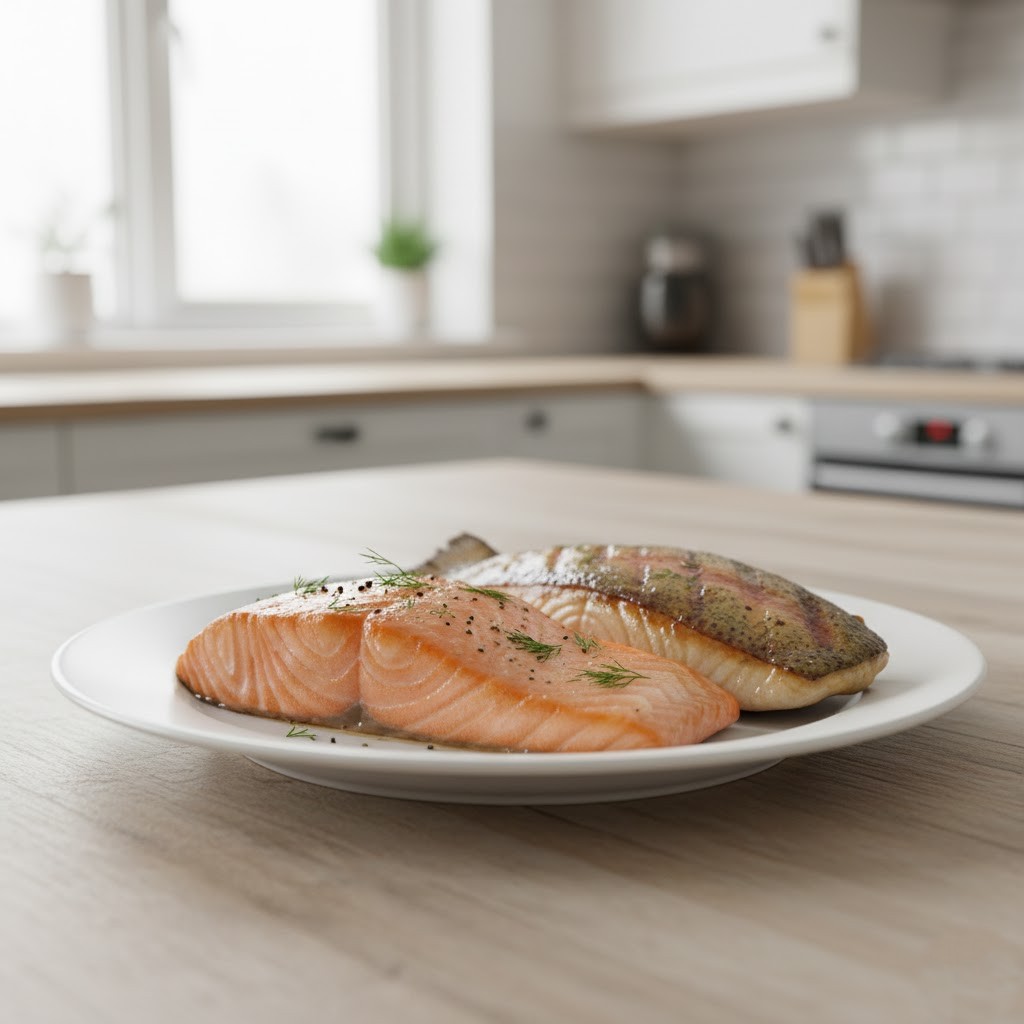
Fatty fish are among the best natural sources of vitamin D. A 3-oz serving of sockeye salmon provides about 570 IU, nearly a full day’s requirement. Rainbow trout and herring are also strong options, each delivering 400–650 IU per serving. These foods are widely available fresh or frozen in US supermarkets and can be baked at 400°F for 12–15 minutes for an easy dinner.
Eggs and Organ Meats
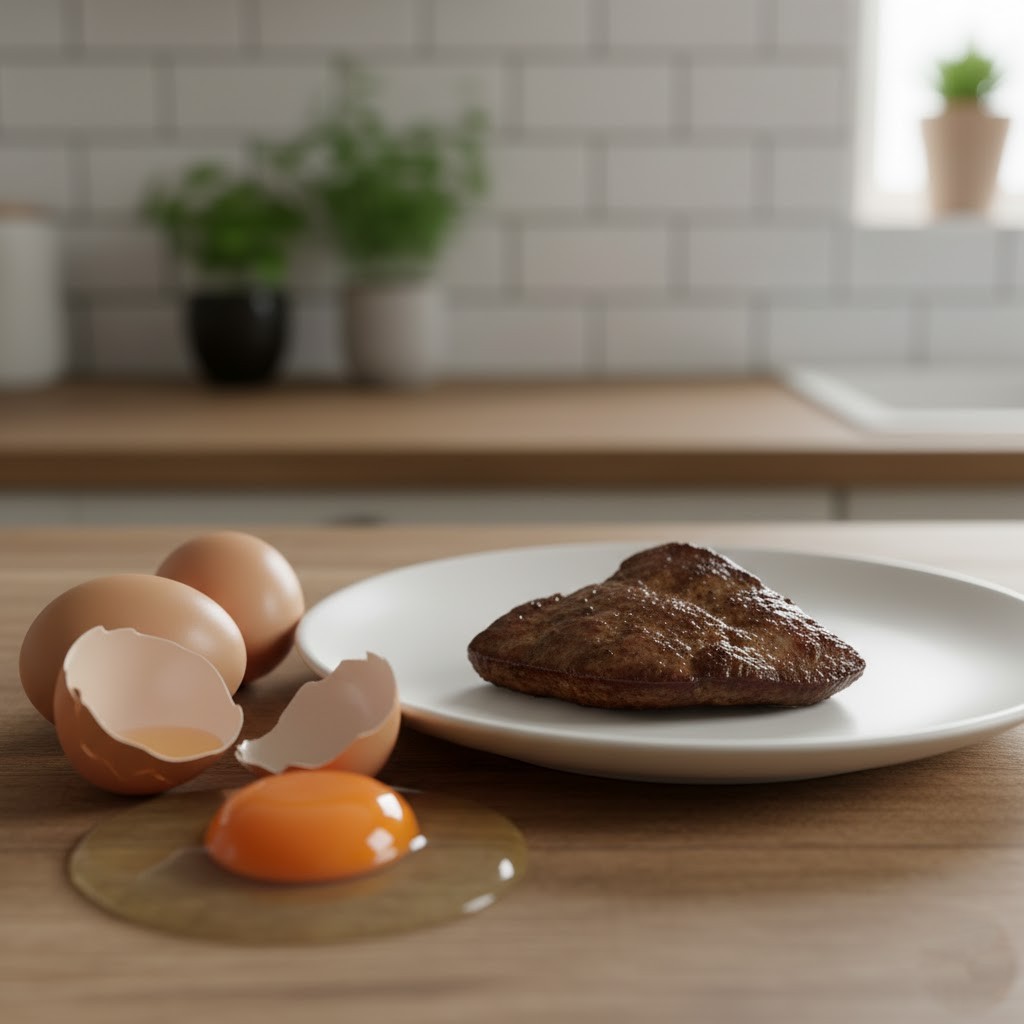
Egg yolks contain vitamin D, with one large egg providing about 40 IU. While not high on their own, eggs add up when eaten regularly. Beef liver offers around 50 IU per 3 oz, though it’s less commonly eaten. Including eggs a few times a week—such as two eggs at breakfast—can contribute meaningful amounts over time.
Fortified Foods and Mushrooms

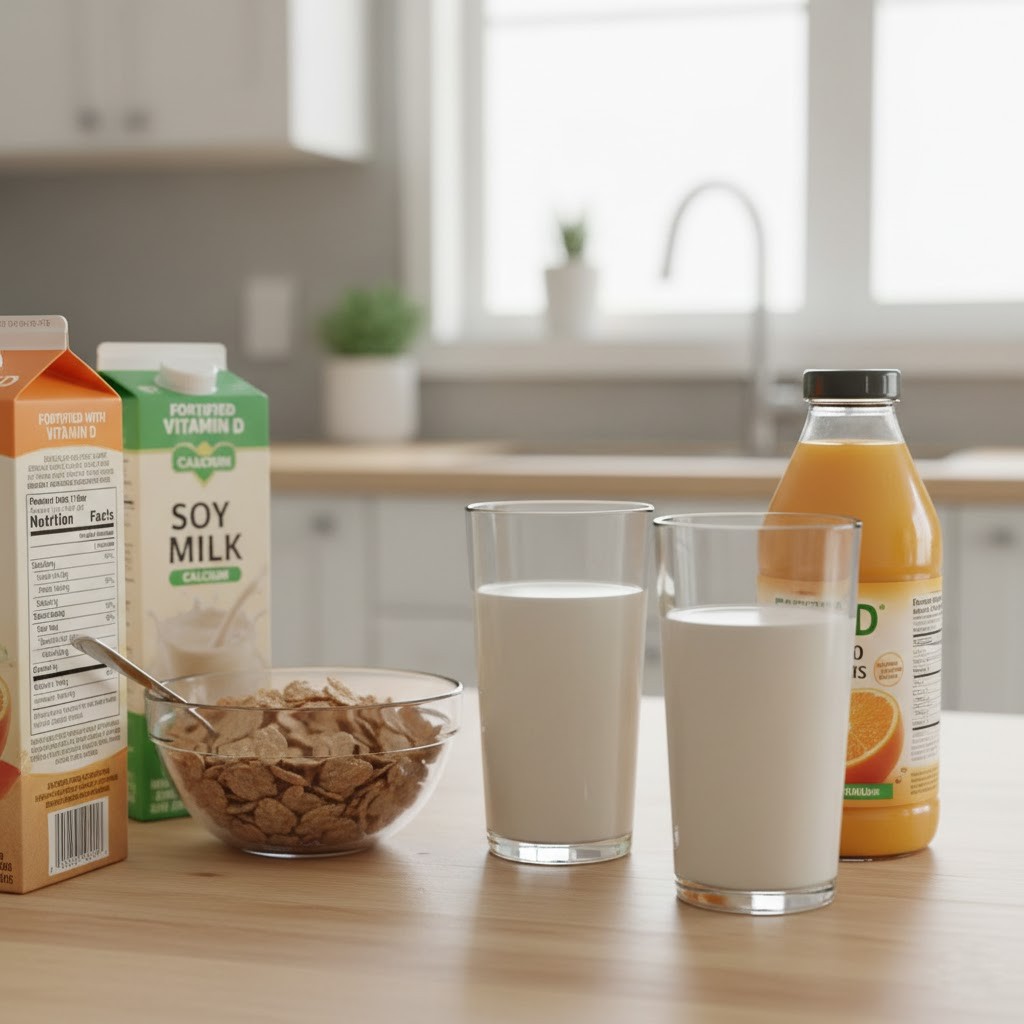
Many US staples are fortified with vitamin D. One cup of fortified milk or soy milk typically contains 100–120 IU, while fortified orange juice provides about 100 IU per cup. Mushrooms exposed to UV light can deliver 200–400 IU per serving, making them one of the few plant-based options.
How Much Vitamin D Do Americans Need?
Once you know the sources, the next question is how much vitamin D is enough—and whether food alone can meet those needs.
Recommended Daily Intake by Age
According to US guidelines, most adults aged 19–70 need 600 IU daily, while adults over 70 need 800 IU. Children typically need 400–600 IU depending on age. For example, a day that includes one cup of fortified milk (120 IU), a 3-oz salmon serving (570 IU), and an egg (40 IU) can easily meet adult needs through food alone.
Food vs Sun Exposure
Sun exposure can help the body make vitamin D, but factors like skin tone, season, and latitude matter. In northern states, winter sun may not provide enough. That’s why vitamin D–rich foods are especially important from November through March, when UVB rays are weaker and outdoor time drops.
Easy Ways to Add Vitamin D Foods to Your Diet
Knowing the numbers is helpful, but applying them daily is what counts. These ideas focus on realistic meals using common US groceries.
Simple Meal and Snack Ideas
Try adding canned tuna (about 150 IU per 3 oz) to a lunchtime sandwich or salad twice a week. Use fortified milk or soy milk in morning cereal or smoothies—one cup already adds 100 IU. Dinner can include baked salmon once weekly, which alone can cover most of your needs. Even small changes, repeated often, make a difference.
Tips, Swaps, and Shortcuts
- Choose canned sardines for a shelf-stable option with ~180 IU per serving
- Use fortified plant milks if you avoid dairy
- Add UV-exposed mushrooms to omelets or stir-fries
- Rotate fish types to keep meals interesting
- Check nutrition labels for vitamin D amounts
Frequently Asked Questions
-
Can I get enough vitamin D from food alone?
Yes, many people can—especially if they regularly eat fatty fish and fortified foods. For example, salmon once a week plus daily fortified milk can cover most needs. However, some individuals may still require supplements.
-
Are fortified foods as good as natural sources?
Fortified foods are effective and widely used in the US. Milk, soy milk, and orange juice with added vitamin D are reliable and consistent. Natural sources like fish often provide higher amounts per serving.
-
Do eggs provide enough vitamin D?
Eggs help but usually aren’t enough on their own. One egg has about 40 IU, so they work best as part of a broader diet that includes fish or fortified foods.
-
Is vitamin D from mushrooms different?
Vitamin D from UV-exposed mushrooms is vitamin D2, while animal foods provide D3. Both raise blood levels, though D3 is generally considered more efficient.
-
Can cooking reduce vitamin D?
Vitamin D is relatively heat-stable. Baking or pan-cooking fish at 375–425°F causes minimal loss, making cooked foods still excellent sources.
Focusing on vitamin D–rich foods like fatty fish, fortified milk, and UV-exposed mushrooms makes it easier to meet daily needs without guesswork. Small, consistent choices at meals can add up quickly and support long-term nutritional balance.
Disclaimer: This content is for informational purposes only and is not a substitute for professional medical advice.

About Sarah Williams
We turn solid evidence into everyday habits Americans can actually do—plain English, cups/oz, grocery-aisle swaps, and routines that fit real life. Our editorial process: Experience—we road-test tips in real schedules…