Vitamin C–Rich Foods for Everyday Wellness
Vitamin C–rich foods play a key role in everyday nutrition, yet many Americans still fall short of eating enough fruits...
Vitamin C–rich foods play a key role in everyday nutrition, yet many Americans still fall short of eating enough fruits and vegetables that provide it naturally. Vitamin C supports immune function, collagen production, and iron absorption, making it an essential part of a balanced diet. The good news is that vitamin C is widely available in affordable, familiar grocery items—from bell peppers to citrus fruit. This guide breaks down what vitamin C does, which foods contain the most, and how to include them easily in everyday US meals.
What Is Vitamin C and Why It Matters
Vitamin C, also known as ascorbic acid, is a water-soluble vitamin your body cannot store or make on its own. That’s why getting consistent dietary sources matters. In the US, the recommended daily intake is 75 mg for adult women and 90 mg for adult men, according to the National Institutes of Health.
👉 Want to go further? Our complete breakdown of Vitamin K Foods: Best Sources for Everyday Health walks you through topics related to everyday step by step.
What vitamin C does in the body
Vitamin C supports several essential processes. It helps the body make collagen, a protein needed for skin, joints, and blood vessels. It also acts as an antioxidant, helping protect cells from oxidative stress caused by everyday factors like pollution or UV exposure. For example, just ½ cup of raw red bell pepper provides about 95 mg of vitamin C, already meeting daily needs for most adults.
👉 Want to go further? Our complete breakdown of 12 Foods High in Vitamin B12 (Best B12 Sources) walks you through topics related to sources step by step.
Daily vitamin C needs for US adults
Most people can meet vitamin C needs through food alone. A medium orange contains around 70 mg, while 1 cup of strawberries delivers about 85 mg. Smokers and people under high physical stress may need slightly more. Supplements exist, but whole foods offer fiber and phytonutrients that pills do not provide.
👉 For a deeper dive into topics related to vitamin, check out: Vitamin D–Rich Foods to Boost Your Daily Intake — it’s packed with practical tips.
Top Fruits High in Vitamin C

Fruits are some of the most popular and accessible vitamin C–rich foods in American diets. They’re easy to eat raw, widely available year-round, and work well as snacks or meal add-ons.
Citrus fruits: oranges and grapefruit
Citrus fruits are classic vitamin C sources. One medium orange contains roughly 70 mg of vitamin C, while half a grapefruit provides about 38–45 mg, depending on size. Fresh fruit beats juice most of the time because whole fruit includes fiber. A simple breakfast example: one orange plus a cup of yogurt can cover most daily vitamin C needs before noon.
Kiwi, strawberries, and guava
Kiwi is surprisingly powerful—one medium kiwi contains about 65–75 mg of vitamin C. Strawberries are another standout, with 8 medium berries providing about 85 mg. Guava is less common in US households but extremely rich, delivering over 200 mg per cup. Frozen strawberries are a budget-friendly option that retain most of their vitamin C.
Vegetables Packed With Vitamin C
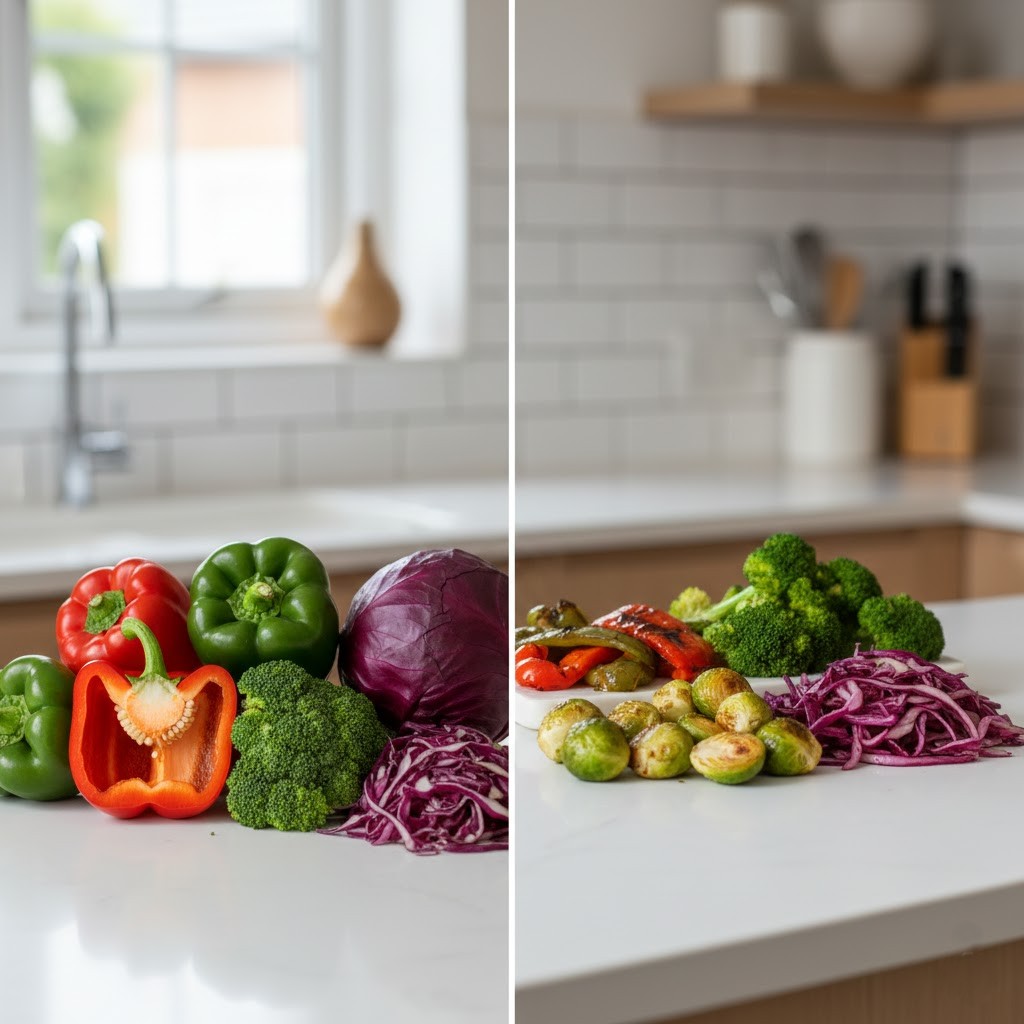
Vegetables often contain even more vitamin C than fruits, especially when eaten raw or lightly cooked. They also add volume and nutrients without many calories.
Bell peppers: red vs. green
Bell peppers are among the top vitamin C vegetables. ½ cup of raw red bell pepper provides about 95 mg, while green bell peppers offer closer to 60 mg. Red peppers are higher because they’re fully ripened. Adding sliced peppers to salads or wraps is an easy way to boost intake.
Broccoli, Brussels sprouts, and cabbage
Cruciferous vegetables are reliable vitamin C sources. ½ cup of steamed broccoli provides about 50 mg, while Brussels sprouts offer roughly 48 mg per ½ cup cooked. Red cabbage contains about 40 mg per cup raw and is easy to add to slaws or tacos. Light steaming preserves more vitamin C than boiling.
How to Add More Vitamin C Foods to Your Diet
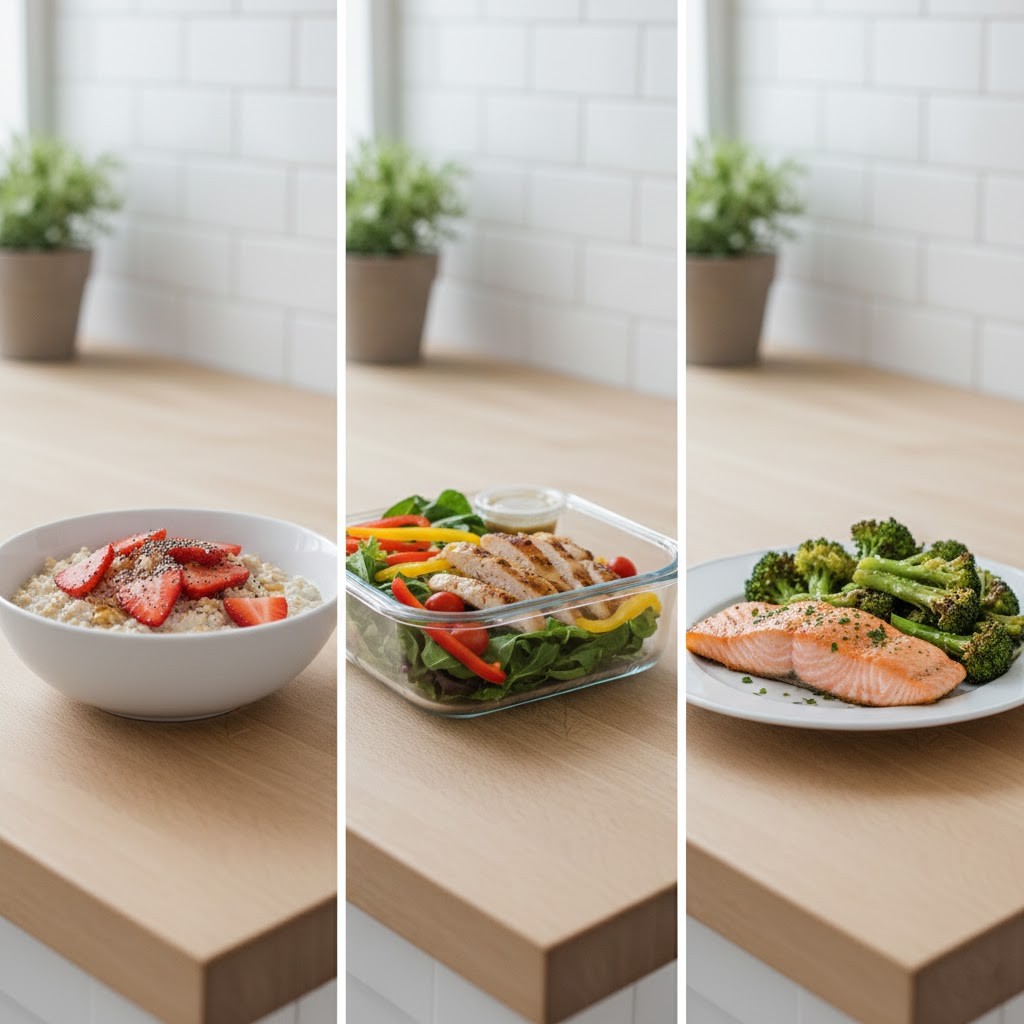
Knowing which foods are high in vitamin C is useful, but consistency matters most. Small, repeatable habits help ensure daily intake without tracking numbers.
Easy meal and snack ideas
Simple combinations work well. Add strawberries to oatmeal, bell peppers to scrambled eggs, or broccoli to pasta. A snack of 1 cup sliced kiwi and strawberries can deliver over 150 mg of vitamin C. Smoothies are another option—blend frozen fruit with milk or yogurt for convenience.
Budget-friendly grocery staples
Vitamin C–rich foods don’t have to be expensive. Cabbage, oranges, and frozen vegetables are among the most affordable produce items in US grocery stores. Buying seasonal fruit or store-brand frozen vegetables can significantly reduce cost while still delivering nutrients.
How Cooking and Storage Affect Vitamin C
Vitamin C is sensitive to heat, air, and water, so how you prepare food affects how much remains.
Best cooking methods to preserve vitamin C
Steaming, microwaving, and stir-frying retain more vitamin C than boiling. For example, steamed broccoli keeps up to 80–90% of its vitamin C, while boiling may cut that nearly in half. Cooking vegetables for shorter times at lower temperatures helps preserve nutrients.
Storage tips to reduce nutrient loss
Fresh produce slowly loses vitamin C during storage. Keep fruits and vegetables refrigerated and use them within 3–5 days when possible. Cutting produce ahead of time increases exposure to air, so prep close to mealtime when you can.
Quick tips & swaps
- Choose red bell peppers instead of green for higher vitamin C
- Use frozen fruit when fresh is expensive or unavailable
- Steam vegetables instead of boiling
- Eat fruits raw to avoid heat-related losses
- Store produce in airtight containers
- Add citrus zest to meals for extra vitamin C
Frequently Asked Questions
- Is it better to get vitamin C from food or supplements?
Food is usually the better choice. Vitamin C–rich foods provide fiber, antioxidants, and plant compounds that supplements lack. Most US adults can meet needs through fruits and vegetables alone. Supplements may help in limited cases but aren’t necessary for most people. - Can you get too much vitamin C from food?
It’s very unlikely. Excess vitamin C from food is typically excreted in urine. High-dose supplements (over 2,000 mg per day) may cause digestive discomfort, but eating fruits and vegetables won’t reach that level. - Do cooked vegetables still have vitamin C?
Yes, though some is lost. Lightly cooked vegetables like steamed broccoli or sautéed peppers still provide meaningful vitamin C. Cooking methods matter more than avoiding cooked vegetables altogether. - Are frozen fruits and vegetables still good sources?
Yes. Frozen produce is usually picked at peak ripeness and retains most vitamin C. For example, frozen strawberries contain nearly the same vitamin C as fresh, making them a reliable and affordable option. - How can picky eaters get more vitamin C?
Smoothies, sauces, and finely chopped vegetables help. Blending strawberries into yogurt or adding pureed peppers into soups can increase vitamin C without changing texture much.
Vitamin C–rich foods are easy to find, affordable, and simple to add to everyday meals. By choosing a mix of fruits and vegetables, most Americans can meet daily needs naturally without supplements.
Disclaimer: This content is for informational purposes only and is not a substitute for professional medical advice.

About Sarah Williams
We turn solid evidence into everyday habits Americans can actually do—plain English, cups/oz, grocery-aisle swaps, and routines that fit real life. Our editorial process: Experience—we road-test tips in real schedules…