How to Get 100 Grams of Protein a Day
Getting enough protein doesn’t require complicated math or extreme diets. For many Americans, 100 grams of protein per day is...
Getting enough protein doesn’t require complicated math or extreme diets. For many Americans, 100 grams of protein per day is a practical, achievable target that supports muscle maintenance, fullness, and steady energy. The key is understanding what protein portions actually look like and spreading them across meals you already enjoy. Using familiar grocery-store foods and simple cooking methods, you can hit 100 grams without relying on shakes at every meal or spending hours in the kitchen.
What 100g of Protein Looks Like in a Day
Before planning meals, it helps to visualize how protein adds up across breakfast, lunch, and dinner. Think of 100 grams as a daily total—not something you need to cram into one sitting.
👉 Want to go further? Our complete breakdown of Protein-Rich Foods to Power a Healthy Diet walks you through getting enough protein step by step.
Is 100g right for you?
For many adults, 100 grams of protein fits well within general nutrition guidelines. For example, a 165-lb (75-kg) person eating 0.6 g per lb of body weight would land near this number. Active adults, people lifting weights, or those aiming to preserve muscle while losing weight often find 90–120 grams practical. If you eat three meals, that’s roughly 30–35 grams per meal, which is very doable with whole foods.
👉 Want to go further? Our complete breakdown of Nutrient-Rich Nuts & Seeds: Top Health Benefits walks you through topics related to benefits step by step.
Grams vs ounces (and cooked vs raw)
In the U.S., protein foods are usually sold by weight in ounces or pounds. Four ounces of cooked chicken breast (about the size of your palm) provides roughly 26–28 grams of protein. Raw meat weighs more due to water loss during cooking, so 6 oz raw chicken may become 4–4.5 oz cooked. Understanding this prevents underestimating portions when planning meals.
👉 This pairs well with our 15 Easy Anti-Inflammatory Meals for Weeknights guide if you want the full picture on topics related to inflammatory.
Best High-Protein Breakfast Options
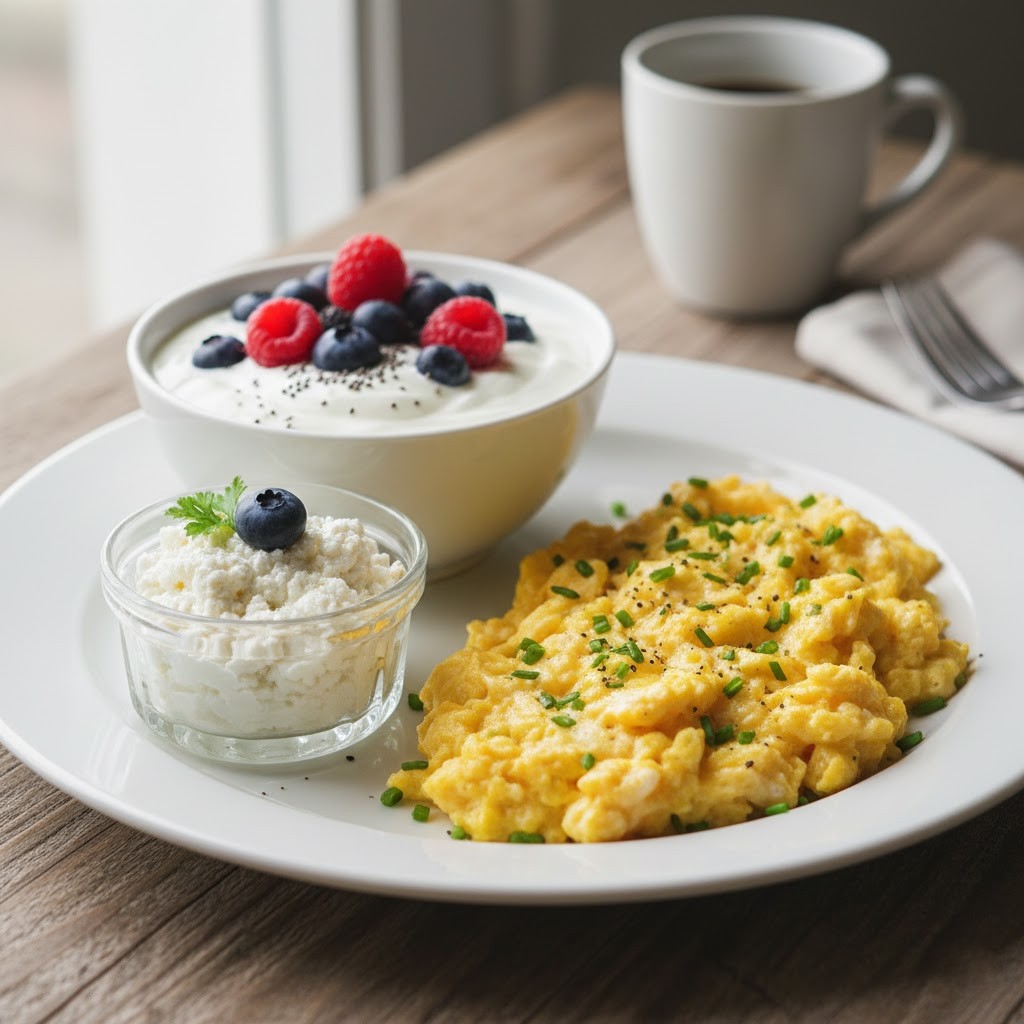
Breakfast sets the tone for the day. Starting with protein makes it much easier to reach 100 grams by dinner.
Eggs + yogurt combinations
Two large eggs contain about 12 grams of protein. On their own, that’s not enough—but pairing matters. Add ¾ cup plain Greek yogurt (about 17 grams of protein) and you’re already near 30 grams. For example, scrambled eggs with toast plus a bowl of yogurt and berries gives a balanced breakfast that keeps you full until lunch.
Cottage cheese and Greek yogurt swaps
If you don’t love eggs, cottage cheese is a strong alternative. One cup of low-fat cottage cheese provides 24–26 grams of protein. Combine it with fruit or whole-grain toast for a quick meal. Greek yogurt works similarly: a 7-oz single-serve container usually has 15–18 grams, making it easy to stack protein without cooking.
Plant-based breakfast proteins
Plant-based eaters can still hit strong numbers. A ½-cup serving of firm tofu offers 10 grams of protein, while soy yogurt can reach 8–10 grams per cup. Pair tofu with beans or whole grains, and breakfast can still land around 25–30 grams.
High-Protein Lunch Ideas That Add Up Fast
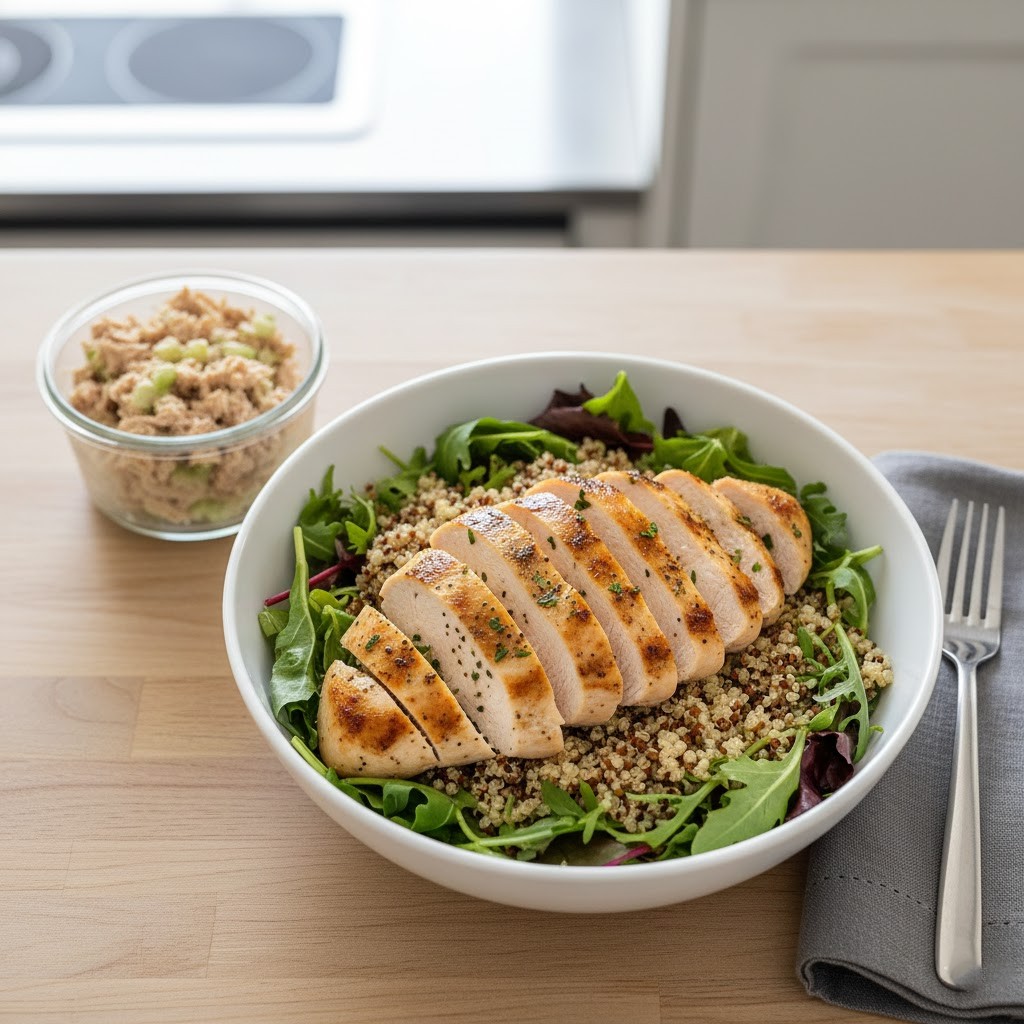
Lunch is often where protein intake slips, especially with grab-and-go meals. A little planning makes a big difference.
Chicken breast bowls and salads
Chicken breast is one of the most efficient protein sources. A 5-oz cooked portion delivers about 35 grams of protein. Add it to a salad, rice bowl, or wrap. For example, a chicken quinoa bowl with veggies can easily reach 40 grams, covering nearly half your daily goal in one meal.
Tuna and salmon shortcuts
Canned tuna is convenient and budget-friendly. One 5-oz can provides 30–32 grams of protein. Salmon offers slightly less protein—around 22 grams per 4 oz—but adds healthy fats. Mixing canned fish with mayo or Greek yogurt and serving it on whole-grain bread makes lunch both fast and filling.
Deli meats and convenience options
Deli meats can work if chosen carefully. Three ounces of turkey breast deli meat contains about 15–18 grams of protein, depending on brand. Look for lower-sodium options and pair with cheese or yogurt on the side to reach a solid 30-gram lunch.
Protein-Packed Dinners (Simple Portions)
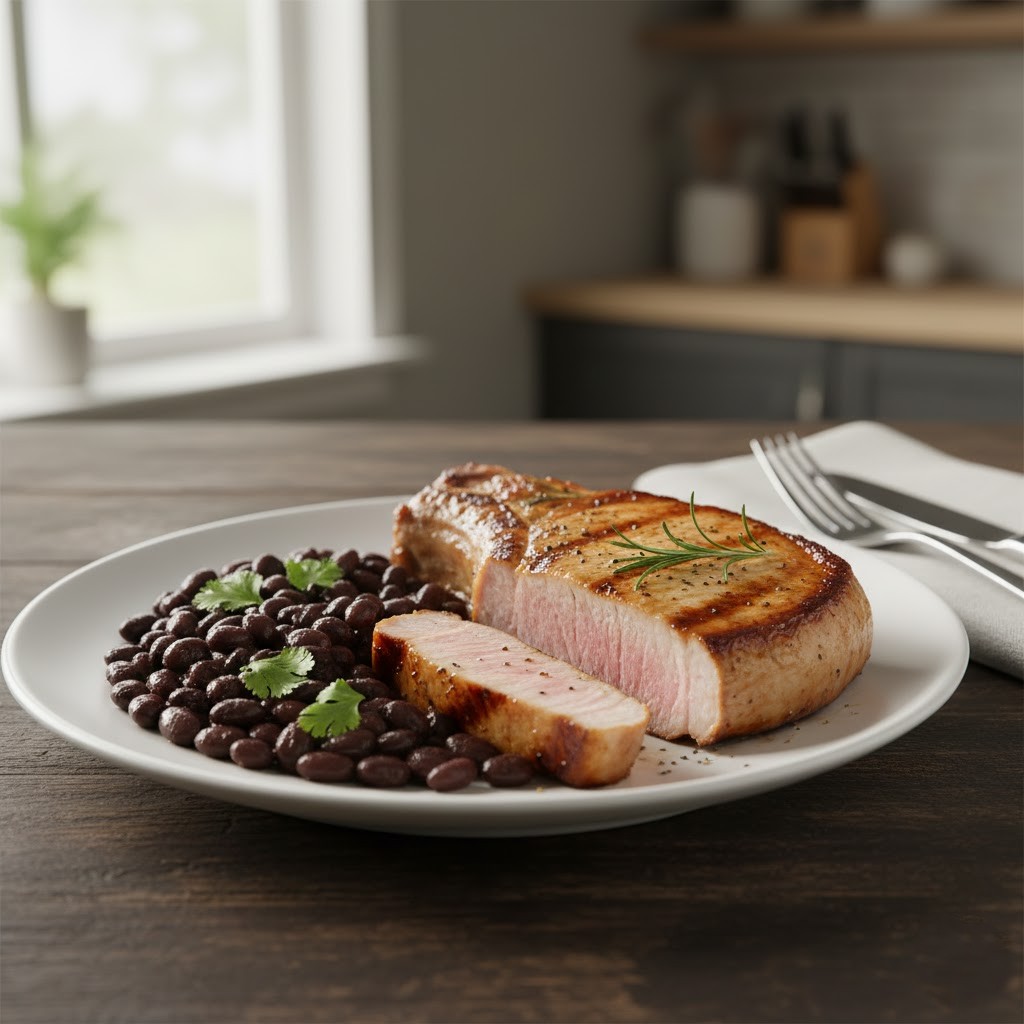
Dinner is where many people naturally eat the largest protein portion, making it the easiest place to close the gap to 100 grams.
Turkey, pork, and steak portions
A 6-oz cooked turkey breast provides roughly 40 grams of protein. Pork chops offer similar numbers, with 7 oz cooked pork delivering about 35–38 grams. Beef steak varies by cut, but a 10-oz cooked steak can supply 60+ grams, making it ideal if earlier meals were lighter.
Easy cooking methods
You don’t need elaborate recipes. Baking chicken at 400°F, pan-searing steak, or air-frying pork chops all preserve protein while keeping prep simple. Season with salt, pepper, and basic spices. Consistency matters more than culinary perfection.
Protein-boosting sides
While veggies and grains aren’t protein powerhouses, they help. A cup of cooked lentils adds 18 grams of protein, and a cup of black beans adds 15 grams. Adding these to dinner helps push totals higher without increasing meat portions.
Sample Meal Plans to Hit 100g Protein
Putting it all together makes the goal feel realistic rather than theoretical.
Omnivore day (3 meals)
- Breakfast: 2 eggs (12 g) + Greek yogurt (18 g) = 30 g
- Lunch: 5 oz chicken breast (35 g)
- Dinner: 5 oz salmon (28 g)
Total: ~93 g, plus small snacks easily push it over 100.
Mostly plant-based day
- Breakfast: Soy yogurt + tofu scramble (25 g)
- Lunch: Lentil bowl (30 g)
- Dinner: Tofu and bean stir-fry (40 g)
Total: ~95 g, achievable with careful combinations.
Busy day (minimal cooking)
- Breakfast: Protein yogurt (20 g)
- Lunch: Canned tuna sandwich (30 g)
- Dinner: Rotisserie chicken (40 g)
Total: ~90 g, with room for a high-protein snack.
Simple Steps to Reach 100g Protein Daily
- Pick one main protein for each meal (eggs, chicken, fish, or tofu).
- Aim for 25–40 grams at breakfast, lunch, and dinner.
- Use cooked weights when estimating portions.
- Add a high-protein dairy or legume to lighter meals.
- Keep canned or frozen proteins on hand.
- Fill small gaps with snacks like yogurt or jerky.
Tips & Easy Swaps
- Swap regular yogurt for Greek yogurt to double protein.
- Choose chicken breast over thighs for higher protein per ounce.
- Add beans to rice dishes for an extra 10–15 grams.
- Keep canned tuna for fast lunches.
- Use cottage cheese as a savory side.
- Rotate proteins to avoid boredom.
Frequently Asked Questions
- Is 100 grams of protein too much?
For most healthy adults, 100 grams is safe and well within normal intake ranges. It’s commonly achieved with whole foods. If you have kidney disease or specific medical conditions, individual needs may differ. - Do I need protein shakes to reach 100g?
No. Shakes are optional. Whole foods like eggs, meat, dairy, beans, and fish make it easy to reach 100 grams without supplements. - Can women benefit from 100g of protein?
Yes. Many women find that 90–100 grams supports muscle tone and fullness, especially when strength training or dieting. - Does cooking destroy protein?
Cooking does not significantly reduce protein content. It mainly changes water weight, which affects portion size, not protein quality.
Focus on one meal at a time. Build a high-protein breakfast, choose a solid lunch protein, and let dinner fill the gap. Within a few days, hitting 100 grams of protein a day will feel automatic—not overwhelming.
Disclaimer: This content is for informational purposes only and is not a substitute for professional medical advice.

About Mike Johnson
We turn solid evidence into everyday habits Americans can actually do—plain English, cups/oz, grocery-aisle swaps, and routines that fit real life. Our editorial process: Experience—we road-test tips in real schedules…