Egg Whites vs Egg Yolks: What You Should Really Know
Understanding the difference between egg whites and egg yolks is one of the simplest ways to improve everyday nutrition choices....
Understanding the difference between egg whites and egg yolks is one of the simplest ways to improve everyday nutrition choices. While many Americans reach for egg whites to reduce calories or cholesterol, the yolk holds most of the egg’s vitamins, minerals, and flavor. This article looks closely at egg yolk nutrition and how whole eggs can fit into a balanced diet. You’ll find clear comparisons, practical cooking tips, and simple ways to enjoy eggs without overthinking them.
Egg Whites vs Egg Yolks: The Real Nutrition Breakdown
Before deciding which part of the egg to prioritize, it helps to understand what each truly offers. Many US shoppers are surprised to learn that yolks contain more nutrients than whites, even though whites are often marketed as the “healthier” choice. Starting with a side-by-side comparison gives you a clearer picture of what you’re actually eating.
👉 Want to go further? Our complete breakdown of Easy Keto Avocado Smash Breakfast With Poached Egg walks you through topics related to breakfast step by step.
Protein differences and why they matter for everyday eating

Egg whites are known for being a lean source of protein, providing around 11 grams per 3–4 large whites, with almost no fat. Yolks, however, contain about 16 grams of protein per equivalent serving, showing that they contribute more than many people assume. While whites offer a quick, low-calorie protein source—useful for smoothies or omelets—the yolk’s protein is paired with nutrients that support muscle repair, energy, and hormone balance. For example, the yolk contains essential amino acids plus fats that improve absorption, which may help keep you fuller longer compared to whites alone.
👉 If you’re also working on topics related to everyday, our detailed guide on Vitamin K Foods: Best Sources for Everyday Health covers exactly what you need.
Vitamins and minerals you only get from the yolk
If you skip yolks, you miss nearly all of the egg’s micronutrients. Yolks provide vitamin D (over 50%), vitamin A, B vitamins, and crucial minerals like selenium and choline. Vitamin D is particularly important in the US, where many adults don’t get enough sunlight. Choline—a nutrient that supports brain health—is found in much higher amounts in yolks than whites. These micronutrients play roles in immune function, metabolism, and eye health. In contrast, egg whites contain almost no vitamins or minerals, making them a good protein addition but not a substitute for whole-egg nutrition.
👉 If you’re also working on getting all your essential vitamins, our detailed guide on Essential Vitamins and the Best Foods to Get Them covers exactly what you need.
Should You Eat the Whole Egg?
Now that the nutrient differences are clear, the next question becomes: what does this mean for your diet? Many Americans avoid yolks because of concerns about cholesterol, but research paints a more nuanced picture. Understanding the balance can help you enjoy eggs without unnecessary restriction.
Clearing up common myths about cholesterol and heart health
Egg yolks do contain cholesterol, but for most people, dietary cholesterol has a smaller impact on blood cholesterol levels than previously believed. For example, if you eat one to two eggs per day, research shows it generally doesn’t increase heart disease risk in healthy adults. Factors like genetics, activity level, and overall diet (especially saturated fat intake) play larger roles. Instead of eliminating yolks, a more effective approach is balancing them within an overall heart-smart pattern—such as pairing eggs with veggies and whole grains rather than processed meats.
Practical ways to include whole eggs in a balanced US diet

Including whole eggs can be simple and satisfying when portioned correctly. A breakfast of two whole eggs scrambled in a nonstick pan with spinach provides protein, vitamin D, and antioxidants. You can also combine one whole egg with extra whites for a lighter but still nutrient-dense meal. Adding veggies like bell peppers or mushrooms increases fiber while keeping calories reasonable. Buying a carton of a dozen large eggs at any US grocery store offers an inexpensive source of nutrition that fits into busy schedules.
What Makes Egg Yolks Nutrient-Dense?
To understand egg yolk nutrition more fully, it helps to look at what makes yolks stand out. Their nutrient concentration comes from providing the resources required for a chick to grow—making them naturally rich in vitamins and minerals.
Essential nutrients in yolks that support energy and immunity
Egg yolks contain vitamins A, D, E, and K, along with B12, folate, and iron. Vitamin A supports vision and skin, vitamin D aids bone health, and B12 contributes to energy metabolism. For example, one large yolk contains about 25–30% of your daily value of choline, which supports memory and nervous system function. These nutrients are far less available in the whites, which primarily contain protein and little else. This nutrient density makes yolks particularly useful for people with higher nutritional needs, such as active adults or individuals eating lower-calorie diets.
Why fat in yolks helps your body absorb key vitamins
The healthy fats in yolks help your body absorb fat-soluble vitamins (A, D, E, and K). Without dietary fat, absorption drops significantly. For example, scrambling eggs in 1 tsp of olive oil helps support better vitamin uptake than eating plain boiled egg whites. These fats also give yolks their rich texture and flavor, making meals more satisfying. While some people worry about fat intake, the amount in one yolk—around 4.5 grams—can fit well into typical US dietary guidelines when paired with balanced meals.
How to Choose, Store, and Cook Eggs for Best Nutrition
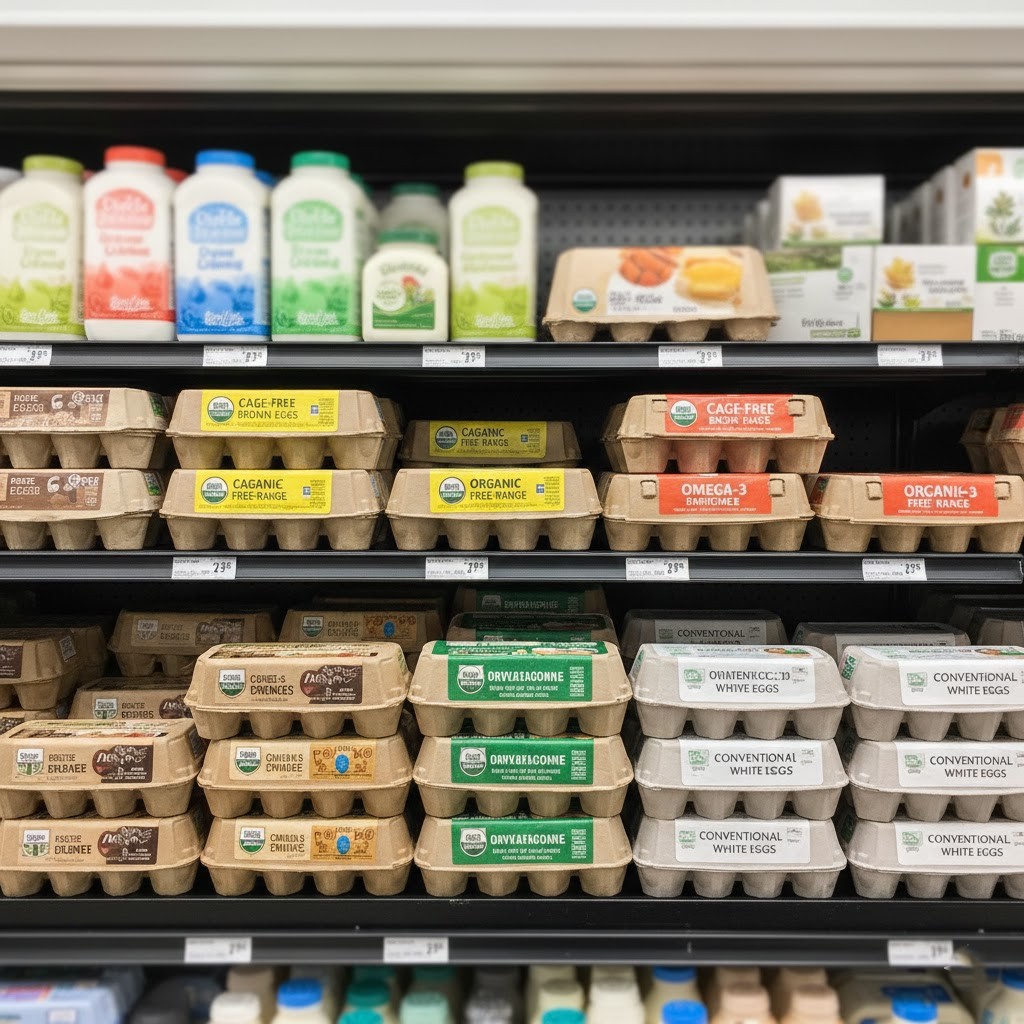
Once you’re ready to add more balanced egg nutrition to your routine, knowing how to shop, store, and cook eggs helps preserve their quality. US grocery stores offer several types of eggs, and cooking style affects nutrients more than people think.
Choosing quality eggs at US grocery stores
Most US supermarkets offer conventional, cage-free, organic, and omega-3 eggs. If you’re looking for the highest omega-3 content, pasture-raised or omega-3-enriched eggs are your best options. The color of the shell—white vs brown—doesn’t impact nutrition. Always check the sell-by date and look for clean, uncracked shells. When possible, buy from refrigerated sections to ensure freshness, since eggs stay safest when stored at 40°F or below.
Cooking methods that preserve yolk nutrients
Nutrient loss can occur with high-heat methods, so gentler cooking helps preserve vitamins. Soft-boiled, poached, or sunny-side-up eggs retain more vitamin D compared to hard-boiled eggs cooked at very high heat. For example, poaching an egg in simmering water for 3–4 minutes keeps the yolk intact and nutrient-rich. Scrambling on medium heat is also a solid option, especially when cooked with vegetables. Avoid burning or overcooking, which may reduce nutrient levels and flavor.
Simple Ways to Add More Balanced Egg Nutrition to Your Routine
Adding whole eggs to your meals doesn’t have to be complicated. The key is combining whites and yolks in ways that support both nutrition and your personal goals.
Easy meal ideas using whole eggs
A breakfast sandwich made with one whole egg plus one egg white offers protein and nutrients with fewer calories. A veggie omelet with two whole eggs provides vitamin D and antioxidants. You can also prepare a batch of hard-boiled eggs on Sunday and store them for quick weekday snacks. A single egg provides steady energy, making it useful for pre-workout or mid-morning hunger.
Smart swaps if you prefer lower-calorie options
If you want to keep calories lower, using one whole egg plus two to three whites balances nutrients and protein. Another option is replacing half the yolks in egg salad with extra whites and Greek yogurt, making a lighter but flavorful spread. For baking, whole eggs typically work best for texture, but for recipes like pancakes or muffins, using egg whites can slightly reduce calories without affecting structure too much.
Tips & Swaps (Quick Reference)
- Mix whole eggs with whites for fewer calories but full nutrition.
- Choose omega-3 eggs for more heart-friendly fats.
- Poach or soft-boil to preserve vitamin D.
- Add veggies for fiber and volume without extra calories.
- Refrigerate eggs at 40°F to keep them fresh longer.
- Avoid overcooking to maintain flavor and nutrients.
FAQs
- Are egg yolks bad for cholesterol?
Egg yolks contain cholesterol, but for most healthy adults, eating one to two eggs per day doesn’t significantly affect heart disease risk. Dietary cholesterol has a smaller impact on blood levels than once thought. Total diet quality matters more, especially saturated fat intake from other sources. - Do egg whites have any vitamins?
Egg whites contain minimal vitamins compared to yolks. They do offer protein, but nearly all the vitamin D, vitamin A, choline, and omega-3s are found in the yolk. If you rely only on whites, you may miss out on important nutrients unless you replace them elsewhere in your diet. - How many eggs can I eat per week?
Most people can safely enjoy 7–14 eggs per week, depending on their overall diet and health needs. Those with specific medical conditions may need personalized guidance from a healthcare professional, but moderate egg intake is generally considered safe. - Are brown eggs healthier than white eggs?
No—shell color simply reflects the breed of the hen. Brown and white eggs offer the same nutrients. What matters more is how the hens were raised and whether the eggs are enriched with omega-3s. - What’s the best way to cook eggs for nutrition?
Gentle cooking like poaching, frying on medium heat, or soft-boiling helps preserve nutrients, especially vitamin D. High heat or overcooking can lead to some nutrient loss and affect flavor.
Want more simple, science-backed nutrition tips? Explore more articles on EssentialWellnessAZ and learn how everyday foods can support your health in realistic, enjoyable ways.
Disclaimer: This content is for informational purposes only and is not a substitute for professional medical advice.

About Sarah Williams
We turn solid evidence into everyday habits Americans can actually do—plain English, cups/oz, grocery-aisle swaps, and routines that fit real life. Our editorial process: Experience—we road-test tips in real schedules…