16:8 Intermittent Fasting Guide for Beginners
Intermittent fasting has become a popular approach for people seeking a structured, sustainable eating pattern that fits into a busy...
Intermittent fasting has become a popular approach for people seeking a structured, sustainable eating pattern that fits into a busy American lifestyle. The 16:8 method—fasting for 16 hours and eating within an 8-hour window—offers a simple framework that doesn’t rely on strict calorie counting. Instead, it gives you predictable structure, making meal planning less stressful. This beginner-friendly guide breaks down how the 16:8 schedule works, what to expect when starting, and how to build a realistic daily routine that supports your goals.
What the 16:8 Intermittent Fasting Method Involves
Before you adopt a fasting routine, it helps to understand how the timing works and what realistic benefits you may experience. The 16:8 method is popular because it pairs well with typical US work hours, school routines, and family schedules.
👉 For a deeper dive into topics related to benefits, check out: Nutrient-Rich Nuts & Seeds: Top Health Benefits — it’s packed with practical tips.
How the 16-hour fast and 8-hour eating window work
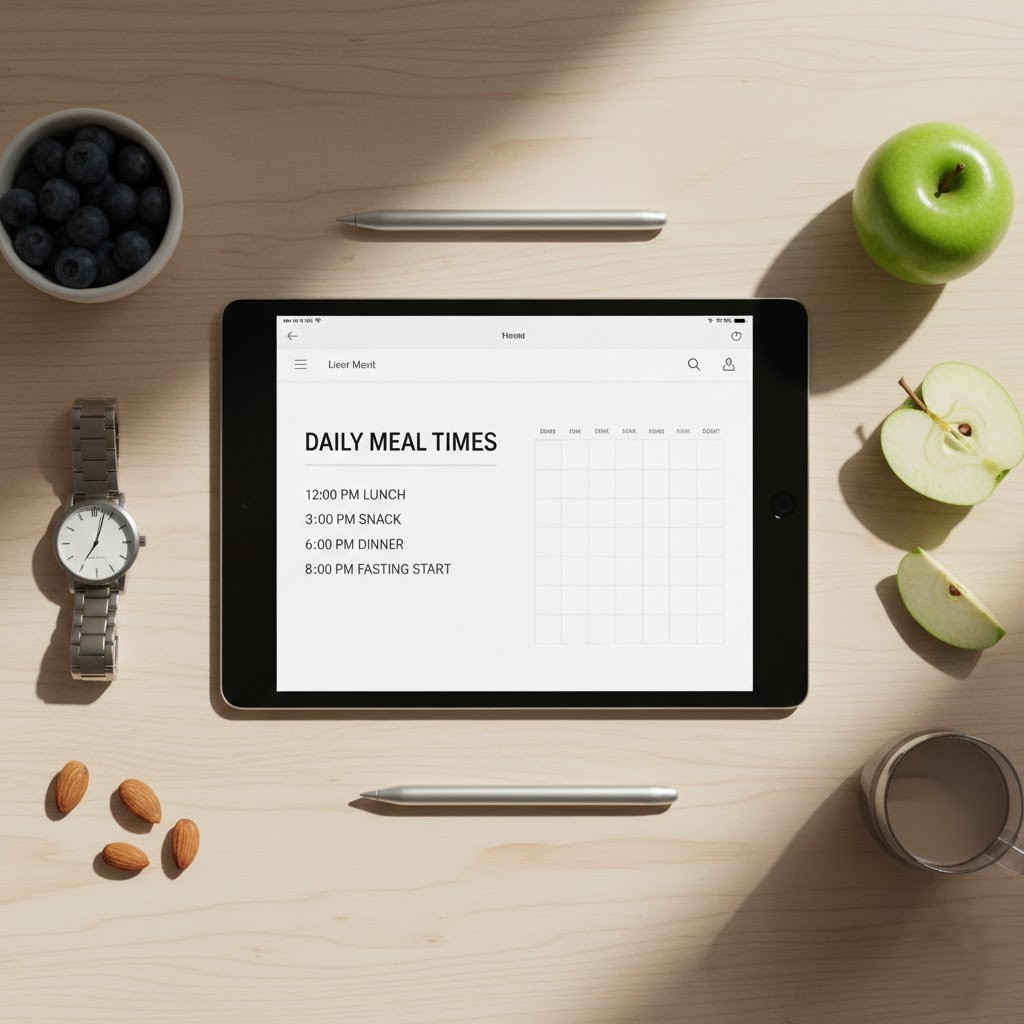
In a 16:8 routine, you refrain from caloric intake for 16 consecutive hours and consume all meals within the remaining 8 hours. Many beginners choose a window such as 12 PM–8 PM because it aligns with lunch breaks and family dinners. During the fasting window, non-calorie beverages—like black coffee, plain tea, and water—are allowed. For example, having coffee at 10 AM without cream or sugar still keeps you in a fasted state. The consistency of the timing matters more than perfection, so even if you shift the window by 30 minutes on busy days, you can maintain the overall rhythm.
👉 For a deeper dive into topics related to inflammatory, check out: 15 Easy Anti-Inflammatory Meals for Weeknights — it’s packed with practical tips.
Common benefits and what US beginners should expect
Many Americans try the 16:8 method because it’s simple, doesn’t require expensive specialty foods, and fits typical grocery habits like batch-prepping proteins or ready-to-eat produce. Some people report steadier energy and reduced evening snacking after two to three weeks. Others appreciate that a structured eating window naturally reduces mindless grazing—especially during long workdays. It’s also common to experience hunger during the first 7–10 days; drinking water or herbal tea often helps. While some individuals notice modest changes in appetite regulation, results vary, and the goal should be sustainable habits, not rapid transformation.
👉 If you’re also working on topics related to benefits, our detailed guide on Benefits Of Drinking Gallon Water Daily covers exactly what you need.
A Simple 16:8 Daily Routine for Busy Americans
Once you understand the structure, the next step is building a daily routine that feels practical. Many people find success by planning hydration, caffeine, meals, and snacks around their chosen eating window.
Morning hydration, coffee, and energy support

Hydration is especially important during the fasting period. Starting your day with 8–12 oz of water can help reduce morning grogginess and support digestion. Many beginners enjoy lemon water at 8 AM since the flavor encourages consistent drinking. Coffee or tea around 10 AM provides a gentle energy boost while keeping you in a fasted state—as long as you stick to unsweetened options. If caffeine on an empty stomach feels harsh, consider easing in with half a cup. For example, pairing water first thing, then coffee an hour later, works well for many people who start their day early.
How to plan balanced meals and snacks within the eating window
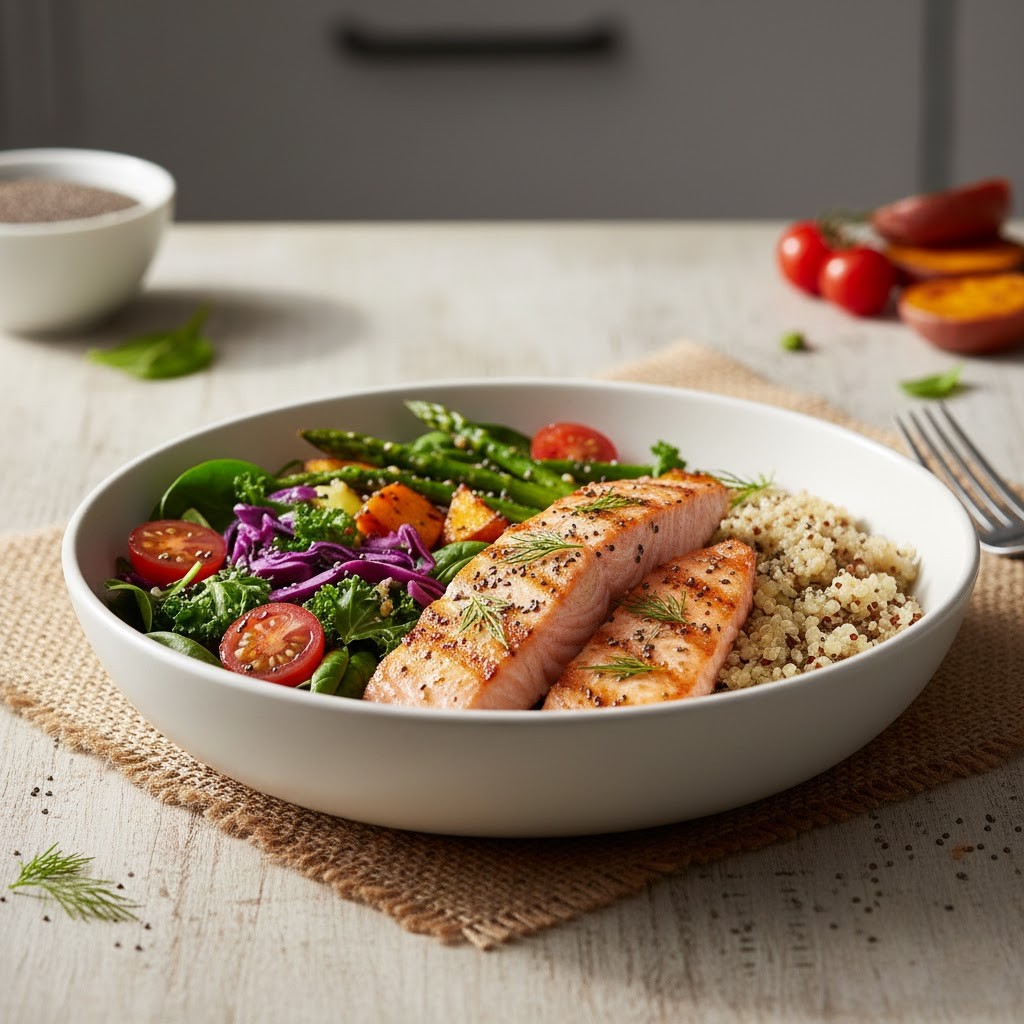
During your 8-hour eating window, focusing on balanced meals can help maintain steady energy. Lunch at noon is typically the first meal; good options include salads with chicken, whole grains, or beans for fiber. A mid-afternoon snack around 3 PM—such as fruit, nuts, or a small whole-grain wrap—prevents overeating at dinner. Dinner at 6 PM often includes a lean protein like grilled chicken or salmon, plus vegetables and a starch such as rice or potatoes. If you need a light snack at 7 PM, choose something under 200 calories. For example, an apple with a tbsp of peanut butter offers a satisfying balance of carbs and healthy fats without feeling too heavy before fasting begins at 8 PM.
Steps to Start Your 16:8 Routine
- Choose an eating window that fits your schedule, such as 12 PM–8 PM or 10 AM–6 PM.
- Drink water first thing in the morning to make the fasting hours feel easier.
- Keep coffee or tea unsweetened during the fast.
- Plan balanced meals ahead of time to avoid overeating later.
- Add a nutrient-dense snack between meals if you feel low on energy.
- Stop eating at the same time daily to maintain consistency.
- Adjust meal timing by 15–30 minutes when needed without stressing.
- Track how you feel for 1–2 weeks to refine your approach.
Tips & Swaps
- Swap soda for infused water during the fast for flavor without calories.
- Choose rotisserie chicken for easy protein when short on time.
- Keep pre-cut veggies on hand to simplify balanced lunches.
- Pick snacks with at least 3 g fiber to stay fuller longer.
- Use frozen produce to save money and reduce prep time.
FAQs
- How long does it take to adjust to 16:8 intermittent fasting?
Most people take about 1–2 weeks to adjust. Hunger during mornings is common at first, but hydration and staying busy typically help. Once your body adapts, many find the routine easier and more predictable than expected. - Can I exercise during the fasting window?
Yes, light to moderate exercise is generally fine, and some people enjoy morning workouts. However, if you feel dizzy or fatigued, shift activity closer to your eating window. Listen to your body and adjust intensity as needed. - What if I get very hungry before my eating window starts?
Try drinking 8–12 oz of water or herbal tea. If hunger persists daily, you might adjust your window earlier by 30–60 minutes. The goal is a sustainable pattern, not strict discomfort. - Can I lose weight with the 16:8 method?
Some individuals experience modest weight changes because the structure naturally reduces grazing. Results vary widely, and weight loss isn’t guaranteed. The method works best when paired with balanced meals and mindful portions. - Is 16:8 safe for everyone?
It may not be appropriate for people who are pregnant, nursing, have a history of eating disorders, or certain medical conditions. Always check with a healthcare provider before starting fasting routines.
If you’re ready to try 16:8 intermittent fasting, start with small, consistent steps and track how your body responds. A little structure can make your wellness routine feel smoother and more manageable.
Disclaimer: This content is for informational purposes only and is not a substitute for professional medical advice.

About Sarah Williams
We turn solid evidence into everyday habits Americans can actually do—plain English, cups/oz, grocery-aisle swaps, and routines that fit real life. Our editorial process: Experience—we road-test tips in real schedules…