Magnesium-Rich Foods to Support Your Daily Wellness
Magnesium plays a behind-the-scenes role in hundreds of processes that help your body function smoothly every day. From supporting muscle...
Magnesium plays a behind-the-scenes role in hundreds of processes that help your body function smoothly every day. From supporting muscle function to helping regulate energy, it’s a nutrient many people don’t realize they’re missing. The good news? You can boost your intake easily with everyday foods found in any US grocery store. This guide walks you through the best magnesium-rich foods, how to use them, and simple ways to weave them into your routine so you can feel more balanced and energized.
Why Magnesium Matters for Everyday Health
Before you fill your grocery cart with magnesium-rich foods, it helps to understand why this mineral is so important. This section sets the stage for how these foods support your wellness.
👉 If you’re also working on topics related to everyday, our detailed guide on Vitamin K Foods: Best Sources for Everyday Health covers exactly what you need.
Key roles magnesium plays in the body
Magnesium helps power more than 300 biochemical reactions, making it one of the most multitasking nutrients you can get from food. It assists in muscle contractions, supports healthy nerve signaling, and plays a steady role in managing energy levels throughout the day. For example, research shows magnesium is needed to convert the carbohydrates, fats, and proteins you eat into usable energy. It also supports steady heartbeat rhythms. While magnesium doesn’t promise dramatic results, getting enough helps your body operate efficiently—like keeping a car engine well-tuned.
👉 If you’re also working on topics related to magnesium, our detailed guide on 9 Magnesium-Rich Foods to Add This Week covers exactly what you need.
How much magnesium most adults need in a day
The recommended magnesium intake varies slightly by age and gender. Most adult women need around 310–320 mg per day, while men generally need 400–420 mg. Despite these modest numbers, many Americans fall short due to processed-food-heavy diets. For instance, swapping just one snack—like replacing a 1-oz bag of chips with 1 oz of almonds—can add about 80 mg of magnesium to your day. Meeting your needs mostly through whole foods can make a noticeable difference in how steady and energized you feel.
👉 For a deeper dive into getting enough protein, check out: How to Get 100 Grams of Protein a Day — it’s packed with practical tips.
Top Magnesium-Rich Foods to Add to Your Diet
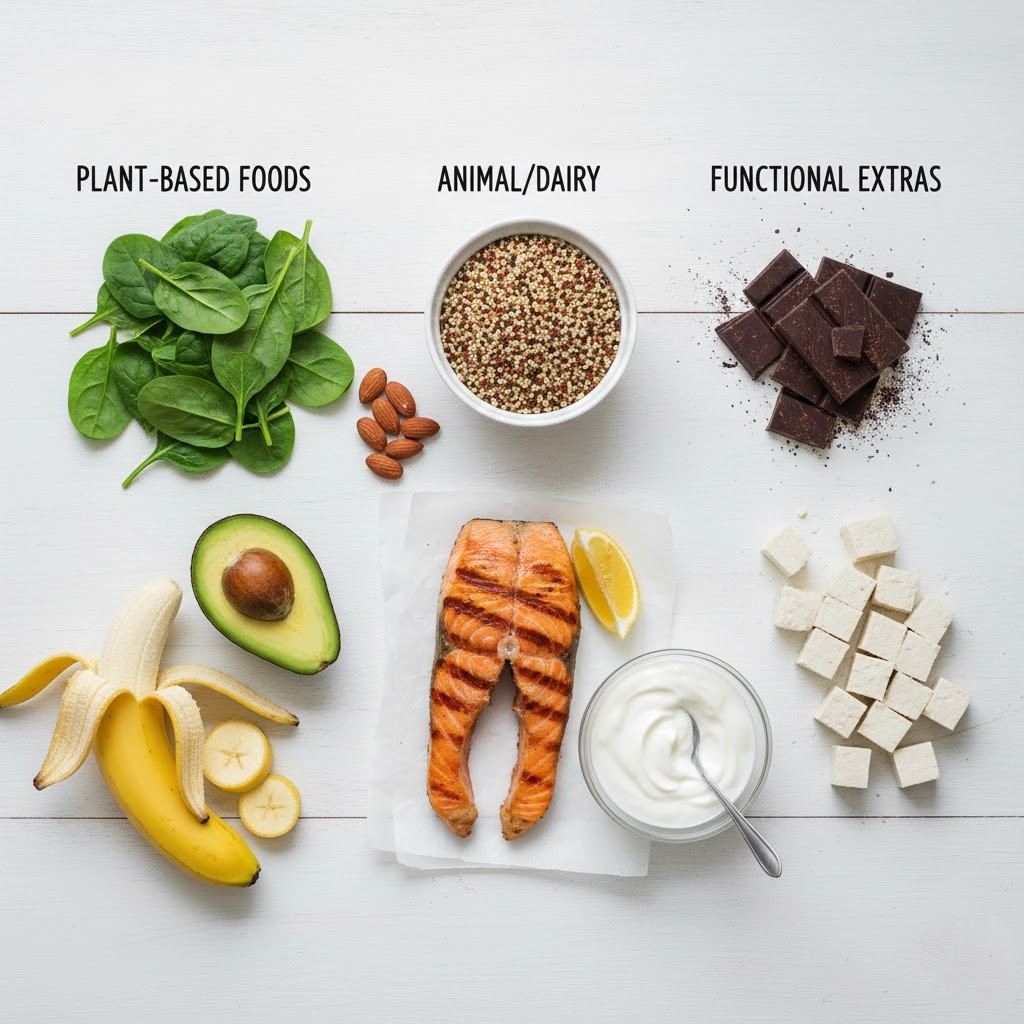
Now that you know why magnesium matters, here are some foods that make it easy to hit your daily goals.
Plant-based sources (spinach, almonds, quinoa, avocado, banana)
Leafy greens like spinach are some of the richest natural sources, with 1 cup cooked providing around 150 mg of magnesium. Almonds deliver about 80 mg per ounce, making them one of the most convenient snacks for boosting intake. Quinoa is another powerhouse, offering about 120 mg per cooked cup, while also being gluten-free and easy to meal prep. Avocados and bananas round out the list with smaller but meaningful amounts. Together, these foods create a foundation for magnesium-rich meals without needing supplements.
Animal and dairy sources (salmon, yogurt)
If you prefer animal-based options, salmon is a nutritious pick that supplies about 25–30 mg of magnesium per 3–4 oz serving, along with omega-3s. Yogurt offers around 30–45 mg per cup, depending on the type, and is also easy to pair with fruit or nuts for a balanced snack. These foods fit naturally into breakfast, lunch, or dinner while contributing a steady magnesium boost. They also tend to be widely available and affordable in most US grocery stores.
Functional extras (dark chocolate, tofu)
Dark chocolate with at least 70% cocoa can contribute 60–70 mg of magnesium per ounce, making it a smart after-dinner treat. Tofu is another versatile food delivering roughly 35 mg per 3-oz serving, depending on the brand. These options are ideal for people who want variety beyond traditional whole foods. Tofu absorbs flavors effortlessly, while dark chocolate brings a nutrient bump to desserts or snacks. Adding even small amounts of these functional extras helps diversify your magnesium intake.
Simple Ways to Eat More Magnesium

Understanding which foods contain magnesium is one thing; weaving them into your everyday meals is where the real benefits show up.
Easy meal ideas using foods on the list
Start your morning with Greek yogurt topped with sliced bananas and a sprinkle of almonds for a breakfast that delivers over 150 mg of magnesium. Lunch could be a quinoa bowl with spinach, baked tofu, and avocado. For dinner, pair salmon with a side of sautéed spinach. Even snacks can be magnesium-friendly—like dark chocolate squares or a small handful of almonds. These combinations aren’t just nutrient-dense; they’re also easy to prepare and fit into busy schedules.
Grocery tips for budget-friendly magnesium options
Buying frozen spinach instead of fresh can save money without sacrificing nutrition. Store-brand almonds are often $2–$3 cheaper per pound. Quinoa bought in bulk can cost 20–30% less, stretching your grocery budget. Bananas remain one of the most affordable magnesium-containing fruits, averaging around $0.60 per pound in many US stores. Planning meals around these options helps you meet your magnesium goals even when you’re cost-conscious.
Signs You May Not Be Getting Enough Magnesium
If you’re unsure whether you’re meeting your daily needs, here are clues that may help.
Common lifestyle factors that affect magnesium levels
High stress levels, frequent high-intensity workouts, and diets low in whole foods can all affect magnesium status. Drinking excessive coffee or alcohol may also contribute to lower levels because they increase how much magnesium your body excretes. For example, someone who drinks 3–4 cups of coffee a day may be more likely to benefit from extra magnesium-rich foods. These lifestyle habits don’t automatically cause deficiencies, but they can increase your daily needs.
When to speak with a healthcare professional
If you’re experiencing ongoing fatigue, muscle twitches, or trouble sleeping, it may be worth asking your healthcare provider whether magnesium intake could be a factor. They may suggest a simple blood test or reviewing your eating habits. Supplements are available, but they’re best used under professional guidance—especially if you take medications. Most people can meet their needs through food, but personalized advice can ensure you’re choosing the safest approach.
Practical Wellness Tips for Daily Balance
Small, consistent habits make it easier to stay on track.
Pairing magnesium with other nutrients
Magnesium works alongside nutrients like calcium and potassium to support overall balance. For example, pairing yogurt (rich in calcium) with almonds or bananas helps your body maintain steady muscle function. Many US grocery staples naturally combine these nutrients—like salmon bowls with avocado or spinach salads sprinkled with nuts. Eating them together isn’t required, but it can enhance how balanced your meals feel.
How to build magnesium habits into your routine
Start with one habit at a time, such as adding spinach to dinner three nights a week or swapping a processed snack for a handful of almonds. Prep quinoa in batches on Sundays so it’s ready for quick meals. Stash dark chocolate squares in your pantry for an easy, portion-controlled treat. By spreading magnesium-rich choices throughout the day, you increase your intake without feeling like you’re overhauling your entire diet.
Tips & Swaps
- Swap chips for 1 oz almonds to gain ~80 mg magnesium.
- Use frozen spinach instead of fresh to save money.
- Add avocado to sandwiches for an easy boost.
- Mix quinoa into salads for extra minerals.
- Choose 70% dark chocolate for the highest magnesium content.
FAQs
- Can I get enough magnesium from food alone?
Yes, most people can meet daily needs through whole foods if they include several magnesium-rich options regularly. Eating spinach, almonds, bananas, yogurt, quinoa, and salmon throughout the week typically provides a well-rounded intake. Supplements may help in some cases, but they’re not necessary for most adults. - Is dark chocolate a reliable source of magnesium?
Dark chocolate can be a helpful addition, especially varieties with 70% cocoa or higher. One ounce provides around 60–70 mg of magnesium. It shouldn’t be your sole source, but it’s a nutritious and enjoyable supplement to a balanced diet. - How do I know if I need more magnesium?
Fatigue, muscle tightness, or difficulty sleeping can be signs, but these symptoms overlap with many other conditions. If you’re unsure, review your eating habits and discuss any concerns with a healthcare provider. They can help determine whether magnesium intake is part of the issue. - Are magnesium supplements safe?
Supplements can be safe for many people, but doses vary widely, and some forms may cause digestive discomfort. It’s best to talk with a healthcare professional before starting one—especially if you take medications or have underlying conditions. - Does cooking reduce magnesium levels in food?
Some magnesium may be lost in cooking water, especially when boiling vegetables. Using steaming or sautéing methods can help preserve more nutrients. Even when cooked, foods like spinach and quinoa remain excellent magnesium sources.
Ready to bring more balance to your day? Start by adding one magnesium-rich food to each meal this week. Small steps build strong habits—and your body will feel the difference.
Disclaimer: This content is for informational purposes only and is not a substitute for professional medical advice.

About Sarah Williams
We turn solid evidence into everyday habits Americans can actually do—plain English, cups/oz, grocery-aisle swaps, and routines that fit real life. Our editorial process: Experience—we road-test tips in real schedules…