Low-Cholesterol Foods to Add to Your Daily Diet
Lowering cholesterol doesn’t have to feel overwhelming. With a few strategic food choices, you can support your heart health and...
Lowering cholesterol doesn’t have to feel overwhelming. With a few strategic food choices, you can support your heart health and make everyday meals more nutritious. This guide breaks down the best low-cholesterol foods, how they work, and easy ways to build them into a daily routine. Whether you shop at major US grocery stores or local markets, these tips will help you create sustainable habits that support long-term wellness.
Why Low-Cholesterol Foods Matter
Choosing low-cholesterol foods is one of the most effective ways to support heart wellness. While genetics play a role, everyday dietary choices can influence cholesterol levels over time. By understanding how food interacts with the body, you can make informed decisions that give you the best chance at improvement.
👉 Want to go further? Our complete breakdown of 9 Magnesium-Rich Foods to Add This Week walks you through topics related to magnesium step by step.
How cholesterol affects heart health
Cholesterol itself isn’t the enemy—it’s essential for hormone production and cell structure. But LDL cholesterol, often called “bad cholesterol,” can build up in the arteries. Research shows that even a 10% reduction in LDL cholesterol can meaningfully improve heart health. Foods high in saturated fat, such as fatty cuts of beef or full-fat dairy, tend to increase LDL levels. Meanwhile, foods rich in fiber, antioxidants, and unsaturated fats can support healthier numbers by helping remove excess cholesterol from the bloodstream.
👉 Want to go further? Our complete breakdown of Nutrient-Rich Nuts & Seeds: Top Health Benefits walks you through topics related to benefits step by step.
The role of daily diet in managing levels
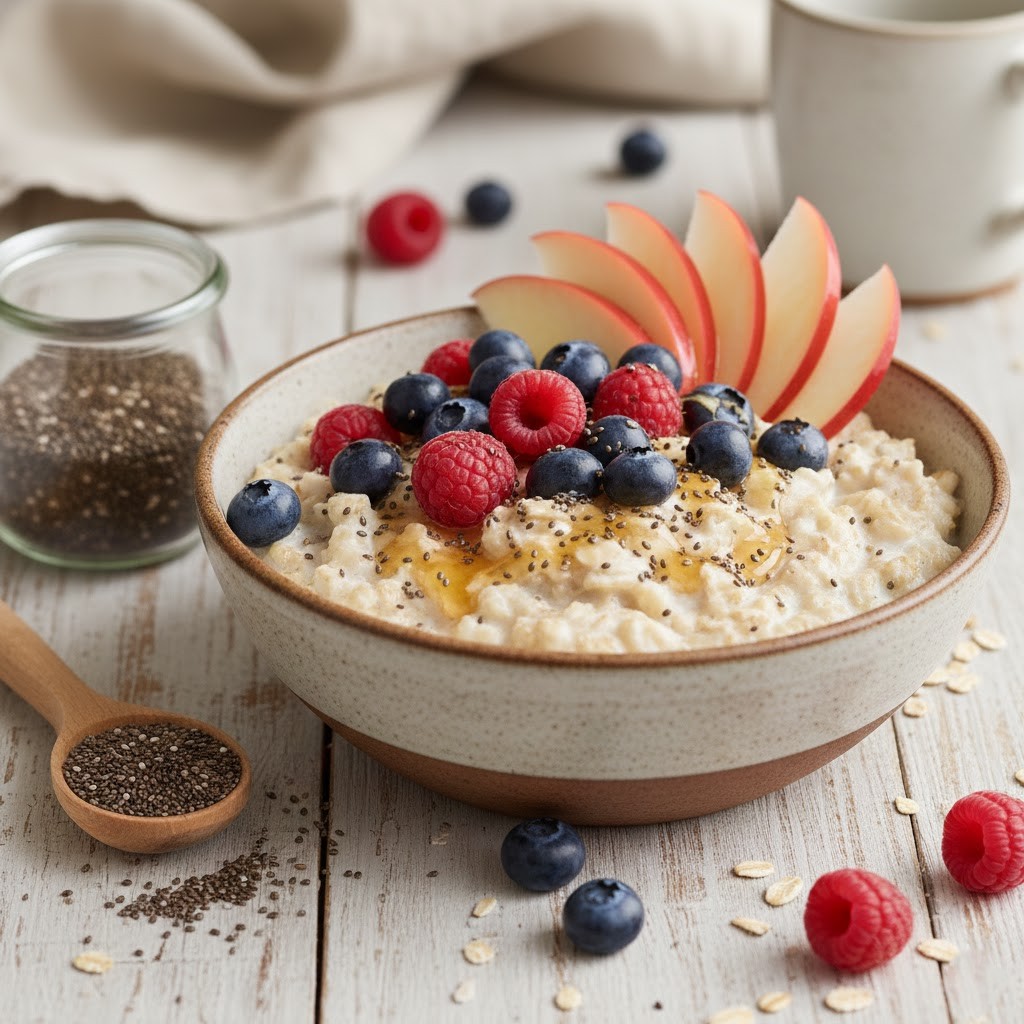
Food choices influence cholesterol in measurable ways. Soluble fiber, found in oats and apples, binds to cholesterol in the digestive tract and helps remove it before absorption. Healthy fats—such as those in avocados and olive oil—can replace saturated fats to support a better balance of LDL and HDL cholesterol. Studies indicate that adding just 5–10 grams of soluble fiber per day may help lower LDL levels. Even small daily changes, like swapping butter for olive oil, can add up across weeks or months.
👉 Want to go further? Our complete breakdown of Immunity-Boosting Foods to Add to Your Daily Diet walks you through immune system support step by step.
Best Low-Cholesterol Foods to Eat Daily
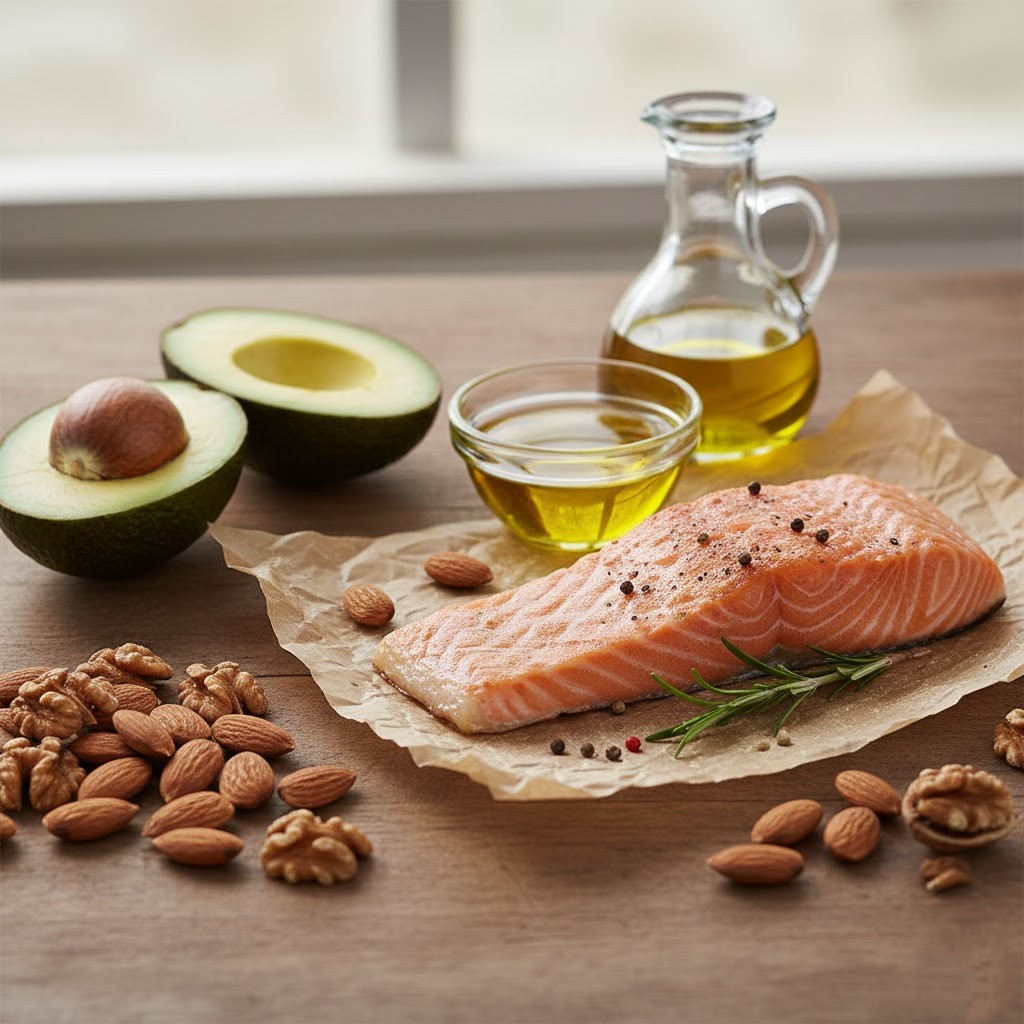
Now that we understand why food matters, let’s explore the most effective low-cholesterol foods you can easily find in US grocery stores.
Fruits and vegetables that support heart wellness
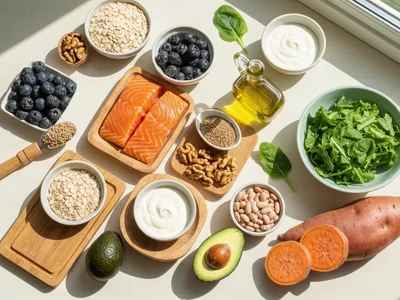
Produce delivers essential vitamins, minerals, and antioxidants. Apples, oranges, and berries are especially beneficial because they provide soluble fiber—berries can offer up to 8 grams of fiber per cup. Tomatoes contain lycopene, a pigment linked to cardiovascular support. Carrots add beta-carotene and fiber, making them a great snack or salad addition. Eating 2–3 servings of fruit and 2–3 servings of vegetables daily can help maintain a heart-supportive diet. Fresh, frozen, and even no-salt-added canned varieties are all accessible options.
Whole grains, seeds, and healthy fats to include
Whole grains like oats and quinoa offer fiber and plant-based protein, helping stabilize energy levels while supporting cholesterol management. One cup of cooked oats delivers about 4 grams of soluble fiber, making it an excellent breakfast choice. Seeds such as chia provide omega-3 fatty acids, which may support overall heart function. Healthy fats in nuts, salmon, and avocados help replace saturated fats with unsaturated ones. Eating small daily portions—such as 1 oz of nuts or ½ avocado—can create a meaningful shift in dietary fat quality.
How to Build a Low-Cholesterol Meal Plan
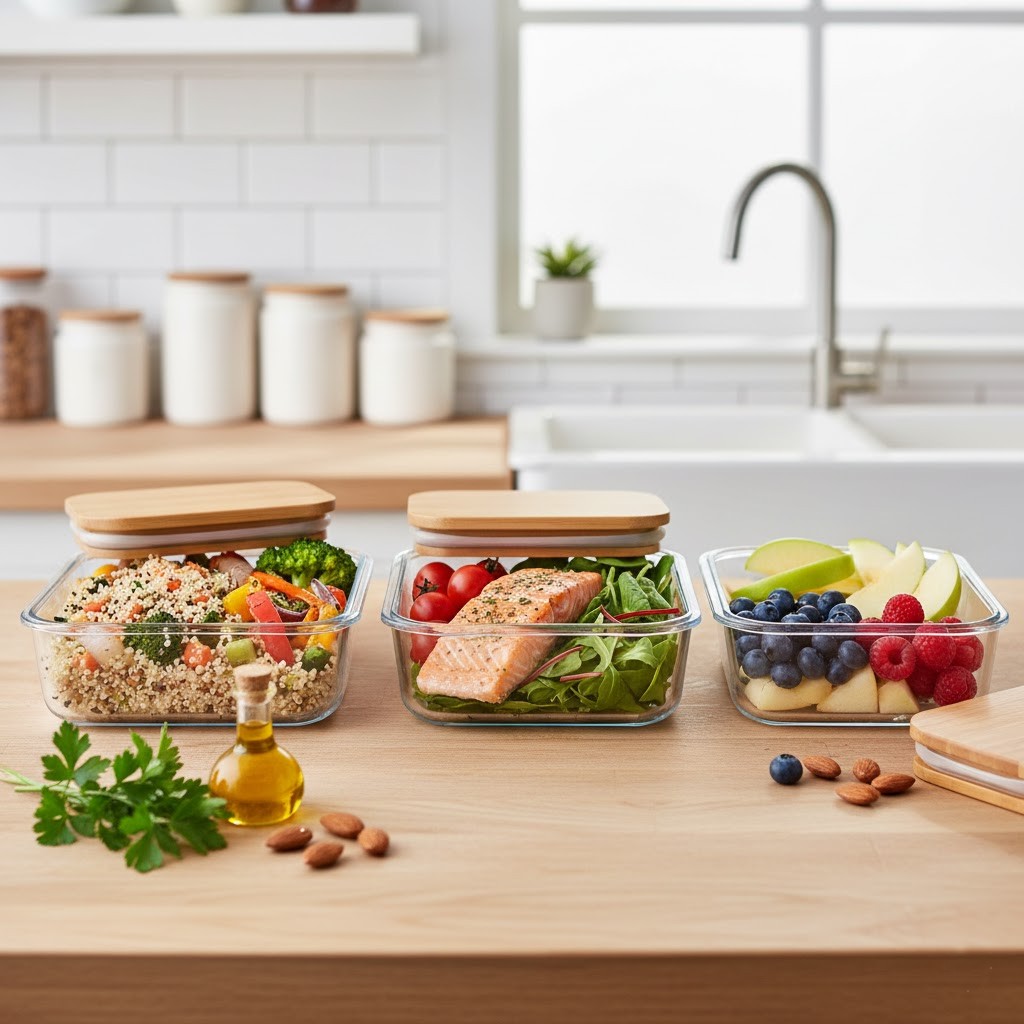
Once you identify the best foods, the next step is integrating them into your routine in a practical, budget-friendly way.
Simple swaps for everyday meals
Sometimes the easiest changes are the most effective. Replacing white bread with whole grain bread, choosing oats instead of sugary cereals, or using olive oil instead of butter are small but measurable improvements. For example, switching from a beef burger to a salmon patty once or twice a week can reduce saturated fat intake significantly. Adding berries to yogurt or blending fruits and oats into a smoothie are quick ways to increase fiber throughout the week without changing your routine dramatically.
Budget-friendly grocery tips for US households
Eating heart-healthy doesn’t have to be expensive. Buying oats in bulk containers often costs less than $0.10 per serving. Frozen berries are usually half the price of fresh options while offering similar nutritional value. Store brands often carry chia seeds, nuts, and quinoa at lower prices than specialty brands. Selecting produce that’s in season—such as apples in the fall or berries in summer—can also reduce costs. Planning meals with overlapping ingredients prevents waste and stretches your budget further.
Practical Tips for Long-Term Success
Shifting to low-cholesterol foods works best when it becomes a consistent routine rather than a short-term diet.
How to stay consistent with better eating habits
Consistency comes from building habits that fit your lifestyle. Preparing overnight oats, making a weekly vegetable soup, or keeping cut fruit in the fridge helps reduce daily decision fatigue. Many people find success with Sunday meal prep, setting aside 30–40 minutes to wash, chop, or portion ingredients. Using a grocery list focused on whole foods keeps you aligned with your goals. Celebrate small wins—such as choosing nuts over chips—because these tiny changes accumulate.
Mistakes to avoid when lowering cholesterol
While adding low-cholesterol foods is helpful, balance is key. One common mistake is overloading on “healthy” fats; even olive oil and nuts can contribute excess calories if consumed in large quantities. Another error is relying heavily on processed “low-fat” packaged foods, which often contain added sugars. Some people forget to pair dietary changes with physical activity—just 30 minutes of brisk walking five days a week enhances heart benefits. Avoid fad diets promising dramatic drops; sustainable progress typically takes several months.
Steps: How to Start Today (6–10 steps)
- Add one serving of fruit—like an apple or orange—to your breakfast.
- Swap butter for olive oil in at least one meal per day.
- Eat oatmeal or another whole grain-based breakfast 2–3 times weekly.
- Include a handful (1 oz) of nuts as a snack.
- Add vegetables—carrots, tomatoes, or leafy greens—to lunch and dinner.
- Replace one red meat meal with salmon or another fish per week.
- Drink water instead of sugary beverages to support overall heart wellness.
- Review your grocery list and include at least three low-cholesterol items weekly.
Tips & Swaps
- Replace creamy sauces with olive oil–based dressings.
- Choose whole grain bread instead of white bread.
- Snack on fruit or nuts instead of chips.
- Use avocado slices instead of cheese in sandwiches.
- Add chia seeds to yogurt or smoothies.
- Buy frozen produce to save money and reduce waste.
FAQs
- How quickly can low-cholesterol foods make a difference?
Most people may notice changes in cholesterol numbers within 6–12 weeks if they consistently choose heart-supportive foods. Results vary based on genetics, lifestyle, and medication use, but making small daily improvements can build momentum over time. - Are all fats bad for cholesterol?
Not at all. Saturated and trans fats can raise LDL levels, but unsaturated fats found in nuts, avocados, olive oil, and salmon may support heart health. The goal isn’t to remove all fats—it’s to choose better-quality ones consistently. - Do I need to avoid all animal products?
No. Lean poultry, fish, and low-fat dairy can fit into a heart-conscious diet. The focus is on moderating saturated fats and including more plant-based options like oats, fruits, vegetables, and seeds to support overall balance. - Can low-cholesterol foods help if I’m already on medication?
Yes. Diet and medication can complement each other. Many healthcare providers recommend combining both approaches to support optimal results. Always follow your provider’s guidance when making dietary or medication adjustments. - Is it expensive to eat low-cholesterol foods in the US?
Not necessarily. Items like oats, carrots, apples, and frozen berries are very affordable. Buying in bulk, choosing store brands, and avoiding packaged snacks can significantly reduce grocery costs while supporting heart health.
Ready to take the first step toward better heart health? Start by adding one or two low-cholesterol foods to your meals this week. Small, consistent choices can create meaningful long-term results.
Disclaimer: This content is for informational purposes only and is not a substitute for professional medical advice.

About Jane Smith
We turn solid evidence into everyday habits Americans can actually do—plain English, cups/oz, grocery-aisle swaps, and routines that fit real life. Our editorial process: Experience—we road-test tips in real schedules…