Best Foods to Eat for Common Health Concerns
Many everyday discomforts—like low immunity, dry skin, digestion troubles, or joint stiffness—can feel frustrating when they show up at the...
Many everyday discomforts—like low immunity, dry skin, digestion troubles, or joint stiffness—can feel frustrating when they show up at the wrong time. While food isn’t a cure-all, certain nutrient-dense options may help support the body’s natural systems. The key is choosing simple, accessible foods that fit into the typical American grocery routine and offer benefits backed by basic nutrition insights. Below, you’ll find a practical breakdown of foods that may help with some of the most common concerns people face.
Foods That Support Immunity, Skin, and Hair

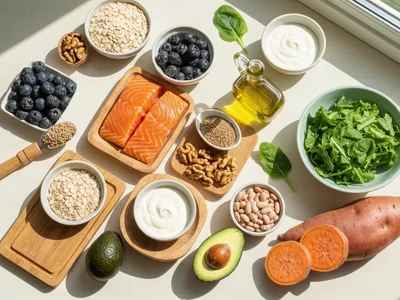
As we look at immune strength and overall skin and hair wellness, some foods stand out for their nutrient density and convenience. These foods can easily be added to breakfasts, lunches, or snacks, making them simple to include in a weekly routine.
👉 Want to go further? Our complete breakdown of Foods That Support Your Body: A Simple Guide walks you through topics related to support step by step.
Foods that can naturally support a stronger immune system
Kiwi is one of the most convenient immunity-supporting fruits because it’s packed with vitamin C—around 70 mg per fruit, which is close to the daily recommended intake for many adults. Vitamin C plays a role in supporting the body’s natural defenses, and kiwi also contains fiber, which helps keep digestion steady. Adding one kiwi to a morning yogurt bowl or slicing it as an afternoon snack is a simple way to include it. For people who prefer less tart fruits, kiwi can also be blended into smoothies with bananas or berries for a milder flavor that still delivers benefits.
Walnuts also provide nutrients supportive of the immune system. With 2.5 grams of ALA omega-3s per ounce, walnuts contribute healthy fats the body uses for cell function. They’re convenient to keep in the pantry and can be added to oatmeal, salads, or homemade trail mix. Even a small handful a few times a week may help your body feel more supported during seasonal changes or periods of stress.
👉 If you’re also working on topics related to naturally, our detailed guide on Everyday Foods That Support Your Body Naturally covers exactly what you need.
Nutrient-rich options that may help improve skin and hair health
Eggs are widely available and often one of the simplest protein sources in many American homes. They contain biotin, vitamin D, and protein—three nutrients known to support hair strength and texture. One large egg provides about 6 grams of protein, making it easy to incorporate into breakfast or quick meals. Some people enjoy hard-boiled eggs as a portable snack, while others prefer scrambled eggs or omelets with vegetables for extra nutrients.
Walnuts can also play a role in skin wellness because their omega-3 fatty acids contribute to skin moisture and elasticity. For people experiencing dryness—especially during winter months—adding walnuts to a daily snack rotation may offer mild support. A few tablespoons sprinkled on cereal or yogurt deliver flavor, texture, and healthy fats without much prep work.
👉 For a deeper dive into spotting nutrient deficiencies early, check out: Hidden Signs You May Be Low in Key Nutrients — it’s packed with practical tips.
Foods That Help With Digestion, Pain, and Other Everyday Issues
Beyond skin and immunity, digestion and joint comfort are top concerns for many people. Fortunately, several pantry staples offer gentle support and can be found in most grocery stores year-round.
Gentle food choices that may support better digestion
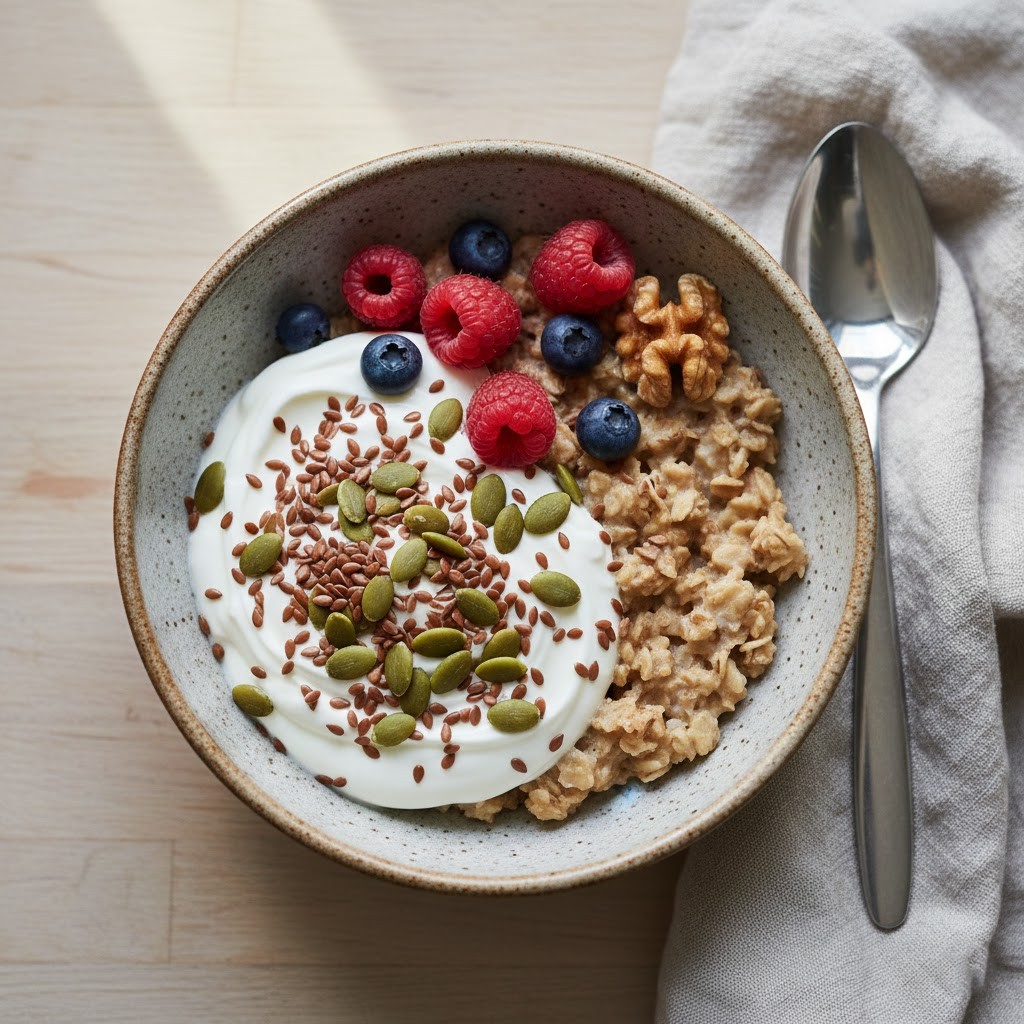
Yogurt is often recommended for digestion because it contains probiotics, which support a balanced gut environment. One serving of yogurt—typically 5 to 6 oz—can be added to smoothies or eaten plain with fruit and honey. Look for versions labeled “live and active cultures” for the highest probiotic content. Many people find yogurt especially helpful after heavy meals or during busy days when digestion feels sluggish.
Oats are another digestion-friendly staple. With 4 grams of fiber per ½-cup dry serving, oats help promote regularity and keep you feeling full longer. They’re easy to prepare on the stovetop or in the microwave and pair well with nuts, cinnamon, or berries. Overnight oats have also become a popular meal-prep option, offering flexibility for mornings when time is limited.
Natural foods that may help with cholesterol, acne, or joint discomfort
Pumpkin seeds offer zinc, magnesium, and healthy fats—nutrients that may help support clearer skin. One ounce provides over 1 mg of zinc, which is often discussed for its role in skin repair. You can sprinkle pumpkin seeds on salads, blend them into pesto, or eat them roasted as a simple snack.
Flaxseed may support joint comfort because it contains omega-3 fatty acids similar to those found in walnuts. Ground flaxseed is especially popular since it’s easy to mix into oatmeal, yogurt, or baked goods. Just 1–2 tbsp per day can add beneficial fats to your diet. For many people, it’s an easy pantry staple to incorporate without changing their entire routine.
Foods That May Support Oral Comfort and Overall Wellness
When everyday discomforts pop up—such as tooth sensitivity or mild swelling—some traditional pantry items may offer gentle support.
Simple choices that may soothe minor oral discomfort
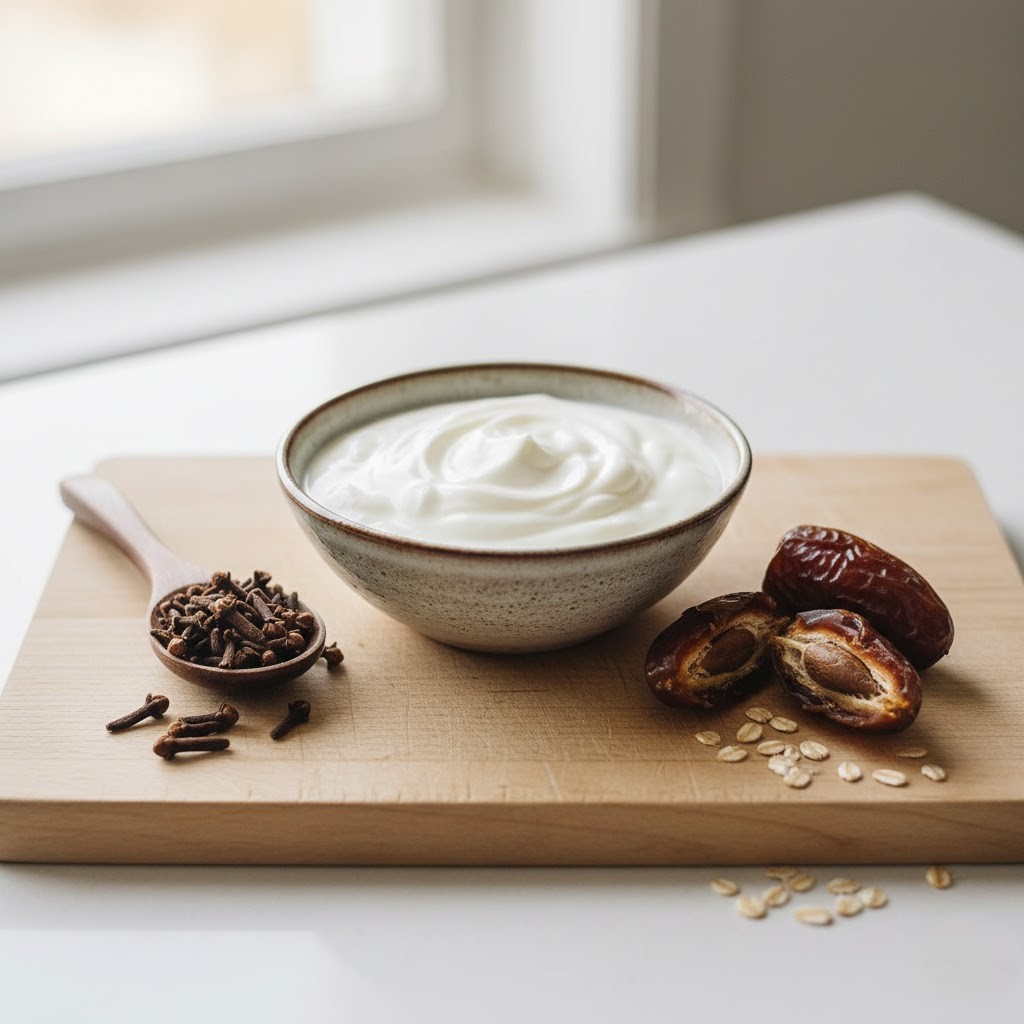
Cloves have been used traditionally to ease minor oral discomfort because they contain eugenol, a natural compound with warming properties. A pinch of ground cloves in warm water or tea may help provide temporary comfort. Pre-made clove teas or clove-infused mouth rinses are also available in many US health stores. While cloves aren’t a replacement for dental care, they can be a quick, home-based option until you’re able to see a dentist.
Yogurt also indirectly supports oral wellness because healthier digestion and reduced acidity can contribute to overall comfort. Adding yogurt to breakfast or snacks may help people who struggle with sensitivity triggered by highly acidic foods. Just be sure to choose varieties with lower added sugar, as sugar can contribute to plaque buildup.
Foods that can support daily balance and gentle well-being
Dates are naturally sweet and contain iron, making them a useful snack for people who may need to support healthy iron intake. One date contains roughly 0.2 mg of iron, and adding 2–3 dates to snacks or smoothies is a simple way to include them. Many people enjoy dates stuffed with nut butter for a more filling option that also delivers healthy fats.
Oats also play a role here because they support steady energy throughout the day. Having a bowl of oats in the morning can help prevent mid-day slumps and support more balanced blood sugar levels—another factor tied to overall daily wellness.
Foods That May Help With Low Iron and General Energy Support
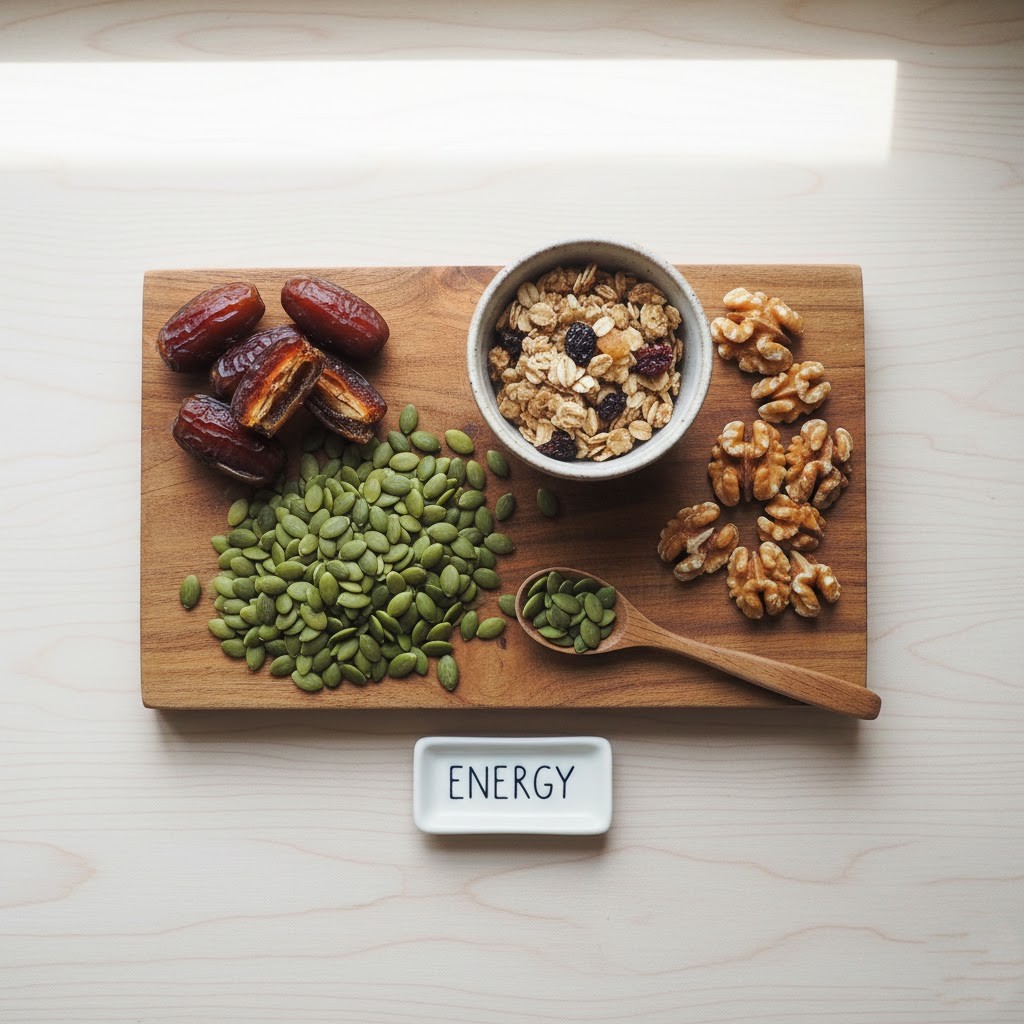
As we wrap up the core list of foods, a few items stand out for their potential to support natural energy and vitality.
Food choices that may support healthy iron intake
Dates, though small, offer iron plus natural sugars that provide quick energy. They’re easy to keep in the pantry and pair well with nuts or yogurt. For people looking for plant-based iron sources, dates can be added to smoothies, oatmeal, or trail mix. Some find that eating 2–4 dates in the afternoon offers a more stable energy boost than candy or sugary drinks.
Pumpkin seeds are another easy iron source. A one-ounce serving contains about 2.7 mg of iron, which can support healthy daily intake. They’re especially useful for people who prefer plant-based options. Toss them into salads, blend into sauces, or eat them roasted with a sprinkle of sea salt.
Foods that contribute to steady all-day energy
Walnuts support energy through their healthy fats, protein, and fiber. Eating a small handful—around ¼ cup—can help keep you satisfied longer between meals. Many people find walnuts helpful when trying to reduce snacking on processed foods.
Oats again stand out because their complex carbohydrates digest more slowly than refined grains. This slow release helps you avoid energy crashes and sustain focus throughout the morning or afternoon. Pairing oats with walnuts or pumpkin seeds creates a nutrient-rich breakfast that supports multiple wellness goals at once.
FAQs
- Are these foods meant to replace medical treatment?
No. These foods simply offer nutrients that may support your body naturally, but they’re not intended to replace medical care, diagnosis, or treatment. If you have ongoing symptoms, it’s best to talk with a healthcare provider. - How often should I eat these foods to notice benefits?
Consistency is key. Many people find that adding these foods 3–5 times per week is a realistic approach. Results vary widely depending on individual health needs, diet, and lifestyle. - Are these foods safe for kids?
Most of these foods are widely consumed by children, but serving sizes and allergies should always be considered. For example, nuts may pose choking hazards for young children. Always consult a pediatrician for specific concerns. - Can I eat these foods even if I don’t have the related health issue?
Absolutely. These foods are nutrient-dense and can fit into most balanced diets. Eating them regularly can support overall wellness even if you’re not targeting a specific concern. - What if I don’t like one of the recommended foods?
You can swap within the same nutrient category. For example, if you dislike walnuts, try almonds or chia seeds. If kiwi isn’t your favorite, oranges or strawberries provide similar vitamin C content.
If you’re ready to support everyday wellness with simple food choices, start by adding one or two of these ingredients to your routine this week. Small changes can make a meaningful difference over time.
Disclaimer: This content is for informational purposes only and is not a substitute for professional medical advice.

About Sarah Williams
We turn solid evidence into everyday habits Americans can actually do—plain English, cups/oz, grocery-aisle swaps, and routines that fit real life. Our editorial process: Experience—we road-test tips in real schedules…