Potato vs. Sweet Potato: Which Is Healthier?
When you’re trying to make healthier food choices, the question of potato vs. sweet potato comes up a lot. Both...
When you’re trying to make healthier food choices, the question of potato vs. sweet potato comes up a lot. Both are affordable, easy to find in US grocery stores, and versatile enough for everything from weeknight dinners to meal prep. Even though they look and taste different, their nutrition profiles are closer than most people realize. This guide breaks down the real differences, explains when each one fits best into your health goals, and helps you choose confidently the next time you’re planning meals.
Key Nutrition Differences
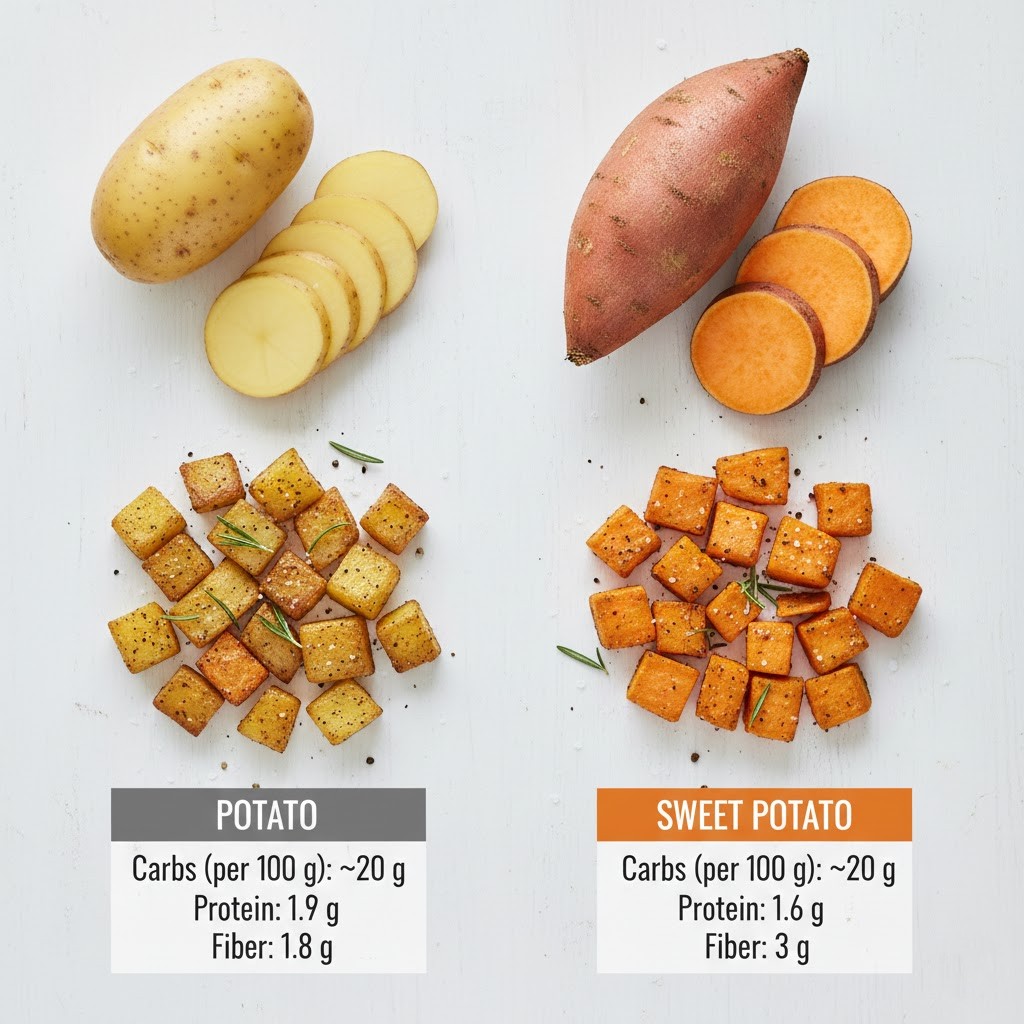
Understanding how potatoes and sweet potatoes stack up nutritionally is the first step toward choosing what works best for you. While both offer carbs for energy and minimal fat, their fiber content and vitamin profiles vary more noticeably. Below, we look closer at the macronutrients and how each option supports daily needs.
👉 If you’re also working on topics related to nutrition, our detailed guide on Cow Milk vs Buffalo Milk: Nutrition Compared covers exactly what you need.
Carbs, Protein, and Fat Breakdown
Both potatoes and sweet potatoes contain nearly identical carbohydrate amounts—around 20 g of carbs per 100 g, which equals roughly ¾ cup cooked. This makes them both moderate-starch options ideal for fueling workouts or supporting long workdays. Potatoes offer about 1.9 g of protein, slightly more than the 1.6 g found in sweet potatoes, but the difference is too small to meaningfully impact total daily protein intake.
Fat content is nearly nonexistent in both, sitting at 0.1 g per 100 g, which is why they’re naturally low-fat choices. What changes their nutritional impact is how they’re cooked. Baking or boiling keeps fat low, while frying can raise calories by 150–300 calories per serving. For balanced meals, pairing either potato with a protein (like chicken or beans) and a vegetable works well for slow-digesting energy.
👉 For a deeper dive into topics related to cheesecake, check out: Keto Cheesecake Fat Bombs: Sugar-Free Snack Recipe — it’s packed with practical tips.
Fiber, Calories, and Daily Needs
Fiber is where sweet potatoes shine. At 3 g of fiber per 100 g, they offer significantly more than the 1.8 g found in white potatoes. This difference can help you feel fuller longer, which is helpful if you’re trying to reduce snacking or stabilize energy throughout the day. A medium sweet potato provides about 14% of the daily fiber recommendation.
Calorie counts between the two are nearly identical: 87 calories for potatoes and 86 calories for sweet potatoes per 100 g. Because of this, your calorie intake won’t change much depending on which one you choose. Instead, the deciding factor becomes whether you want more fiber or prefer a milder flavor that pairs easily with almost any dish. Both options can fit into a balanced diet when portioned reasonably—about ½–1 cup cooked per meal.
👉 This pairs well with our Benefits Of Drinking Gallon Water Daily guide if you want the full picture on topics related to benefits.
How to Choose Based on Your Health Goals
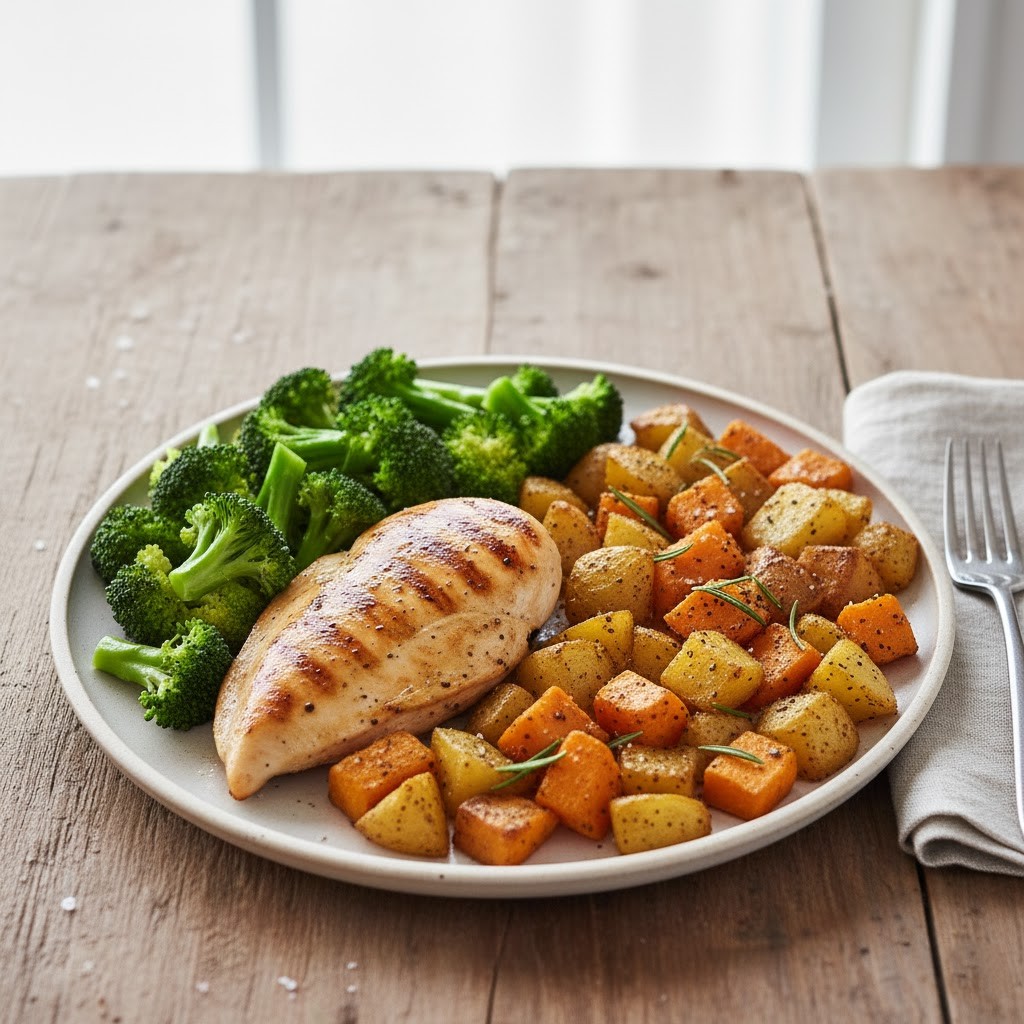
Now that the nutrition breakdown is clear, the next step is choosing which option aligns with your daily lifestyle. From weight-management strategies to energy needs for busy schedules, each tuber has advantages depending on how you use it.
Best Pick for Weight Management and Energy
If you’re prioritizing satiety, sweet potatoes may be slightly more helpful due to their higher fiber content. For example, replacing your regular mashed potatoes with a cup of mashed sweet potatoes can boost fiber by almost 2 g, which may reduce post-meal hunger. Sweet potatoes also offer a natural sweetness that may curb cravings for desserts or sugary snacks.
On the other hand, white potatoes provide a more neutral flavor and pair well with lean proteins, making them easy to include in balanced plates. Because both options contain nearly the same calories, portion control matters more than the type of potato you choose. Stick to ½–1 cup cooked depending on your daily calorie needs. For sustained energy—especially before workouts—both choices offer steady-release carbs that won’t spike blood sugar dramatically when eaten with protein and veggies.
When Each Works Best in Everyday Meals
In practical meal planning, the best option often depends on the dish you’re preparing. Sweet potatoes are excellent in dishes like roasted veggie bowls, breakfast hash, or baked halves topped with Greek yogurt. They provide a warm, slightly sweet flavor that complements cinnamon, chili powder, and smoked paprika. Their texture holds up well when roasted at 425°F.
White potatoes shine in applications where you want a creamy or fluffy texture—think mashed potatoes, baked potatoes, soups, and stews. Because they absorb flavors well, they pair nicely with garlic, herbs, and broth. A medium russet baked at 400°F creates a soft inside ideal for toppings like salsa, steamed broccoli, or a tablespoon of sour cream.
Tips & Swaps
- Swap sweet potatoes for white potatoes when you want more fiber.
- Choose boiling or baking to keep calories lower.
- Mix half white potato and half sweet potato for balanced flavor.
- Use spices instead of butter-heavy toppings to reduce added calories.
- For meal prep, roast both at once to add variety throughout the week.
FAQs
- Are sweet potatoes actually healthier than regular potatoes?
Sweet potatoes offer more fiber and vitamin A, but regular potatoes contain slightly more protein. Both have very similar calories and carbs, so which is “healthier” depends on your goals. If you want higher fiber or more micronutrients per serving, sweet potatoes may be the better choice. - Which potato is better for blood sugar control?
Generally, sweet potatoes have a slightly lower glycemic impact due to their higher fiber content. However, preparation matters. Boiled versions of either tend to have a gentler effect on blood sugar compared to frying or baking at very high heat. Pairing potatoes with protein also slows digestion. - Can I eat potatoes if I’m trying to lose weight?
Yes—portioning is key. Since both potatoes and sweet potatoes are around 86–87 calories per 100 g, they can fit into a weight-loss plan. Choosing baked, boiled, or roasted options and limiting high-calorie toppings helps keep them weight-friendly. - Which option works better for athletes or active people?
Both provide steady carbohydrates that support performance and recovery. If you need faster-digesting energy, white potatoes work well. For longer-lasting fullness during training days, sweet potatoes might feel more satisfying because of their higher fiber content. - What’s the best serving size for daily meals?
Most people do well with ½–1 cup cooked potatoes as part of a balanced meal. This amount provides energy without overwhelming your overall calorie target. Pairing with protein and vegetables helps promote stable energy and fullness.
If you found this potato comparison helpful, explore more of our practical nutrition guides to make everyday food choices easier and more confidence-driven.
Disclaimer: This content is for informational purposes only and is not a substitute for professional medical advice.

About Sarah Williams
We turn solid evidence into everyday habits Americans can actually do—plain English, cups/oz, grocery-aisle swaps, and routines that fit real life. Our editorial process: Experience—we road-test tips in real schedules…