Foods That May Help Boost Sperm Count
Improving sperm health is a goal for many men who want to support fertility, overall vitality, or long-term reproductive wellness....
Improving sperm health is a goal for many men who want to support fertility, overall vitality, or long-term reproductive wellness. While no single food can guarantee results, certain nutrients found in everyday groceries may help create a healthier environment for sperm production. This guide takes a practical, US-focused approach to understanding which foods may support sperm count and how to include them in daily meals without overhauling your entire routine.
How Nutrition May Influence Sperm Count
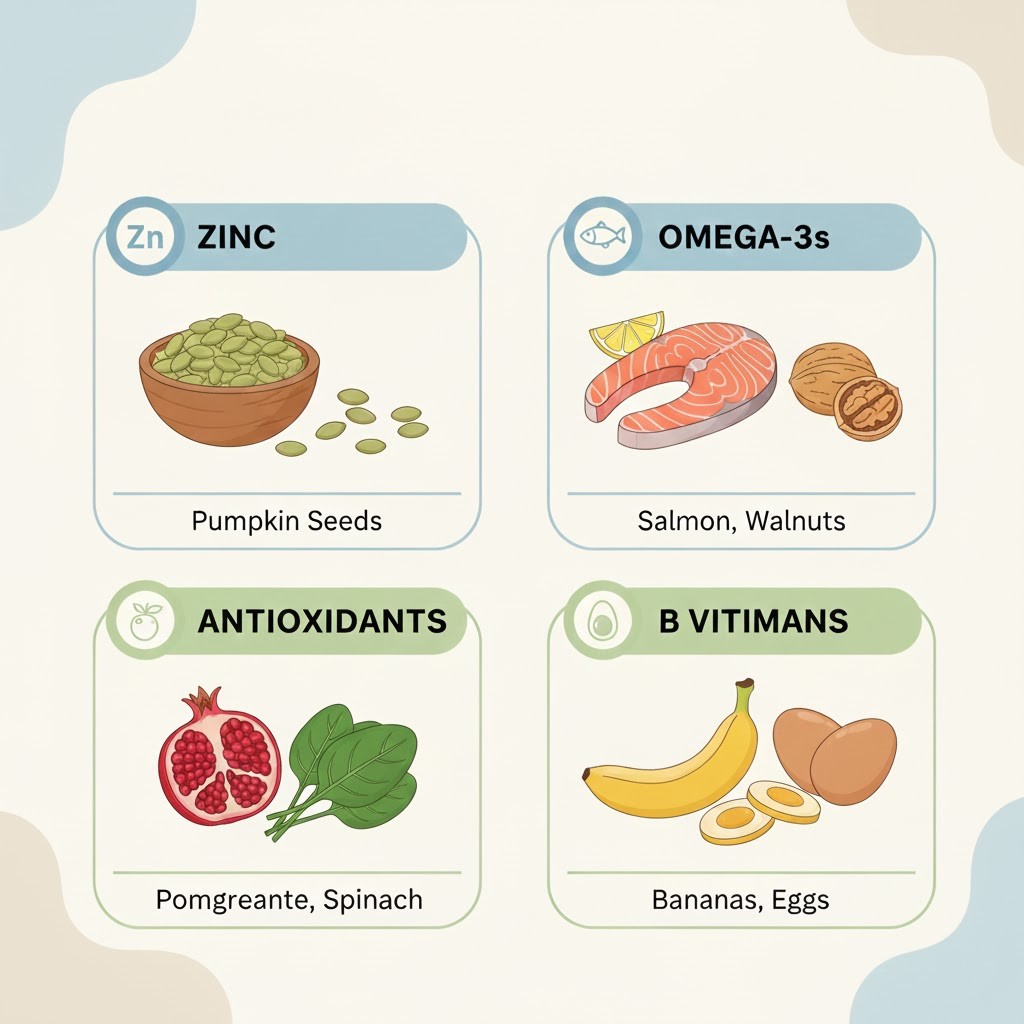
Making dietary changes can be an approachable first step for supporting sperm health, especially because nutrients play a measurable role in cellular protection and hormone balance. Understanding how these nutrients work helps you make informed choices at the grocery store.
👉 If you’re also working on topics related to equipment, our detailed guide on 10-Minute Core Burn Workout at Home (No Equipment) covers exactly what you need.
Nutrients that may support healthy sperm
Some nutrients frequently studied for reproductive health include antioxidants like vitamin C, vitamin E, and plant polyphenols. These compounds may help reduce oxidative stress, a factor linked to decreased sperm motility and count. For example, research notes that diets higher in antioxidants may contribute to measurable improvements in sperm parameters over several months. Minerals such as zinc and selenium are also important because they support hormone production and sperm formation. Even small dietary changes—like adding ½ cup of nuts or seeds a few times a week—can increase intake of these essential nutrients without relying on supplements.
👉 Want to go further? Our complete breakdown of Best Foods to Support Healthy Kidneys walks you through kidney health and function step by step.
How diet fits into overall reproductive wellness
Diet is just one piece of a larger picture, but it can work alongside healthy lifestyle habits to promote better sperm function. For example, consistently eating fruits, vegetables, and healthy fats may complement exercise, sleep, and stress-reducing habits. Many men notice changes in energy or routine within 4–8 weeks of improving diet quality, even though sperm development itself takes about 70–90 days. While foods can’t override medical conditions or lifestyle factors like smoking, they can offer a positive foundation for anyone trying to support fertility naturally.
👉 For a deeper dive into topics related to comparison, check out: Tea vs. Coffee: Which Fits Your Wellness Goals? — it’s packed with practical tips.
Top Foods That May Help Support Sperm Health
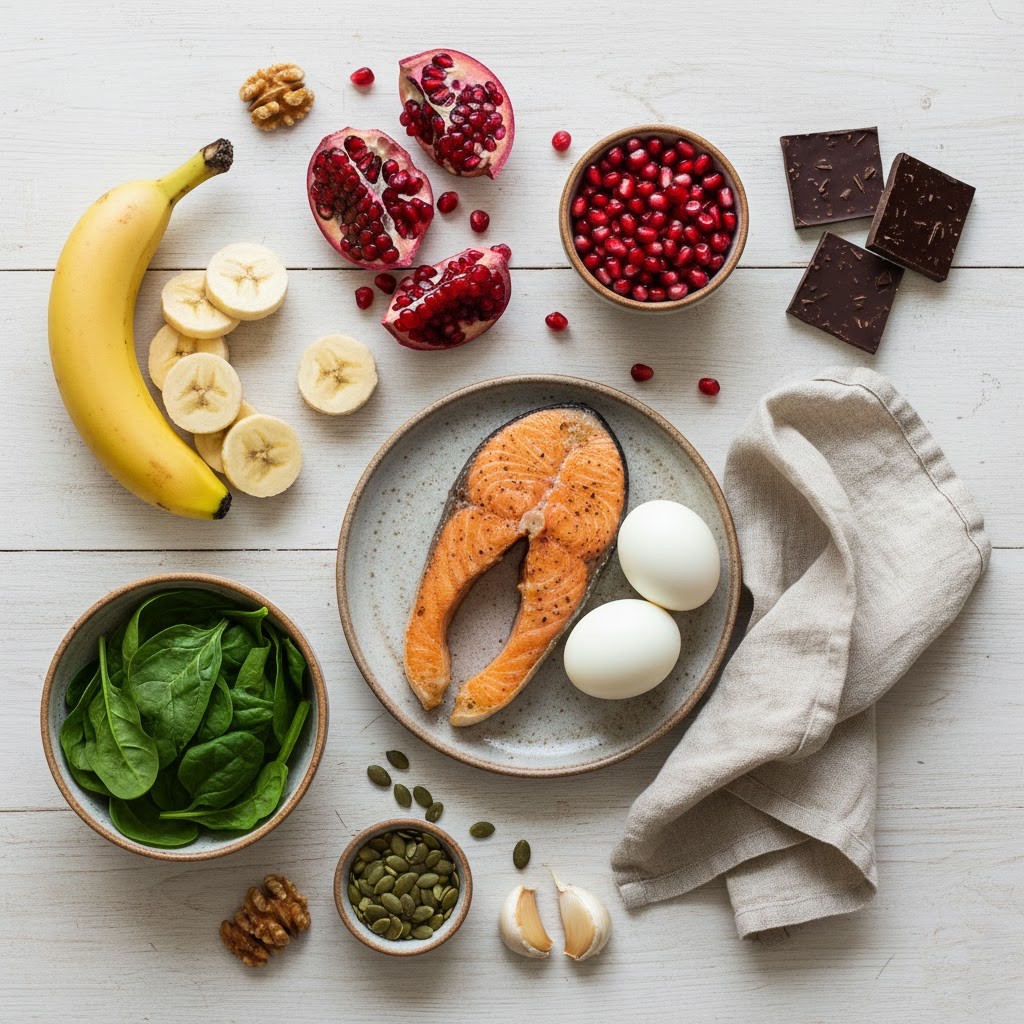
With nutrients in mind, several whole foods stand out for their potential to support sperm health. These items are affordable, easy to find in US grocery stores, and simple to add to meals you already enjoy.
Produce and plant foods rich in antioxidants
Colorful fruits and vegetables provide powerful antioxidants that may help protect sperm from oxidative damage. Pomegranates, for instance, contain polyphenols that have been studied for potential reproductive benefits—enjoying ½ cup of arils adds both fiber and antioxidants. Spinach offers folate, a key nutrient involved in DNA formation, which may support sperm structure. Bananas contain vitamin B6 and natural carbohydrates for steady energy. Even dark chocolate (70% cacao or higher) can be a helpful addition because it provides flavonoids, though it should be eaten in moderation due to added sugar.
Protein, healthy fats, and mineral-dense options
Foods rich in zinc, omega-3 fats, and amino acids offer building blocks for hormone production and sperm development. Pumpkin seeds deliver zinc and magnesium—just 1 ounce provides around 20–30% of the recommended daily zinc intake. Fatty fish like salmon or sardines supply omega-3s, which may help support sperm motility. Walnuts also contribute omega-3 fatty acids and antioxidants; a small handful (about ¼ cup) makes an easy daily snack. Eggs offer choline and high-quality protein, both essential for cellular function. Garlic adds allicin, a compound associated with circulation support, which may indirectly benefit reproductive health.
How to Add These Foods to a Daily Routine
Incorporating sperm-supportive foods doesn’t require a complicated meal plan. With a few simple habits, you can boost your intake of antioxidants, healthy fats, and minerals throughout the week.
Simple swaps and easy meal ideas
Small changes—like adding spinach to a morning omelet or tossing walnuts into oatmeal—can increase nutrient density without extra prep time. You might try replacing regular chocolate with a small square of dark chocolate after lunch or blending a banana into a smoothie for natural sweetness. Pomegranate seeds can top a salad, yogurt bowl, or even a grain bowl. Adding salmon to dinner once or twice a week provides omega-3s while keeping meals hearty and satisfying. These practical swaps help build consistency, which is key because dietary benefits accumulate gradually.
Budget-friendly tips for grocery shopping in the US
Many sperm-supportive foods are naturally affordable when purchased strategically. For instance, buying bananas by the bunch often costs less than $1–2 for a week’s supply. Frozen spinach is typically under $2 per bag and retains its nutrient value. Canned salmon offers the same omega-3 benefits as fresh fish at a lower price—often $3–4 per can. Pumpkin seeds bought in bulk may cost significantly less per ounce. You can also stretch ingredients by meal prepping: cook a batch of hard-boiled eggs for the week or portion nuts into small reusable containers for simple grab-and-go snacks.
When to Pair Diet Changes With Medical Guidance
While dietary shifts can play a supportive role, they aren’t a substitute for medical evaluation when fertility concerns arise. Knowing when to seek professional guidance can help you move forward with clarity.
Signs it may be time to talk with a clinician
If you’ve been trying to conceive for 6–12 months without success—or sooner if you already know of reproductive or hormonal concerns—consulting a healthcare professional can provide helpful insight. Symptoms like reduced libido, erectile difficulties, or a history of testicular issues may also warrant evaluation. Your clinician may recommend a semen analysis, which measures sperm count, shape, and movement. Understanding these baseline numbers helps you track progress and plan next steps, whether lifestyle-based or medical.
Safe expectations for lifestyle-based fertility support
Supporting sperm health through diet is a gentle, sustainable strategy, but changes don’t happen overnight. Because sperm cells take roughly 2–3 months to develop, many men track lifestyle improvements over a 90-day period. During that time, pairing nutrient-dense foods with habits like maintaining a healthy weight, limiting alcohol, and reducing heat exposure (such as hot tubs or tight clothing) may contribute to better outcomes. Setting realistic expectations helps you stay consistent without putting pressure on yourself or your partner.
FAQs
- How long does it take for dietary changes to affect sperm health?
Most changes take 70–90 days because that’s how long sperm development lasts. While some men may notice increased energy or better routines sooner, measurable changes in sperm count or motility typically require at least two to three months of consistent habits. - Can eating these foods alone significantly increase sperm count?
Diet can play a helpful supporting role, but it cannot guarantee major changes on its own. Results vary based on overall health, medical conditions, lifestyle habits, and environmental exposures. Foods work best when combined with balanced routines and medical guidance when needed. - Are supplements better than whole foods for sperm health?
Supplements can be useful in certain situations, but whole foods offer a wide range of nutrients, fiber, and antioxidants that work together. Many clinicians recommend starting with dietary improvements and then adding supplements if testing shows a specific deficiency. - How often should I eat these sperm-supportive foods?
Aim for consistency rather than perfection. For example, eating fatty fish 1–2 times a week, adding nuts or seeds daily, and increasing fruit and vegetable servings can help support sperm health over time without requiring a strict regimen. - Do these foods help if I’m not trying to conceive right now?
Yes, many sperm-supportive foods promote overall wellness because they’re rich in antioxidants, healthy fats, and essential nutrients. Even if fertility isn’t a current goal, these foods support general health, energy, and long-term well-being.
Tips & Swaps
- Add spinach to smoothies or omelets.
- Replace snacks with a handful of walnuts.
- Use canned salmon for quick, omega-3-rich meals.
- Sprinkle pumpkin seeds on salads or yogurt.
- Keep bananas on hand for easy breakfasts.
Want more nutrition-based wellness guides? Explore our latest articles for practical, research-inspired tips you can use every day.
Disclaimer: This content is for informational purposes only and is not a substitute for professional medical advice.

About Mike Johnson
We turn solid evidence into everyday habits Americans can actually do—plain English, cups/oz, grocery-aisle swaps, and routines that fit real life. Our editorial process: Experience—we road-test tips in real schedules…