8 Simple Daily Habits for Better Everyday Health
If “getting healthy” feels huge, simple daily wellness habits can make it manageable. Small choices—like an apple, a glass of...
If “getting healthy” feels huge, simple daily wellness habits can make it manageable. Small choices—like an apple, a glass of water, or going to bed on time—add up over weeks and months. You don’t need a perfect routine or expensive supplements. You just need a few repeatable actions that fit your real life in the US, from the grocery aisle to your bedtime. Let’s turn everyday foods and simple rituals into better health, one day at a time.
Why Tiny Daily Habits Matter More Than You Think
👉 If you’re also working on sustained daily energy, our detailed guide on Simple Habits for Steady All-Day Energy covers exactly what you need.
How small choices shape long-term health
When people think about health, they often picture big overhauls: strict diets, intense workouts, or giving up every comfort food. In reality, your body responds to what you do most days, not what you do perfectly once in a while. Swapping one sugary snack for an apple, or adding a handful of nuts three times a week, might not feel dramatic—but that’s the point. These changes are gentle enough to keep doing. Over a year, a simple 100-calorie shift each day can add up to about 10 pounds of difference, especially when paired with more movement and better sleep.
👉 This pairs well with our Best Foods to Support Kidney Health guide if you want the full picture on kidney health and function.
Setting realistic goals for a busy US lifestyle
Most Americans juggle work, family, and long commutes, so any plan that needs hours in the kitchen or a total pantry makeover usually won’t last. Instead, aim for tiny upgrades you can layer onto what you already do. Choose habits that fit common routines: grabbing coffee, packing kids’ lunches, or scrolling your phone at night. For example, you might pair your morning coffee with 4 almonds, or drink a glass of water every time you walk into the kitchen. Keep goals specific—like “eat 1 piece of fruit every day”—so you can actually track them.
👉 Want to go further? Our complete breakdown of The 4 Levels Of Holistic Healing walks you through topics related to holistic step by step.
Everyday Food Habits That Gently Support Your Health
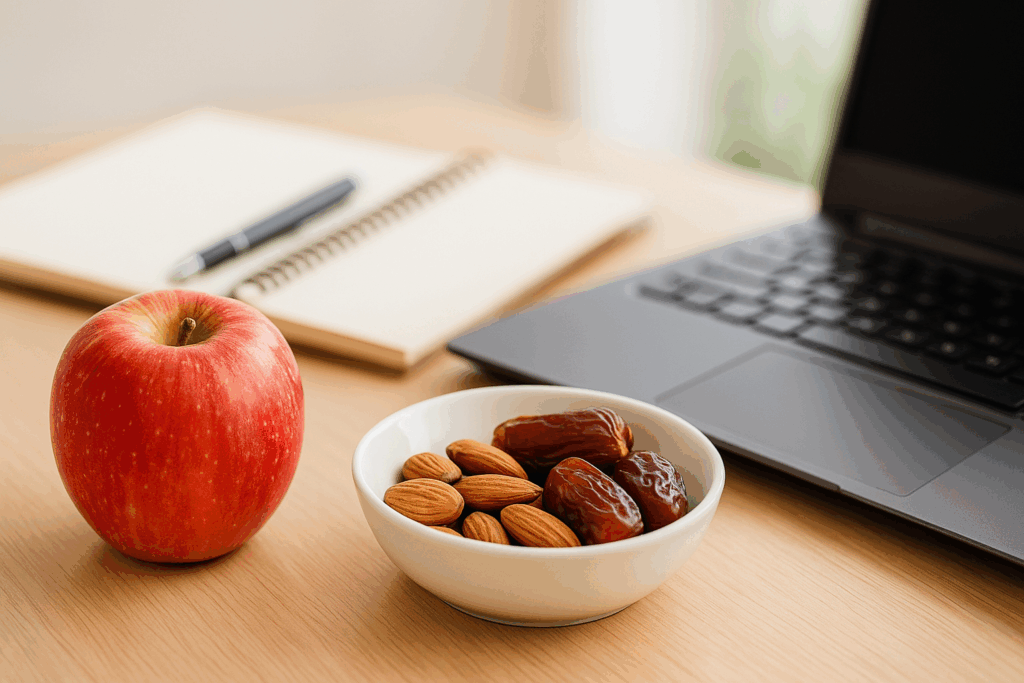
An apple a day and other easy fruit wins
Fruit is one of the simplest daily wellness habits because it needs almost no prep. Keeping a 3-lb bag of apples on your counter makes it easy to grab one on your way out the door. A medium apple has around 4 grams of fiber, which can help you feel fuller and support digestion. If apples aren’t your favorite, swap in a banana, pear, or cup of berries. Try building a rule like “no afternoon snack without a fruit.” This keeps the habit simple and budget-friendly, especially when you buy whatever’s on sale at your local grocery store.
Almonds and dates for steady energy and fullness
Nuts and dried fruit can be powerful when you’re trying to avoid the 3 p.m. vending-machine crash. A quick combo is 4 almonds and 2–3 dates as a mid-day snack. Almonds offer healthy fats, protein, and a bit of fiber, while dates bring natural sweetness and some minerals like potassium. Instead of grabbing a giant pastry that leaves you sluggish, keep a small container of almonds and dates at your desk or in your car. Pre-portion about 1 oz (roughly 23 almonds) into snack bags if you want a more filling option a few days per week.
Lemon and simple ways to brighten your daily meals
Lemon is a tiny ingredient that can transform bland meals without adding sugar or heavy sauces. Squeezing 1–2 tsp of lemon juice into your water bottle can make hydration feel more refreshing. At dinner, a wedge of lemon over steamed vegetables, grilled chicken, or fish adds brightness that makes healthy food more enjoyable. You can even whisk lemon juice with 1 tbsp olive oil and a pinch of salt for a quick salad dressing. Keeping a few fresh lemons in your fridge or a bottle of 100% lemon juice on hand makes this habit effortless.
Quick tips & simple swaps
- Swap one sugary snack for a piece of fresh fruit.
- Keep a jar of almonds by your coffee maker for easy reach.
- Add dates instead of candy when craving something sweet.
- Use lemon, herbs, and spices to flavor food before sauces.
Hydration, Milk, and Simple Ways to Support Bones and Skin

How much water most adults really need
Hydration is one of the most underrated simple daily wellness habits. While exact needs vary, a common guideline is about 11–15 cups of fluids per day for most adults, coming from water, tea, coffee, and foods. A helpful target is 8–12 cups (64–96 oz) of plain water, adjusting for heat or exercise. Instead of counting every ounce, use everyday cues: keep a 16-oz bottle nearby and aim to refill it 3–4 times. Add lemon slices, cucumber, or a splash of 100% juice if you get bored with plain water.
Where milk fits in a balanced routine
Milk can be a convenient source of calcium and vitamin D, nutrients that help support bone health. A typical 8-oz glass of cow’s milk provides around 300 mg of calcium. If you tolerate dairy, enjoying one glass with breakfast or as an evening snack can be an easy habit. Prefer plant-based options? Look for fortified almond, soy, or oat milk with similar calcium and vitamin D levels, and shake the carton before pouring. Whether you choose dairy or non-dairy, think of milk as just one part of an overall pattern that also includes leafy greens, beans, and movement.
Gentle tips for skin-friendly daily habits
Healthy-looking skin often reflects what’s happening on the inside. Staying hydrated, eating fruits and vegetables, and getting enough sleep can quietly support your skin over time. Aim for at least 5 servings of produce per day—this could be an apple, a handful of baby carrots, a salad at lunch, and a side of steamed veggies at dinner. Try to limit long, hot showers, which can dry skin; lukewarm water and a gentle moisturizer right after bathing are usually kinder. These steps won’t erase every skin issue, but they help build a more supportive daily environment.
Sleep, Stress Relief, and Making Habits Stick

Why aiming for 7–9 hours of sleep matters
Sleep is the reset button for your body and mind. Most adults do best with about 7–9 hours of sleep per night, yet many Americans get less. Short sleep can make cravings stronger, especially for sugary or salty snacks, and may leave you too tired to prepare balanced meals. Start by moving your bedtime just 15–20 minutes earlier for a week, then adjust again if needed. Keep your bedroom cool—around 65–70°F—dim, and quiet. Charging your phone outside the bedroom or using “Do Not Disturb” can reduce late-night scrolling that steals precious rest.
Quick stress-soothers you can use anywhere
You don’t need a full spa day to feel calmer. Simple tools you can use in under five minutes often work best because you’ll actually use them. Try box breathing: inhale for a count of 4, hold for 4, exhale for 4, and pause for 4; repeat this 5–8 times when you feel tense. A short walk—just 10 minutes around the block—can ease stress and help you hit your movement goals. Keep a “micro-break” list on your phone with three quick options: stretch, drink water, or step outside and look at the sky.
Turning these ideas into a simple daily plan
To turn these ideas into action, it helps to put them in a basic sequence you can follow most days. Think of it as an eight-step wellness routine built around ordinary moments.
- Morning: Drink 1 glass (8 oz) of water as soon as you wake up.
- Eat 1 piece of fruit, like an apple, with or after breakfast.
- Enjoy 4–10 almonds as a mid-morning snack alongside your coffee or tea.
- At lunch, drink another 8–16 oz of water, plain or with lemon.
- Have 2–3 dates as your afternoon sweet instead of candy or pastries.
- With dinner, include a veggie and a small source of protein, plus a glass of water or milk.
- After dinner, take a 10-minute walk or do light stretching to unwind.
- Aim to be in bed early enough to get 7–9 hours of sleep, keeping screens out of the bedroom when possible.
FAQs
- How long does it take for these habits to make a difference?
Many people notice small changes—like steadier energy or less afternoon munching—within 2–4 weeks of consistent habits. Bigger shifts, such as weight changes or improved lab numbers, can take several months. Think of this as a long-term investment instead of a quick fix. The goal is to build routines you can see yourself doing next year, not just next week. - Do I have to follow all eight habits every single day?
Not at all. It’s usually more realistic to start with one or two habits and build from there. You might begin with drinking water first thing in the morning and eating one piece of fruit daily. Once those feel automatic—often after 3–4 weeks—add another habit, like a 10-minute walk or an earlier bedtime. Progress, not perfection, is what makes wellness sustainable. - What if I don’t like apples, milk, or dates?
You can absolutely swap foods while keeping the same structure. Replace apples with pears, oranges, or berries; choose yogurt, fortified plant milks, or cheese sticks instead of a glass of milk. For sweetness, try raisins, dried apricots, or a small square of dark chocolate. The key idea is fiber-rich produce, some healthy fats or protein, and moderate, satisfying treats. - Is it possible to drink too much water?
Yes, over-hydration is possible, though it’s less common than dehydration. If you’re drinking so much water that you feel bloated, constantly need the bathroom, or your urine is always clear, you may be overdoing it. Most healthy adults do well with 8–12 cups of water per day, adjusting for heat and activity. If you have kidney, heart, or other medical conditions, follow your provider’s guidance.
Pick just two simple daily wellness habits from this article—like a fruit-and-nut snack and an earlier bedtime—and commit to them for the next 30 days. Notice how your body feels.
Disclaimer: This content is for informational purposes only and is not a substitute for professional medical advice.

About Mike Johnson
We turn solid evidence into everyday habits Americans can actually do—plain English, cups/oz, grocery-aisle swaps, and routines that fit real life. Our editorial process: Experience—we road-test tips in real schedules…