What Different Body Pains May Be Telling You
Understanding what your body pain signs might mean can help you respond sooner and make informed decisions about your health....
Understanding what your body pain signs might mean can help you respond sooner and make informed decisions about your health. While occasional aches happen to everyone, certain types of discomfort may point to something deeper going on inside the body. This guide explains common body pain signals, what they may indicate, and when it’s a good idea to talk with a healthcare professional. The goal is not to diagnose but to help you recognize patterns so you can act early and stay proactive.
Why Body Pain Matters
Recognizing why body pain matters is an important step in understanding how your body communicates with you. Pain isn’t just an inconvenience—it’s one of the body’s most effective warning systems. When discomfort shows up in a specific way or location, the body may be alerting you to stress, inflammation, or potential organ issues.
👉 If you’re also working on reading your body’s signals, our detailed guide on Body Warning Signs You Shouldn’t Ignore covers exactly what you need.
How the body signals internal issues
The body has an intricate network of nerves that send messages to the brain when something feels off. Sometimes pain appears directly at the source, but other times it travels—known as referred pain. For example, pain in the left arm can sometimes appear even when the issue is actually with the heart. Studies show that around 30% of people experiencing heart-related discomfort report pain outside the chest area, such as the neck, jaw, or arm. These signals may come and go, feel sharp or dull, and can last anywhere from a few seconds to several hours. Paying attention to how frequently the pain occurs—such as more than 3–4 times a week—can help you recognize patterns worth mentioning to your doctor.
👉 If you’re also working on topics related to health, our detailed guide on Habits Linked to Common Health Issues covers exactly what you need.
When pain suggests something serious
While many aches stem from muscles, joints, or lifestyle habits, certain kinds of pain should raise your awareness. Serious pain often has specific characteristics: sudden onset, pain that spreads to other areas, or pain paired with dizziness, nausea, or shortness of breath. For example, chest pain that lasts longer than 5–10 minutes or worsens with activity may require medical attention. Additionally, pain that interrupts sleep, increases steadily over several days, or appears with new digestive symptoms can suggest deeper concerns. Understanding these distinctions can empower you to seek help at the right time rather than waiting for symptoms to escalate.
👉 This pairs well with our 10-Minute Core Burn Workout at Home (No Equipment) guide if you want the full picture on topics related to equipment.
Common Pain Areas and What They May Mean
Moving from the general importance of body pain, it’s helpful to look at specific areas where discomfort can point to underlying issues. Although the exact cause varies, certain patterns appear often enough to be considered meaningful.
Heart-related pain (left arm, chest, jaw)
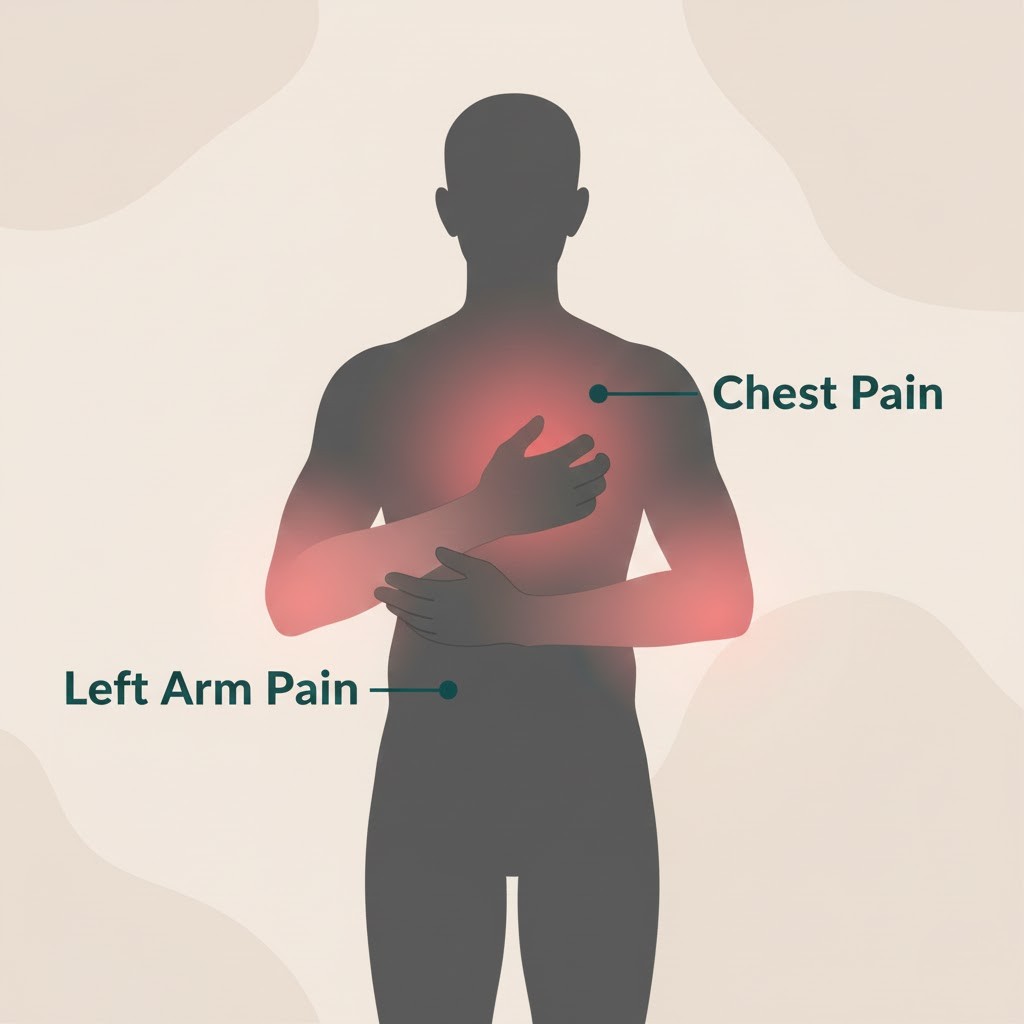
Pain connected to the heart often appears in places people don’t expect. Left arm pain, for example, is one of the classic warning signs of heart trouble—especially if it comes with pressure, tightness, or a tingling sensation. In the United States, many emergency physicians note that patients experiencing heart attacks frequently report discomfort traveling from the chest into the arm. Chest pain is another common sign. While heartburn and muscle strain can cause chest discomfort too, pain that feels like pressure, squeezing, or heaviness—especially if it lasts more than 10 minutes—may require immediate evaluation.
Jaw pain can also be linked to the heart, especially when it feels like sudden tension, tightness, or aching on the left side. Studies suggest that about 1 in 10 heart attack cases include jaw discomfort as a symptom. What makes heart-related pain tricky is that it may appear mild or come and go. If these pains show up during physical activity, stress, or walking uphill, they deserve extra attention.
Organ-related pain (right shoulder, upper abdomen, lower back)
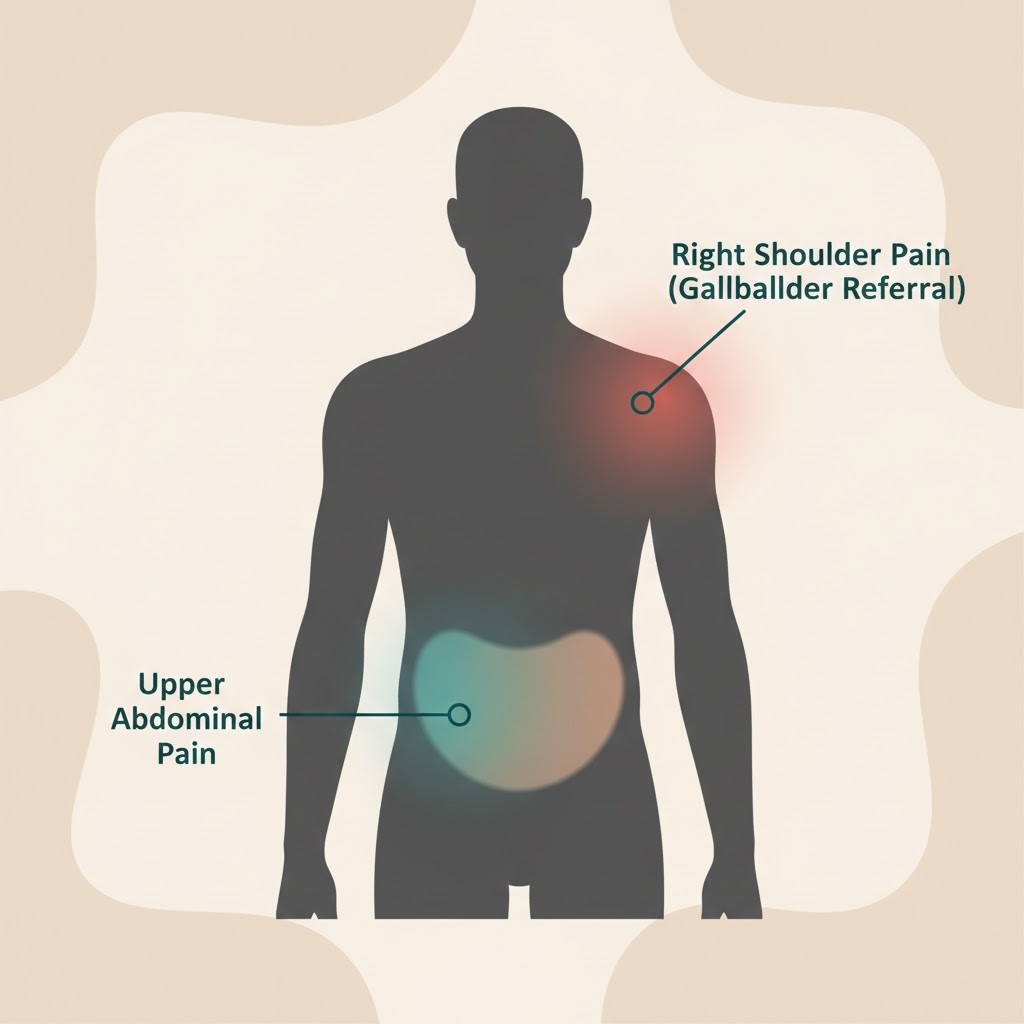
Pain in certain areas may point to stress or irritation in internal organs. For example, right shoulder pain may sometimes be associated with gallbladder issues. The gallbladder sits under the liver, and when it becomes inflamed, pain can travel upward. Many people describe it as a radiating ache that worsens after eating fried or high-fat meals—often within 30–60 minutes.
Upper abdomen pain can occur for many reasons, but discomfort in this area is often linked to the stomach, pancreas, or upper digestive system. Some people describe it as burning or sharp pain right under the ribcage, especially after meals. In some cases, ulcers or pancreatic irritation may be involved. If upper abdominal pain persists for more than a week, intensifies at night, or appears with nausea, it’s worth discussing with a healthcare professional.
Lower back pain is extremely common in the United States, affecting nearly 1 in 4 adults at any given time. While many cases stem from muscle strain or posture, discomfort in this area can sometimes relate to kidney issues. Kidney-related pain often comes with additional signs such as fever, changes in urine color, or pain that worsens when tapping the lower back.
When to Call a Healthcare Professional
Now that you understand how certain types of pain can signal deeper issues, it’s just as important to know when to reach out for professional help. Acting early can make a significant difference in managing or preventing more serious problems.
Urgent red-flag symptoms to watch for
Some symptoms require prompt medical attention. These include chest pain that doesn’t improve within 5–10 minutes, sudden severe abdominal pain, or pain that spreads to the arms, back, or jaw. Additional signs such as trouble breathing, fainting, vomiting blood, or severe dizziness should never be ignored. For example, chest pain combined with sweating and nausea is a common pattern in heart emergencies. Similarly, sharp abdominal pain paired with fever or vomiting may point to appendicitis or gallbladder inflammation. If a new pain reaches a level of 7 or higher on a 0–10 severity scale, or if it disrupts your ability to stand, walk, or take deep breaths, it’s reasonable to seek same-day evaluation.
Practical steps to stay proactive about your health
Taking small steps can help you track and understand new or recurring pain. Start by noting when the discomfort begins, how long it lasts, and whether it appears after eating, exercising, or sleeping. Writing these patterns down for even 5–7 days can provide valuable information for your doctor. You can also monitor simple lifestyle factors: hydration, sleep quality, stress levels, and daily activity. For instance, drinking at least 8 cups of water per day may help if your pain is related to muscle tension or kidney irritation. Gentle stretching for 5–10 minutes can ease certain types of back discomfort. Ultimately, your goal is not to self-diagnose but to stay aware and communicate clearly when something feels off.
Tips to Stay Body-Aware
- Note any pain lasting more than 3–4 days.
- Track what you were doing before pain started.
- Avoid heavy lifting if discomfort increases.
- Seek medical guidance if pain spreads or worsens.
- Reduce high-fat meals if you notice shoulder or upper abdominal pain.
- Stay hydrated to support organ function.
Frequently Asked Questions
- Does all chest pain mean heart trouble?
Not always. Chest pain can come from muscles, digestion, or stress. However, pressure-like pain, especially with shortness of breath or sweating, may signal a heart issue. If chest discomfort lasts longer than a few minutes or feels severe, it’s safest to seek immediate medical care. Never ignore symptoms that seem unusual or sudden. - Is left arm pain always related to the heart?
Left arm pain can be caused by muscle strain, nerve compression, or sleeping position. But when it appears with chest discomfort, jaw pain, or nausea, it may suggest heart involvement. Pain that worsens with physical activity or stress deserves prompt evaluation. If the pain feels new, intense, or spreads, don’t wait to get help. - What makes lower back pain kidney-related?
Kidney-related pain often feels deeper than a muscle ache and usually appears on one side. It may come with fever, nausea, or changes in urine color. Pain that worsens when tapping the lower back can be a clue. If symptoms persist or intensify within 24–48 hours, it’s best to consult a healthcare professional. - When should abdominal pain worry me?
Abdominal pain may come from digestion, gas, or muscle strain, but persistent or severe pain can indicate ulcers, gallbladder issues, or inflammation. Pain that appears after eating high-fat foods, lasts more than a week, or wakes you up at night should be checked. If the pain spreads or causes vomiting, seek medical help sooner. - Can jaw pain be a sign of a heart attack?
Yes, in some cases. Jaw pain—especially on the left side—can be a referred symptom of heart trouble, particularly when paired with chest or arm pain. If the jaw discomfort starts suddenly, feels tight or aching, and appears with other symptoms, call for medical assistance immediately. It’s always better to err on the side of caution.
If you’ve been noticing recurring or unusual pain, take a moment today to jot down your symptoms and patterns. Understanding these signs now can help you take the right steps toward protecting your long-term health.
Disclaimer: This content is for informational purposes only and is not a substitute for professional medical advice.

About Jane Smith
We turn solid evidence into everyday habits Americans can actually do—plain English, cups/oz, grocery-aisle swaps, and routines that fit real life. Our editorial process: Experience—we road-test tips in real schedules…