Best Foods to Support Healthy Kidneys
Maintaining kidney health is essential for overall wellness, and the foods you choose each day can make a meaningful difference....
Maintaining kidney health is essential for overall wellness, and the foods you choose each day can make a meaningful difference. Many Americans rely on quick meals, processed snacks, and high-sodium foods, which can put extra stress on the kidneys over time. By adding more kidney-supportive foods to your routine, you can help your body manage fluid balance, filter waste, and maintain long-term vitality. This guide walks you through why these foods matter, how they support kidney function, and which ingredients offer the biggest benefits.
Why Kidney-Supporting Foods Matter
As you look at your daily habits, it’s easy to overlook how much your kidneys do behind the scenes. This section helps you understand the dietary factors that influence kidney workload and the early signs that your eating patterns may need improvement.
👉 If you’re also working on kidney health and function, our detailed guide on 12 Best Foods to Keep Your Kidneys Healthy covers exactly what you need.
How everyday nutrition impacts kidney workload
What you eat directly affects how hard your kidneys work. Foods that are high in sodium, added sugar, or unhealthy fats can require the kidneys to filter more waste and hold extra fluid. For example, many canned soups contain 600–900 mg of sodium per serving—almost half the daily limit recommended for people monitoring their kidney health. On the other hand, nutrient-dense foods like oats, apples, and cauliflower provide fiber and antioxidants that support smoother filtration. When you consistently choose whole foods over processed ones, you naturally reduce the strain on these essential organs.
Choosing the right protein also plays a role. Eating large amounts of high-fat or heavily seasoned meats can force your kidneys to work overtime. Lean proteins—such as eggs, salmon, or Greek yogurt—supply essential amino acids without excess sodium or saturated fat. Even small swaps, like replacing a fast-food breakfast sandwich with a bowl of oats and fruit two or three times a week, can reduce kidney stress in measurable ways.
👉 If you’re also working on kidney health and function, our detailed guide on Early Signs of Chronic Kidney Disease You Should Know covers exactly what you need.
Signs your diet may be stressing your kidneys
Sometimes your kidneys send subtle signals that your eating habits need attention. If you regularly feel bloated after salty meals or notice swelling in your hands, ankles, or face, it may indicate fluid retention linked to high-sodium foods. Eating too many processed snacks can also lead to persistent thirst, meaning your kidneys are working harder to maintain fluid balance. For example, a single bag of flavored chips can contain over 800 mg of sodium—more than many people expect.
Your energy levels can offer clues as well. When your kidneys struggle to filter waste efficiently, fatigue or brain fog may appear. While these symptoms aren’t unique to kidney issues, they can encourage you to reflect on your diet. Gradually shifting toward whole fruits, vegetables, whole grains, and low-sodium proteins can help reduce these concerns. If symptoms persist, it’s important to speak with a healthcare professional, but a supportive diet is always a smart first step.
👉 Want to go further? Our complete breakdown of Body Warning Signs You Shouldn’t Ignore walks you through reading your body’s signals step by step.
Top Foods That Support Kidney Health
Now that you understand how diet affects kidney workload, this section highlights specific foods that promote kidney-friendly nutrition. These ingredients are easy to find at most US grocery stores and work well in everyday meals.
Fiber-rich and antioxidant-packed choices
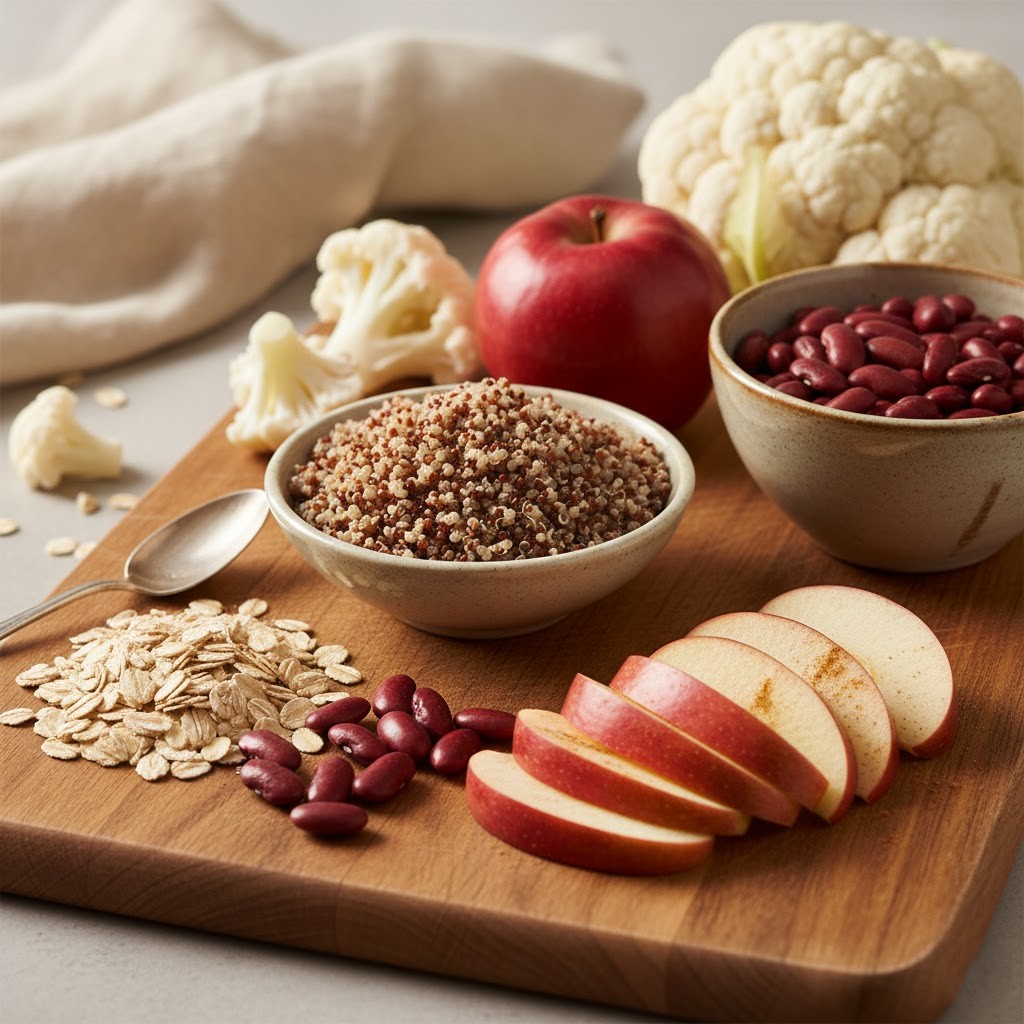
Fiber plays a major role in reducing waste buildup, easing the burden on your kidneys. Oats, quinoa, and cauliflower are excellent high-fiber options that fit into breakfasts, salads, and side dishes. For example, one cup of cooked oats offers about 4 grams of fiber, supporting smoother digestion and steady blood sugar levels. Apples bring additional benefits thanks to their antioxidants, which help reduce oxidative stress—a common issue for overworked kidneys.
Kidney beans also deserve attention. With roughly 8 grams of fiber per half-cup serving, they support digestive health and help regulate blood pressure, which is crucial for kidney function. Adding a handful of beans to soups, chili, or grain bowls gives you both nutrition and versatility. These whole ingredients naturally contain low levels of sodium—especially when you rinse canned beans before using them.
Lean proteins and healthy fats for kidney balance
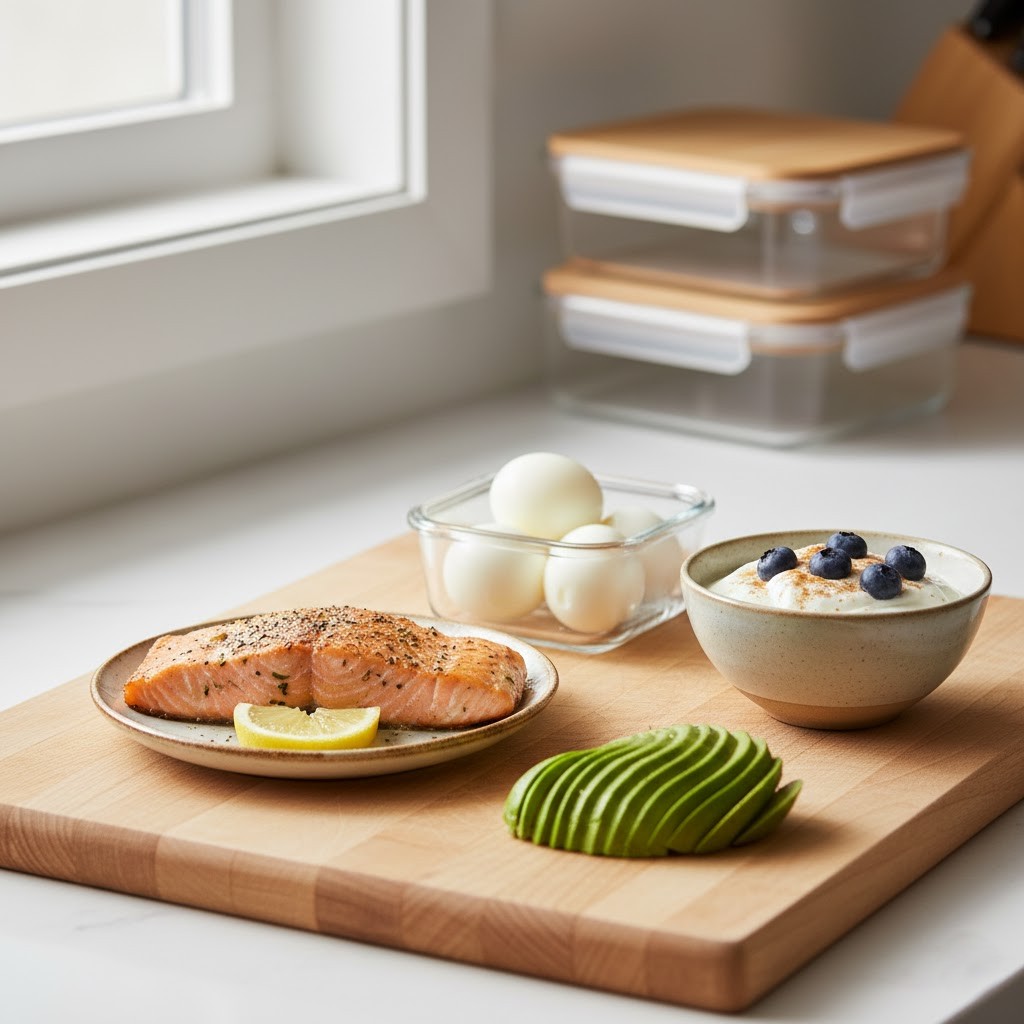
Protein quality matters when supporting kidney health. Eggs offer a complete amino acid profile without excess sodium, making them a dependable breakfast or snack. A large egg contains about 6 grams of protein and works well in meal-prep dishes like hard-boiled eggs or veggie scrambles. Yogurt, particularly unsweetened Greek yogurt, also provides steady protein and gut-friendly probiotics that support digestion.
Healthy fats play an equally important role. Avocados supply potassium and monounsaturated fats that support heart health. Although those monitoring potassium intake should adjust portions, half an avocado combined with leafy greens or whole grains can make a nutrient-dense meal. Salmon rounds out the list with omega-3 fatty acids, which help support cardiovascular health. A 4-oz serving of salmon contains about 1,500 mg of omega-3s, offering benefits without placing strain on the kidneys. Baking salmon at 400°F for about 12–15 minutes keeps preparation simple and nutritious.
How to Add Kidney-Friendly Foods to Your Routine

As you start incorporating these foods, small, realistic steps can help make the changes stick.
6 Simple Steps
- Begin your morning with oats topped with sliced apples or berries.
- Swap processed snacks for yogurt, nuts, or fresh fruit.
- Add quinoa or cauliflower rice as a side instead of salty packaged mixes.
- Prepare hard-boiled eggs for quick, protein-rich snacks.
- Enjoy salmon once or twice a week using simple herbs and lemon.
- Add kidney beans to homemade soups, salads, or burrito bowls.
Tips & Swaps
- Choose low-sodium or no-salt options whenever possible.
- Rinse canned beans for 20–30 seconds to reduce sodium.
- Pair high-potassium foods like avocados with lower-potassium meals if needed.
- Bake, grill, or steam foods instead of frying.
- Use herbs like parsley or rosemary instead of salt.
- Replace sugary yogurts with plain Greek yogurt and fresh fruit.
Frequently Asked Questions
- How often should I eat kidney-supportive foods?
Most people benefit from adding kidney-friendly foods to meals several times a week. Incorporating options like oats for breakfast, apples as snacks, or salmon for dinner helps create consistent habits. The goal is steady improvement, not perfection, and a gradual shift toward whole foods offers long-term benefits. - Are these foods safe for people with existing kidney issues?
Many of the foods listed are suitable for people with early kidney concerns, but portion sizes may need adjusting—especially for items higher in potassium, like avocados. Always talk with a healthcare provider or dietitian before making significant dietary changes if you have a known kidney condition. - Is high protein harmful for kidney health?
Large amounts of protein can strain the kidneys, especially when it comes from processed or high-sodium meats. Choosing moderate portions of lean proteins like eggs, yogurt, or baked salmon supports kidney health without overloading the system. Most adults do well with balanced protein intake throughout the day. - Can these foods prevent kidney disease?
While no food can guarantee prevention, eating nutrient-dense, low-sodium, fiber-rich ingredients can support overall kidney function. These habits may help reduce risk factors such as high blood pressure or inflammation. Think of these foods as part of a supportive lifestyle rather than a cure. - Are canned versions of these foods okay?
Canned foods like kidney beans or salmon can be convenient and affordable. Look for “no salt added” options and rinse ingredients like beans to remove extra sodium. This simple step can reduce sodium content by up to 40%, making them easier on your kidneys. - What drinks support kidney health?
Water remains the best choice for your kidneys. Herbal teas and infused water can also help you stay hydrated without added sugar. Limiting sugary sodas, energy drinks, and high-sodium broths protects your kidneys by reducing unnecessary filtering demands.
Start by choosing one or two kidney-supportive foods to add to your meals this week. Small, steady improvements can make a meaningful difference in how your body feels and functions.
Disclaimer: This content is for informational purposes only and is not a substitute for professional medical advice.

About Jane Smith
We turn solid evidence into everyday habits Americans can actually do—plain English, cups/oz, grocery-aisle swaps, and routines that fit real life. Our editorial process: Experience—we road-test tips in real schedules…