Daily Micro-Habits for Better Health
Building healthier routines doesn’t always require major lifestyle changes. In fact, the small choices you make every day—what you eat,...
Building healthier routines doesn’t always require major lifestyle changes. In fact, the small choices you make every day—what you eat, how much water you drink, and even how long you sleep—can quietly shape how energized and balanced you feel. This guide focuses on healthy daily habits that fit naturally into a busy American lifestyle, using simple foods and routines most people already have at home. These micro-habits take only a few minutes but can add meaningful support to your overall well-being.
Why Small Daily Habits Matter
Even minor habits can create a powerful foundation for long-term wellness. When repeated daily, they influence everything from energy levels to mood and digestion. This section explains why tiny behaviors are easier to maintain and how they add up over time.
👉 For a deeper dive into topics related to healthier, check out: Simple Daily Habits for a Healthier Lifestyle — it’s packed with practical tips.
How tiny choices shape long-term wellness
Small actions are easier to stay consistent with, and that consistency often matters more than intensity. For example, eating a single apple each morning may take less than two minutes, yet it adds fiber, hydration, and natural sweetness to your day. When habits are simple, they also require less willpower, which means you’re more likely to follow them even during busy weeks. Over a year, one small habit can stack into more than 350 moments of positive reinforcement for your body.
👉 For a deeper dive into topics related to popular, check out: How Long It Takes to Walk Off Popular Snacks — it’s packed with practical tips.
Consistency vs. intensity in daily routines
Big lifestyle overhauls often fail because they require dramatic time or energy shifts. But a consistent habit—such as drinking an extra glass of water at lunch or sleeping 30 more minutes per night—creates sustainable wellness without overwhelming your schedule. Studies consistently show that stable routines, even modest ones, have a stronger effect on well-being compared to short bursts of intense behavior. The key is choosing behaviors you can maintain 5–7 days a week without friction.
👉 Want to go further? Our complete breakdown of High-Fiber Foods to Add to Your Daily Meals walks you through boosting your fiber intake step by step.
Simple Daily Foods That Support Wellness
To make healthy habits easier, it helps to focus on readily available items at any US grocery store. Apples, almonds, lemons, and dates are easy to find, affordable, and pack nutrients that support your daily routine in small but meaningful ways.
Apple, almonds, lemon, and dates
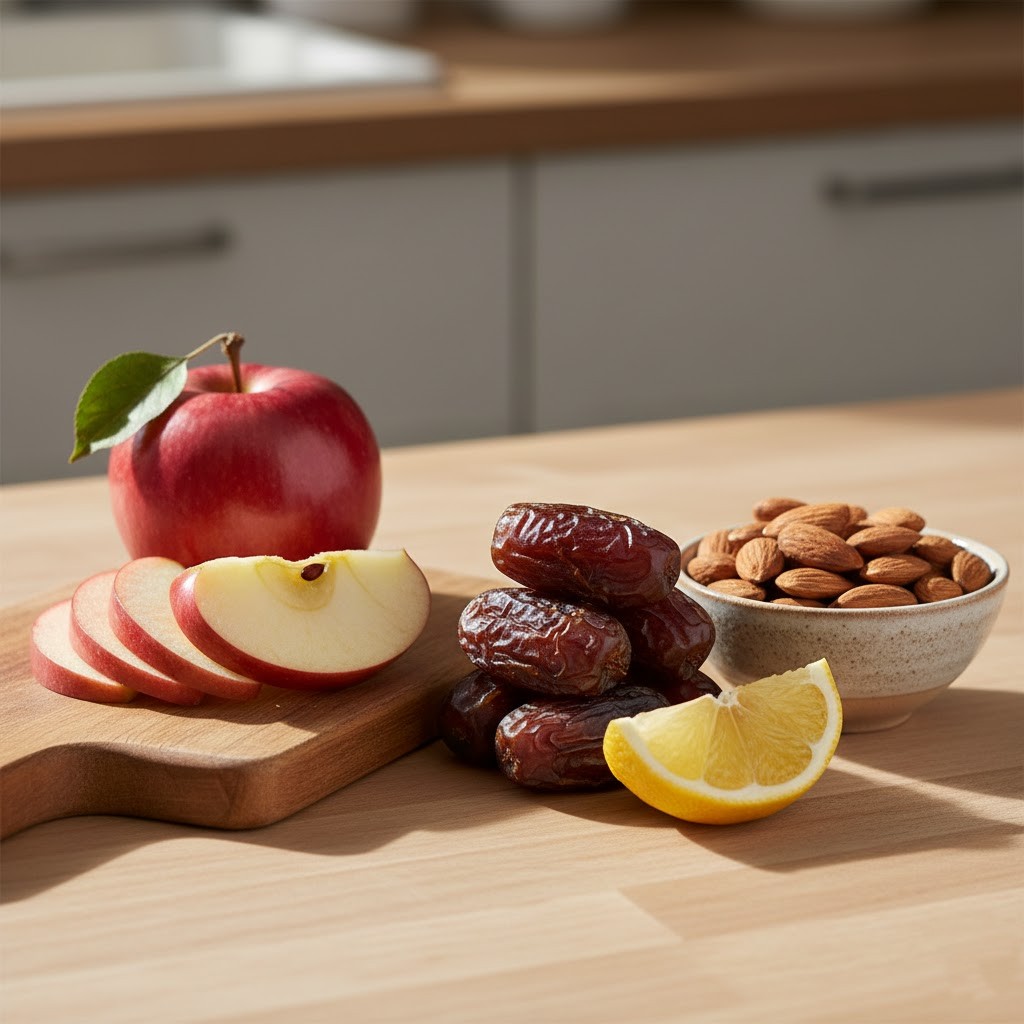
Eating one apple a day offers around 4 grams of fiber, which can support digestion without requiring major dietary shifts. Almonds provide healthy fats; even a small serving of four almonds adds vitamin E and plant-based fats that support skin and cognitive function. One slice of lemon added to water boosts flavor, making hydration easier, and offers vitamin C. Meanwhile, four dates can give you a quick source of natural energy during the mid-afternoon slump. All four foods are shelf-stable, easy to store, and simple to integrate into your routine.
Easy ways to add these foods to busy days
You don’t need recipes or prep time to use these foods. Keep apples in a fruit bowl on your counter so you see them daily—visual cues can raise follow-through by over 20%. Store almonds in a small 1-oz snack pack so you can toss them into your bag. Add a lemon wedge to your water bottle when packing lunch, which can make drinking water feel more refreshing. Dates can be stored in the pantry and enjoyed as a naturally sweet afternoon snack that replaces sugary treats without feeling restrictive.
Daily Hydration and Sleep Essentials
Once you’ve added simple foods to your routine, the next impactful micro-habits involve water intake and sleep. These non-negotiables help your body function smoothly throughout the day.
How much water most adults need
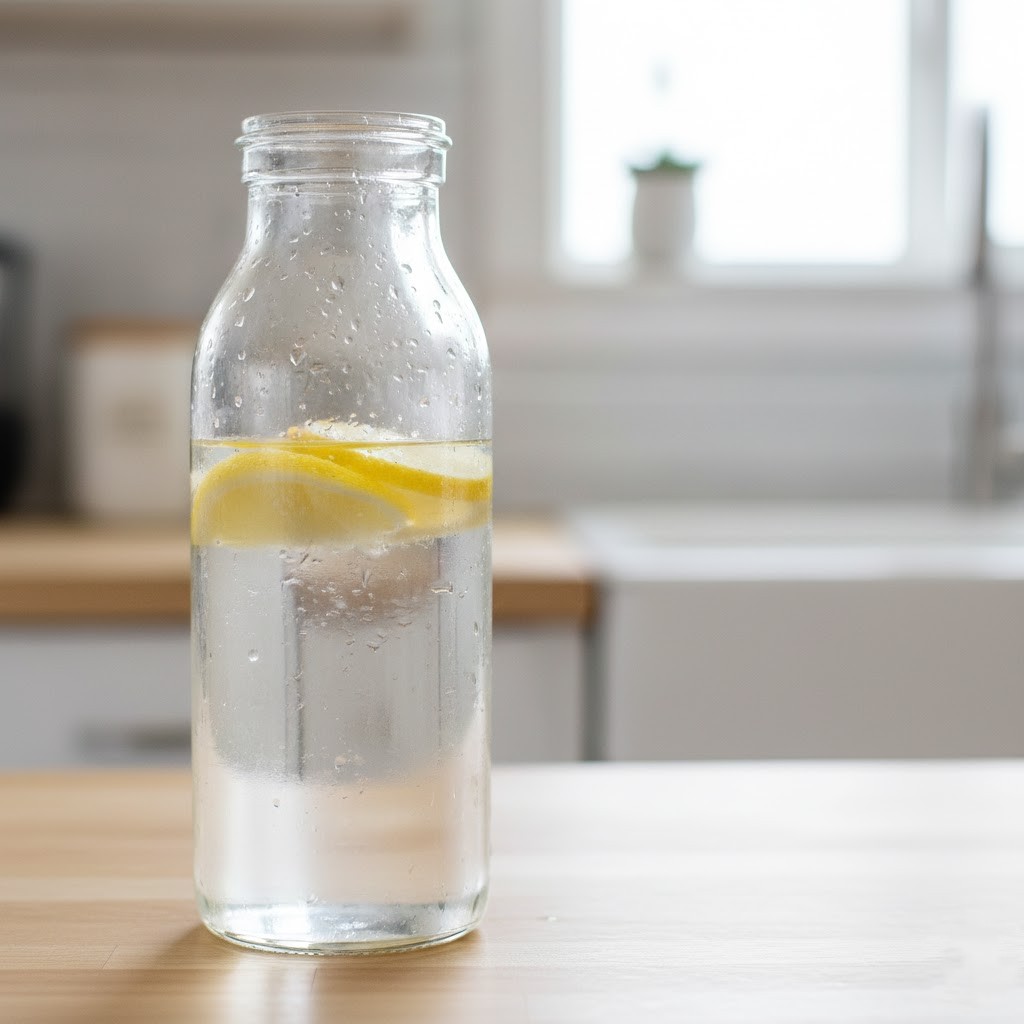
Most adults in the US benefit from drinking around 8 cups of water per day, though needs vary based on activity and weather. Instead of trying to meet this goal all at once, spread it out: drink one cup first thing in the morning, one at lunch, one mid-afternoon, and one at dinner. Using a 16-oz (473-ml) bottle can make tracking easier because you only need to fill it four times throughout the day. Adding lemon, cucumber slices, or a splash of electrolyte powder can make hydration more enjoyable without adding significant calories.
Why sleep boosts mood and recovery

Sleep plays a key role in daily energy, focus, and emotional balance. While individual needs vary, aiming for 7–8 hours per night gives your body time to repair tissues, regulate hormones, and reset mentally. Even small improvements—like reducing screen time in the last 30 minutes before bed or lowering your bedroom to around 68°F, which many sleep specialists recommend—can make nights more restful. Consistent sleep patterns can also support better daytime motivation and reduce the urge to rely on stimulants.
Building a Sustainable Daily Routine
As you explore these healthy daily habits, the goal is to create a routine that feels natural. This section focuses on how to make new habits stick without adding stress.
Start small and avoid overwhelm
Instead of trying to adopt five new habits at once, choose one or two that feel easiest right now. For example, you might start with drinking one extra cup of water per day and adding an apple to your breakfast. Once those feel automatic—usually after 3–4 weeks—you can layer in the next habit. This step-by-step method reduces burnout and helps you stay consistent during busy periods. When habits feel effortless, they also become more enjoyable.
Habit stacking for better follow-through
Habit stacking pairs a new behavior with something you already do automatically. For example, if you always make coffee in the morning, stack a glass of water right before you brew it. Or, if you check your phone before bed, stack setting an earlier alarm or placing your water bottle by your nightstand beside that moment. Using existing routines as anchors increases your chance of success because you’re not creating new patterns from scratch—you’re attaching healthy daily habits to familiar cues.
Tips to Stay Motivated
- Use a 16-oz water bottle to track daily hydration easily.
- Keep fruit visible on your counter to encourage daily snacking.
- Set a 5-minute evening routine to prepare for smoother mornings.
- Pair new habits with enjoyable activities, like music or podcasts.
- Celebrate small wins weekly to maintain motivation.
FAQs
- Are daily micro-habits really enough to improve my health?
Yes—small, consistent habits can make a noticeable difference because they’re easier to maintain long-term. While they won’t replace exercise or medical care, they can support digestion, hydration, and energy in practical, sustainable ways when repeated over months. - How long does it take for a daily habit to stick?
Many people begin to feel comfortable with a new habit after about three weeks, though full automaticity can take two to three months. The key is choosing habits that feel manageable so you can follow them regularly, even on busy days. - What if I can’t reach eight cups of water per day?
You don’t need to be perfect to benefit. Aim to gradually increase your intake, even by one or two cups. Some people prefer flavored or lemon-infused water, which can make hydration more enjoyable without adding significant sugar. - Can I substitute other foods for apples, almonds, or dates?
Absolutely. If apples aren’t your preference, berries or pears offer similar fiber benefits. Almonds can be swapped for walnuts or cashews. Dates can be replaced with raisins or dried apricots. Choose the foods that fit your taste and budget. - What if I struggle with getting 7–8 hours of sleep?
Try improving your sleep environment before adjusting your sleep schedule. Lowering your room temperature, dimming lights, or reducing caffeine after mid-afternoon may help. Small adjustments can gradually support better rest without major lifestyle changes.
Start with just one micro-habit today—whether it’s an apple, a glass of water, or five extra minutes of rest. Small steps build momentum, and your future self will thank you.
Disclaimer: This content is for informational purposes only and is not a substitute for professional medical advice.

About Mike Johnson
We turn solid evidence into everyday habits Americans can actually do—plain English, cups/oz, grocery-aisle swaps, and routines that fit real life. Our editorial process: Experience—we road-test tips in real schedules…