Top Foods High in Magnesium for Everyday Wellness
Magnesium is one of those quiet nutrients that doesn’t get much attention but plays a major role in how your...
Magnesium is one of those quiet nutrients that doesn’t get much attention but plays a major role in how your body feels each day. Many Americans fall short on magnesium without realizing it, which can affect energy, mood, and muscle comfort. The good news is that you can get more magnesium simply by choosing the right foods at the grocery store. This guide breaks down the best foods high in magnesium and gives practical ways to include them in your daily meals so you can support overall wellness without overhauling your routine.
Why Magnesium Matters for Your Health
As you start thinking about the foods high in magnesium, it helps to understand why this mineral is so important for daily life.
👉 Want to go further? Our complete breakdown of Habits Linked to Common Health Issues walks you through topics related to health step by step.
How magnesium supports energy, muscles, and mood
Magnesium helps regulate more than 300 enzyme reactions in the body, including those involved in producing energy. For example, without enough magnesium, your body has a harder time converting food into usable fuel. It also assists with muscle relaxation, which is why people sometimes notice tense or tight muscles when magnesium intake is low. Magnesium additionally plays a role in supporting mood and nervous system balance. While it’s not a cure-all, having enough magnesium from foods like almonds or edamame helps keep your body running smoothly in ways you may feel throughout your day.
👉 If you’re also working on topics related to equipment, our detailed guide on 10-Minute Core Burn Workout at Home (No Equipment) covers exactly what you need.
Common signs of low magnesium in everyday life
Many signs of low magnesium are subtle and easy to overlook. Some people may experience muscle twitches or occasional nighttime leg discomfort. Others notice daily fatigue that seems unrelated to sleep. While these symptoms can have many causes, magnesium shortfalls are surprisingly common—around 48% of Americans may not meet recommended intake levels. If you’ve been feeling “off” and can’t pinpoint why, paying closer attention to magnesium-rich foods can be a helpful first step before considering supplements or other changes.
👉 For a deeper dive into spotting nutrient deficiencies early, check out: Hidden Signs You May Be Low in Key Nutrients — it’s packed with practical tips.
Best Magnesium-Rich Foods to Add to Your Diet
Now that you know why magnesium matters, it’s time to look at the best foods high in magnesium that you can add to your regular meals.
Nuts and seeds (almonds, cashews, pumpkin seeds)
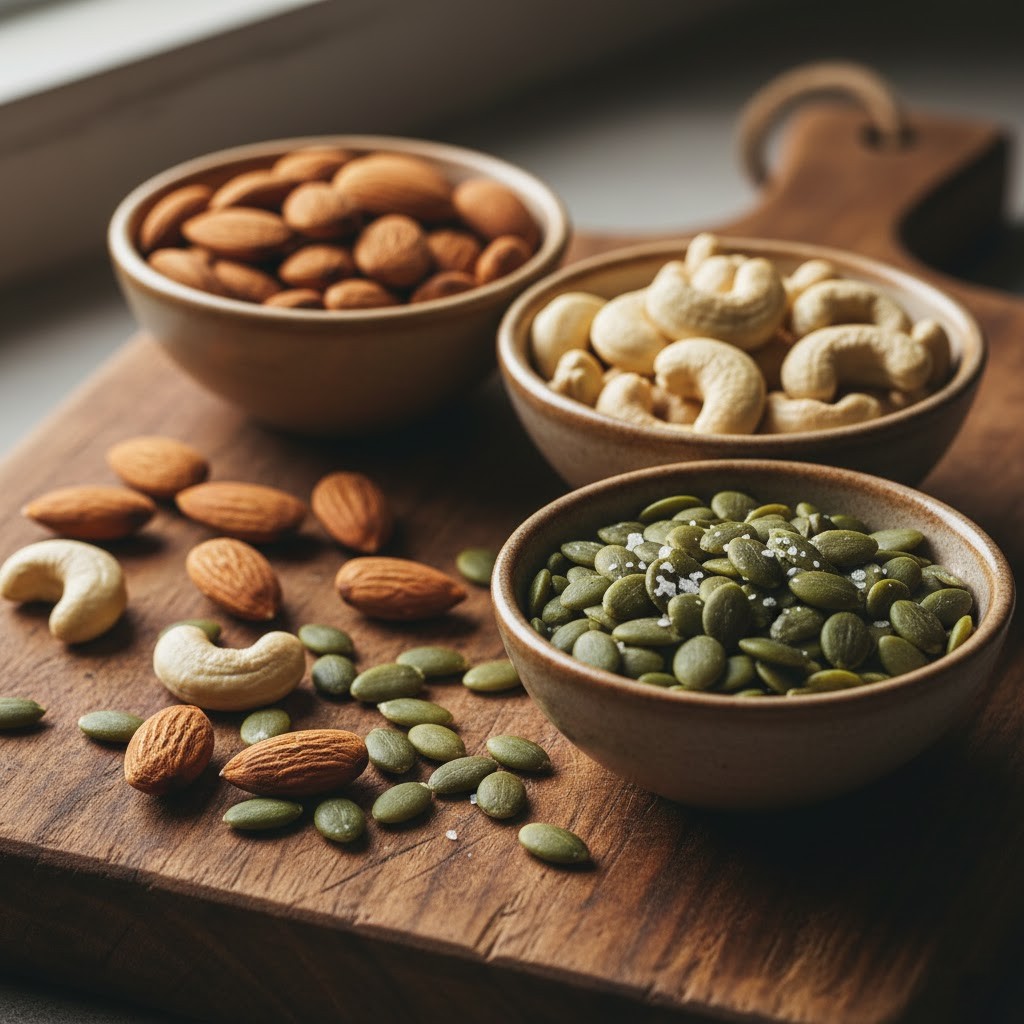
Nuts and seeds are among the most concentrated natural sources of magnesium. For instance, just 1 oz of pumpkin seeds provides about 168 mg of magnesium, which is a meaningful portion of the daily recommended intake. Almonds and cashews are also reliable choices, offering around 80–83 mg per 1 oz serving. These foods are easy to keep in your pantry, portion into snack bags, or toss onto yogurt or salads. Their healthy fats make them filling, and they’re convenient when you need something quick between meals.
Produce and legumes (spinach, edamame, black beans, avocado, banana)

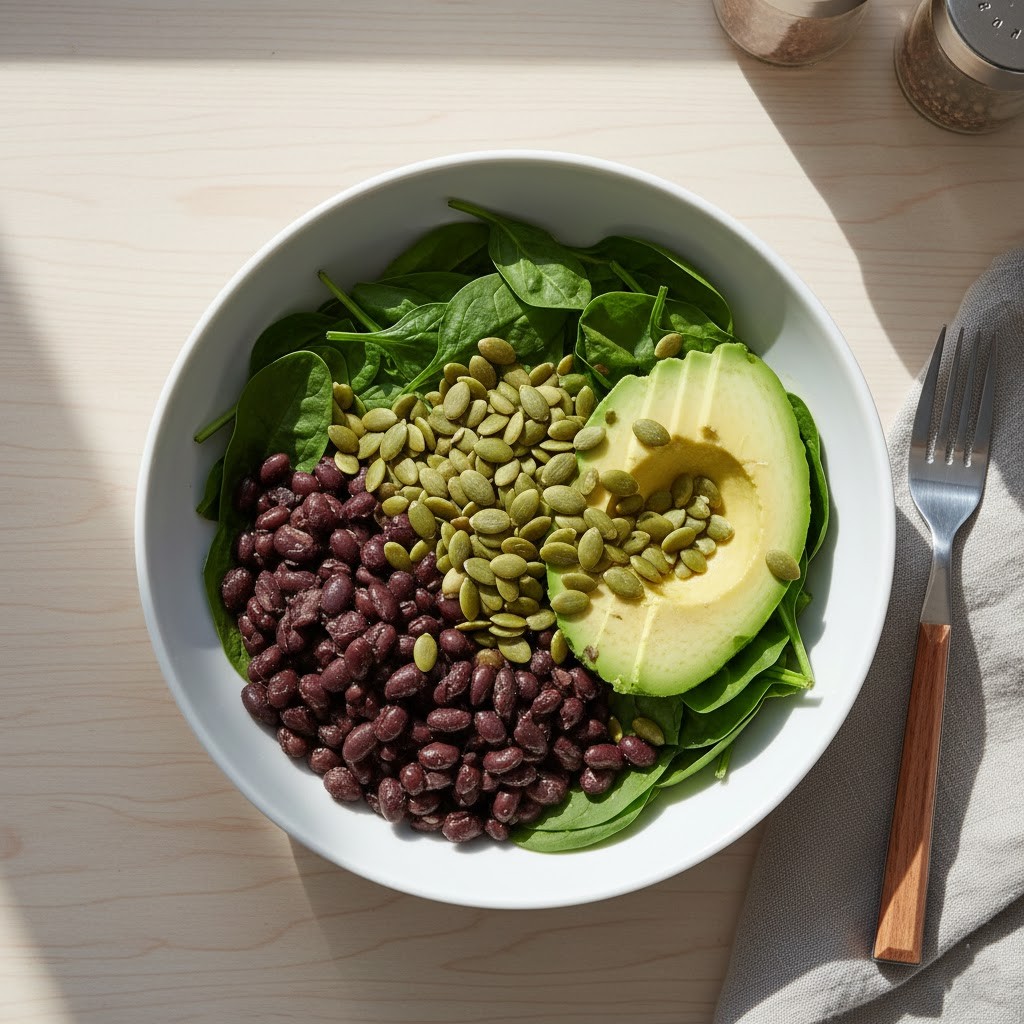
If you prefer foods from the produce section, there are plenty of magnesium-rich options. One cup of cooked spinach contains about 157 mg of magnesium—almost twice as much as a medium banana, which provides around 39 mg. Edamame is another solid choice, offering about 100 mg per cup. Legumes like black beans contribute about 120 mg per cup, making them great for burrito bowls, soups, or meal prep. Avocado adds around 65 mg per half fruit and is easy to use in sandwiches, grain bowls, or breakfast plates. Building meals around these foods helps boost magnesium naturally without relying on snacks alone.
Easy Ways to Increase Your Magnesium Intake
As you look through this list of foods high in magnesium, the next step is understanding how to incorporate them into your routine effortlessly.
Simple meal additions and swaps
Adding magnesium-rich foods doesn’t require complicated recipes. You can sprinkle 1–2 tbsp of pumpkin seeds onto oatmeal, yogurt, or salads for an extra 40–60 mg of magnesium. Swap standard lettuce for baby spinach in sandwiches or wraps to add roughly 20 mg per cup of raw leaves. Mixing half a cup of black beans into rice or quinoa adds around 60 mg and boosts fiber. These tiny swaps, when repeated throughout the week, help you steadily build better magnesium intake.
Budget-friendly options for busy schedules
Keeping magnesium-rich foods on hand doesn’t have to be expensive. A can of black beans usually costs less than $1 and provides multiple servings, each with over 100 mg of magnesium. Frozen spinach is budget-friendly and lasts longer than fresh, offering the same nutrition for a fraction of the cost. Buying nuts in bulk can reduce price per ounce, and bananas remain one of the most affordable sources of magnesium in the produce aisle. These choices make it easier to support wellness even when time and budget are tight.
Tips for Shopping and Storing Magnesium-Rich Foods

Once you know what to buy, the next step is choosing high-quality items and keeping them fresh.
How to choose fresh, nutrient-dense items
When buying leafy greens like spinach, look for crisp, vibrant leaves without yellowing. Fresh edamame should feel firm and come in bright green pods, while avocados should give slightly when gently pressed. Nuts and seeds are most nutrient-dense when they’re raw or dry-roasted without added sugars. Black beans are equally nutritious whether purchased canned or dried, but canned options save time and require less prep.
Storage tips to preserve flavor and nutrients
Proper storage helps prevent waste and keeps your foods tasting their best. Nuts and seeds store well in airtight containers and last longer when kept in the fridge. Bananas ripen quickly at room temperature, so consider refrigerating them once ripe to extend freshness. Frozen spinach is a great backup when fresh bunches wilt too fast. Edamame can stay frozen until you’re ready to steam it, making it an easy addition to bowls or stir-fries throughout the week.
When to Talk to a Healthcare Professional
As you boost intake of foods high in magnesium, there may be times when expert guidance is useful.
Situations where guidance may be helpful
If you consistently experience muscle cramps, extreme fatigue, or digestive concerns, talking with a healthcare provider can help determine whether magnesium or another factor is involved. Those with chronic health conditions, including kidney concerns or certain digestive disorders, may have different magnesium needs. A provider can offer individualized guidance based on your health history, especially if symptoms persist after dietary adjustments.
Safe ways to approach supplements
Supplements can be helpful for some individuals, but it’s important not to self-prescribe high doses. For example, some magnesium supplements can cause digestive upset if used in excess. A healthcare professional can help you choose a safe, appropriate form and dosage if supplements make sense for your situation. Most people can meet their needs through food first, which is generally safer and easier for the body to process.
FAQs
- How much magnesium do most adults need each day?
Most adults need between 310–420 mg of magnesium per day, depending on age and sex. Many people fall short, but adding foods like nuts, legumes, and leafy greens can help meet these levels without supplements. - Are magnesium-rich foods better than supplements?
For many people, foods high in magnesium offer a gentler approach because your body absorbs nutrients gradually. Supplements can be useful but may cause digestive discomfort when taken in large doses. A food-first approach is generally recommended unless advised otherwise. - Can magnesium-rich foods help with muscle cramps?
Some people notice improvements when they increase magnesium intake, especially if they were not getting enough before. However, muscle cramps can have multiple causes, including hydration and activity levels, so results vary from person to person. - How can I tell if I’m eating enough magnesium?
You may notice more steady energy or fewer muscle twitches once magnesium intake improves, but the best way to know is by looking at your daily diet. Tracking food for a few days can help you see whether you’re consistently eating magnesium-rich foods. - Are canned vegetables or beans still good magnesium sources?
Yes—canned black beans, spinach, and other vegetables still contain meaningful magnesium amounts. Just look for low-sodium options and drain or rinse beans for a cleaner taste and lower sodium.
Tips & Swaps
- Add pumpkin seeds to oatmeal or salads for fast magnesium.
- Use spinach instead of iceberg for higher nutrients.
- Keep canned beans ready for quick meals.
- Buy nuts in bulk to save money.
- Freeze ripe bananas for smoothies.
- Choose dry-roasted nuts without added sugar.
Want more simple nutrition guides like this? Explore our latest wellness tips to make everyday eating easier, healthier, and more enjoyable.
Disclaimer: This content is for informational purposes only and is not a substitute for professional medical advice.

About Sarah Williams
We turn solid evidence into everyday habits Americans can actually do—plain English, cups/oz, grocery-aisle swaps, and routines that fit real life. Our editorial process: Experience—we road-test tips in real schedules…