Foods That Help Reduce Frequent Urination
Frequent urges to use the bathroom can disrupt sleep, travel, work, and daily comfort. While many factors can contribute to...
Frequent urges to use the bathroom can disrupt sleep, travel, work, and daily comfort. While many factors can contribute to bladder urgency, the foods you eat play a surprisingly important role. Some foods overstimulate the bladder, while others help calm irritation and support more consistent bladder function. This guide highlights foods that may help reduce frequent urination naturally, along with simple habits that make a real difference for US readers trying to manage this issue gently and effectively.
Why Certain Foods Affect Bladder Frequency
Understanding why some foods make you urinate more often is the first step to choosing options that truly support your bladder. Even small dietary adjustments can create noticeable improvements within a few days.
👉 Want to go further? Our complete breakdown of Foods to Avoid for Common Health Concerns walks you through topics related to concerns step by step.
How hydration balance can calm or irritate the bladder
Your bladder responds directly to changes in hydration, sodium levels, and the concentration of electrolytes. Drinking too little water can make urine more concentrated, which often causes more irritation and more frequent urges. On the other hand, drinking excessive fluids—especially within a short time—can overwhelm the bladder. A balanced approach works best for most people. For example, sipping about 6–8 cups of water throughout the day instead of chugging large amounts at once allows the bladder to process fluids gradually. This steady intake reduces the pressure spikes that often trigger urgency.
👉 For a deeper dive into topics related to equipment, check out: 10-Minute Core Burn Workout at Home (No Equipment) — it’s packed with practical tips.
Common dietary triggers that increase urgency
Certain foods and drinks act as bladder irritants for many people. Caffeine, alcohol, artificial sweeteners, citrus juices, and spicy foods are among the most common triggers. These items can stimulate the bladder lining or increase urine production, leading to more trips to the bathroom. For example, even 1 cup of coffee can be enough to noticeably increase urgency in people with sensitive bladders. Keeping a simple food journal—listing what you eat and when urgency increases—can help identify your personal triggers within a week.
👉 This pairs well with our Body Warning Signs You Shouldn’t Ignore guide if you want the full picture on reading your body’s signals.
Best Foods to Help Reduce Frequent Urination
Once you understand what irritates the bladder, focusing on soothing foods becomes much easier. Choosing the right foods can support bladder comfort without sacrificing flavor or nutrition.
Low-acid fruits and gentle hydration options
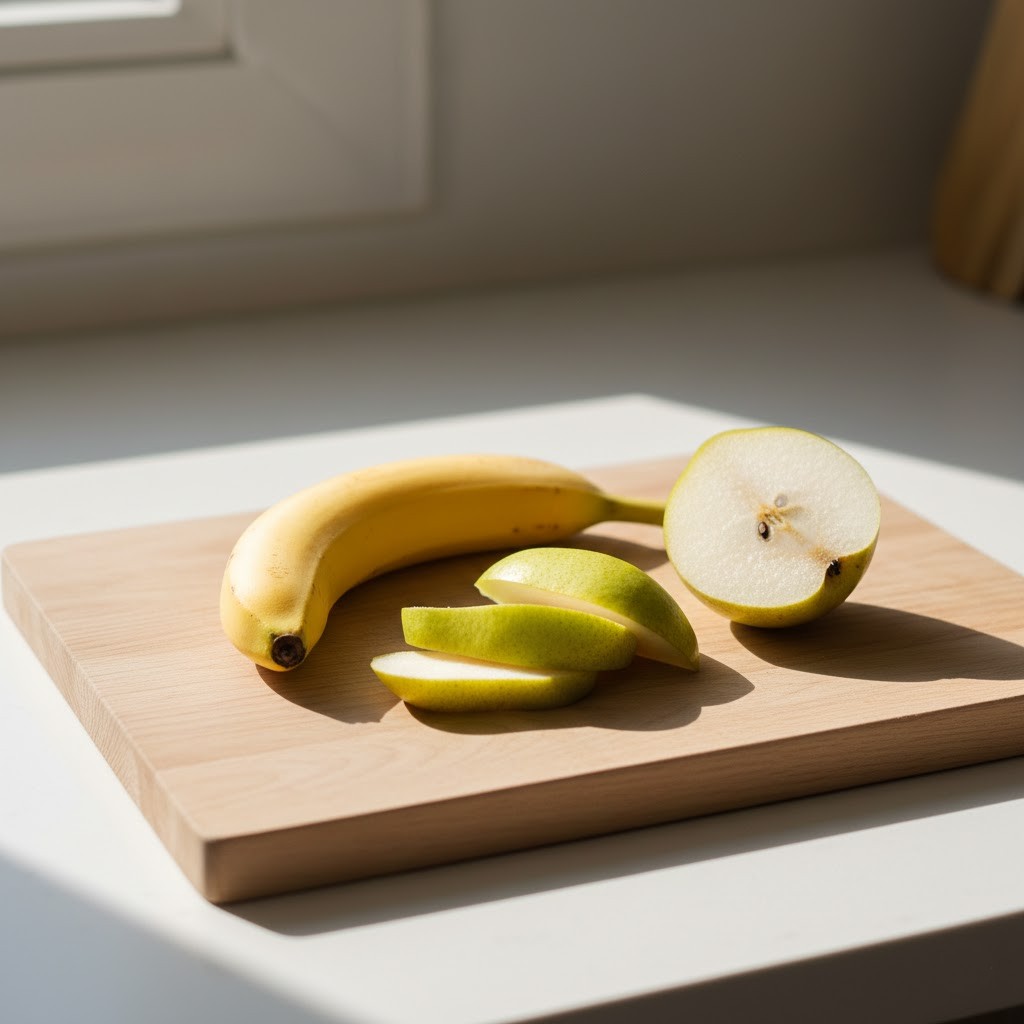
Low-acid fruits like pears and bananas are popular choices for people managing bladder frequency because they provide hydration and essential nutrients without irritating the bladder lining. Pears are naturally low in acidity and contain fiber that supports steady digestion, which reduces abdominal pressure on the bladder. Bananas offer potassium, which supports fluid balance and prevents overstimulation. Hydrating foods like cucumbers also help you stay refreshed without overwhelming the bladder. Eating half a cucumber or one medium pear as a daily snack is a simple way to add these soothing foods into your routine.
Nutrient-dense foods that support bladder muscles

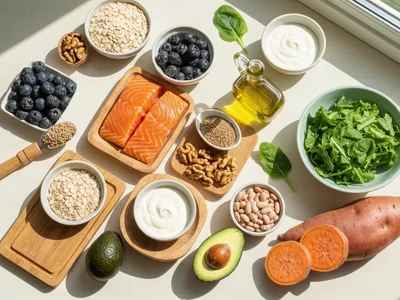
Some foods contain minerals that support muscle relaxation and bladder control. Pumpkin seeds, for instance, supply zinc—an essential nutrient for urinary health. Studies highlight zinc’s role in supporting normal bladder function and reducing nighttime urges. Sweet potatoes provide magnesium, a mineral known to help relax muscles. Many Americans fall short on magnesium, and adding just ½ cup of baked sweet potato to dinner can provide meaningful support. Barley water, long used as a gentle wellness drink, supports smooth hydration without adding acidity or irritation.
Simple Eating Habits for Better Bladder Comfort
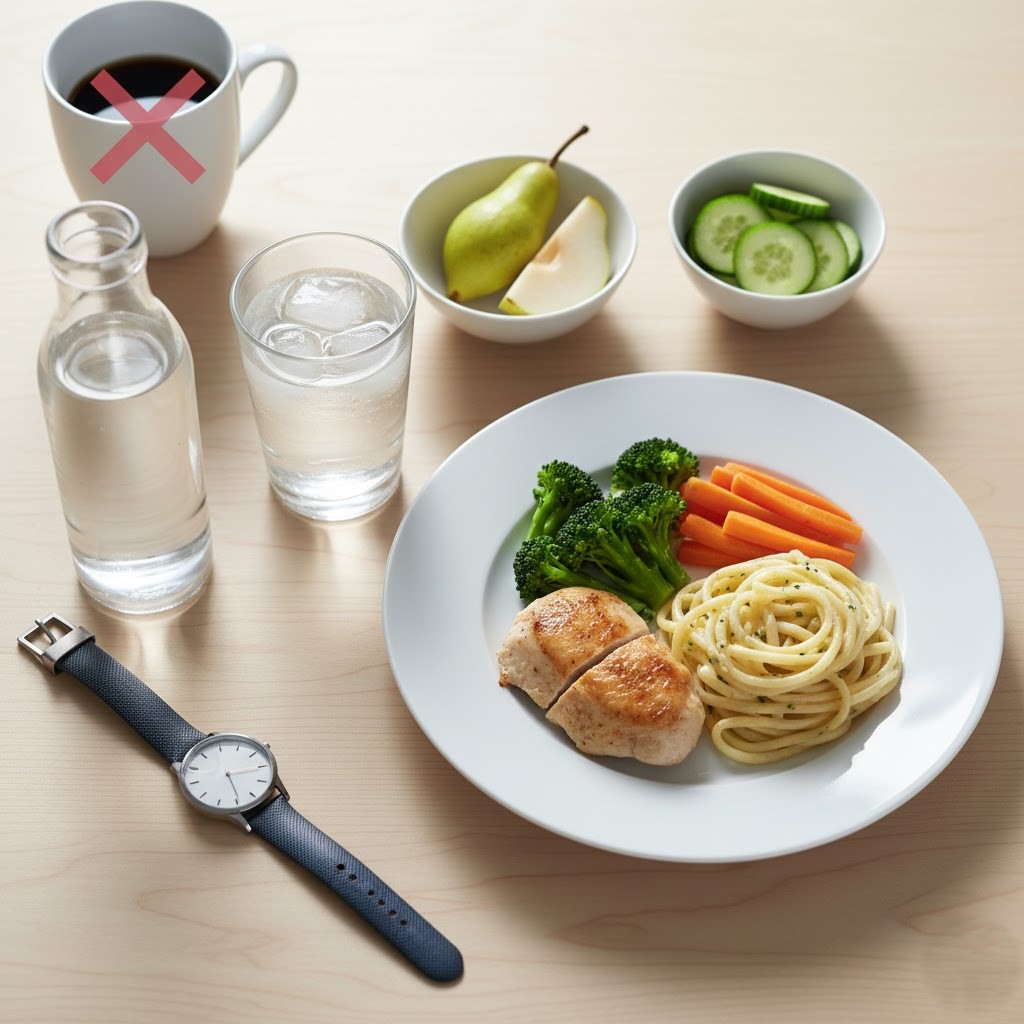
Beyond individual foods, everyday eating habits have a major impact on how often you feel the urge to urinate. These small patterns can reduce discomfort significantly over time.
Timing fluids for fewer nighttime trips
Nighttime urination—known as nocturia—is especially bothersome for many adults. Adjusting when you drink fluids can make a difference within a few nights. A helpful strategy is to front-load hydration earlier in the day—aiming for most of your water intake before 6 p.m. For example, drinking 1 cup of water every hour between 9 a.m. and 3 p.m. keeps you hydrated without packing fluids too close to bedtime. Avoiding caffeine and alcohol after lunch can further reduce nighttime frequency because these beverages act as diuretics and bladder irritants.
Everyday choices that reduce irritation
Simple adjustments can keep the bladder calmer throughout the day. Choosing non-acidic fruits, limiting spicy dishes, and moderating carbonated drinks are all gentle strategies. For example, swapping tomato-based sauces for creamy alternatives once or twice a week can noticeably reduce irritation for people with sensitive bladders. Cooking meals at home using whole ingredients gives you better control over spices, acidity, and additives. Even limiting artificial sweeteners—found in diet sodas and sugar-free snacks—can reduce urgency within a few days.
When to Seek Professional Guidance
Even with helpful dietary changes, some people continue to struggle with frequent urination. Knowing when to consult a provider ensures you get the care and evaluation you need.
Signs your symptoms need medical attention
While diet contributes to bladder comfort, persistent symptoms may signal an underlying issue. You should speak with a healthcare provider if you notice burning sensations, blood in your urine, fever, pelvic pain, or sudden increases in urgency. For example, urinating more than eight times a day with discomfort may indicate an infection or another medical condition. If symptoms interrupt sleep three or more nights a week, that also warrants evaluation.
How diet fits into a long-term bladder-health plan
Diet is just one piece of bladder care, and it works best alongside other healthy habits. Healthcare providers may recommend pelvic-floor exercises, bladder training techniques, or evaluations for conditions like overactive bladder. A well-balanced diet supports these strategies by reducing unnecessary irritation. For example, pairing daily pelvic-floor work with bladder-calming foods like bananas, pumpkin seeds, and cucumbers can help create more predictable bladder patterns over time.
Tips & Swaps for Everyday Meals
- Choose pears or bananas instead of citrus fruits.
- Use cucumbers for hydration instead of sugary drinks.
- Swap spicy meals for mild, herb-seasoned dishes.
- Replace coffee with herbal tea once per day.
- Choose whole foods over processed snacks with artificial sweeteners.
- Eat magnesium-rich foods like sweet potatoes regularly.
FAQs
- What foods are most helpful for reducing frequent urination?
Foods that are low in acidity and naturally calming to the bladder—such as pears, bananas, cucumbers, pumpkin seeds, and sweet potatoes—tend to work best. These foods provide hydration and nutrients without irritating the bladder lining. Many people notice improvements within a week of consistently adding these options to meals and snacks. - Which foods should I avoid if I’m dealing with bladder urgency?
Common triggers include caffeine, alcohol, spicy foods, citrus fruits, tomato-based products, and artificial sweeteners. These items may overstimulate the bladder or irritate the bladder lining. Reducing these foods for at least 7–10 days can help you identify whether they contribute to your symptoms. - Can drinking more water reduce frequent urination?
It seems counterintuitive, but drinking steady, moderate amounts of water throughout the day can help reduce urgency. Concentrated urine irritates the bladder, so sipping 6–8 cups daily—rather than chugging large amounts at once—keeps hydration balanced and supports bladder comfort. - Are there supplements that help with bladder frequency?
Some people use magnesium, pumpkin seed extract, or herbal blends designed for urinary support. While these may help, it’s important to choose reputable brands and talk with a healthcare provider first. Supplements should complement—not replace—healthy eating habits. - When should I see a doctor about frequent urination?
Seek medical attention if you notice pain, burning, fever, blood in urine, sudden changes in urgency, or nighttime trips that interrupt sleep regularly. These symptoms may indicate an infection or other condition that requires evaluation.
If bladder urgency is affecting your daily comfort, start with a few simple food swaps today. Small changes can make a meaningful difference, and your bladder will thank you.
Disclaimer: This content is for informational purposes only and is not a substitute for professional medical advice.

About Jane Smith
We turn solid evidence into everyday habits Americans can actually do—plain English, cups/oz, grocery-aisle swaps, and routines that fit real life. Our editorial process: Experience—we road-test tips in real schedules…