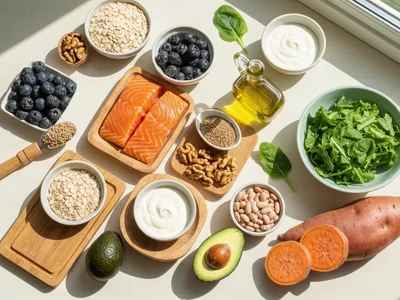
Natural Foods That May Help Common Everyday Discomforts
Everyday discomforts—like restless nights, morning sluggishness, or a tired-looking complexion—can make busy routines feel even more challenging. While these issues...
Everyday discomforts—like restless nights, morning sluggishness, or a tired-looking complexion—can make busy routines feel even more challenging. While these issues are common for many Americans, small supportive habits can still make a meaningful difference. Some people find that adding simple, natural foods to their routine helps them feel more balanced and comfortable. In this guide, we’ll explore approachable, food-based options that fit easily into a US lifestyle, while keeping expectations realistic and grounded.
Simple Food Choices That Support Better Sleep

As we transition into the evening, certain foods may help the body unwind more smoothly. Below are two natural options that many people integrate into their nighttime routine for a calmer, more comfortable night.
👉 If you’re also working on topics related to support, our detailed guide on Foods That Support Your Body: A Simple Guide covers exactly what you need.
A spoonful of raw honey before bed
Raw honey offers a naturally sweet way to wind down at night. Some people use 1 tbsp of raw honey as part of their bedtime routine because it provides an easy source of carbohydrates. When your body takes in a small amount—around 60 calories—it may help support stable nighttime energy. For example, many people notice that they wake up less frequently when using honey consistently for a week or so. Honey also pairs well with soothing herbal teas, creating a ritual that signals “time to relax” after a long day.
👉 Want to go further? Our complete breakdown of 10-Minute Core Burn Workout at Home (No Equipment) walks you through topics related to equipment step by step.
How a banana may help calm the mind at night
A medium banana provides around 105 calories and contains roughly 420 mg of potassium. This mineral plays a role in normal muscle and nerve function, making bananas a simple choice for people who feel wired or over-stimulated before bed. Some individuals eat a banana 30 minutes before turning off the lights to help slow down racing thoughts. The natural carbohydrates may also help the body shift into a calmer state, especially after a day packed with deadlines, commuting, and screen time—common realities for many Americans.
👉 If you’re also working on reading your body’s signals, our detailed guide on Body Warning Signs You Shouldn’t Ignore covers exactly what you need.
Gentle Remedies That Support Morning Comfort

Moving from evening calm to morning comfort, certain warm beverages and nutrient-dense foods can help start the day with more ease. This next section focuses on two traditional options that may fit nicely into a US morning routine.
Warm ajwain water and digestive ease
Though ajwain (carom seeds) isn’t a standard US pantry item, many Americans now find it easily at international grocery stores or online retailers. A warm cup—about 8 oz—of ajwain water after dinner may help support natural digestion. Many people prepare it by simmering ½ tsp of seeds for 3–4 minutes. When used consistently for several days, some notice less morning heaviness or occasional discomfort. The warmth itself can also play a role, acting similarly to herbal teas or warm lemon water in gently preparing the digestive system for the day.
Chia seed water for morning energy
Chia seeds have become extremely popular across US grocery chains, from Costco to local co-ops. When soaked overnight—1 tbsp in about 10–12 oz of water—chia forms a gel-like texture that many people enjoy first thing in the morning. This mixture provides fiber, hydration, and a touch of natural energy. For example, a single tablespoon of chia contains around 5 grams of fiber, making it an easy addition for people who want a steadier morning without relying solely on coffee. Some also add a squeeze of lemon for flavor and brightness.
Nourishing Options for Healthier-Looking Skin
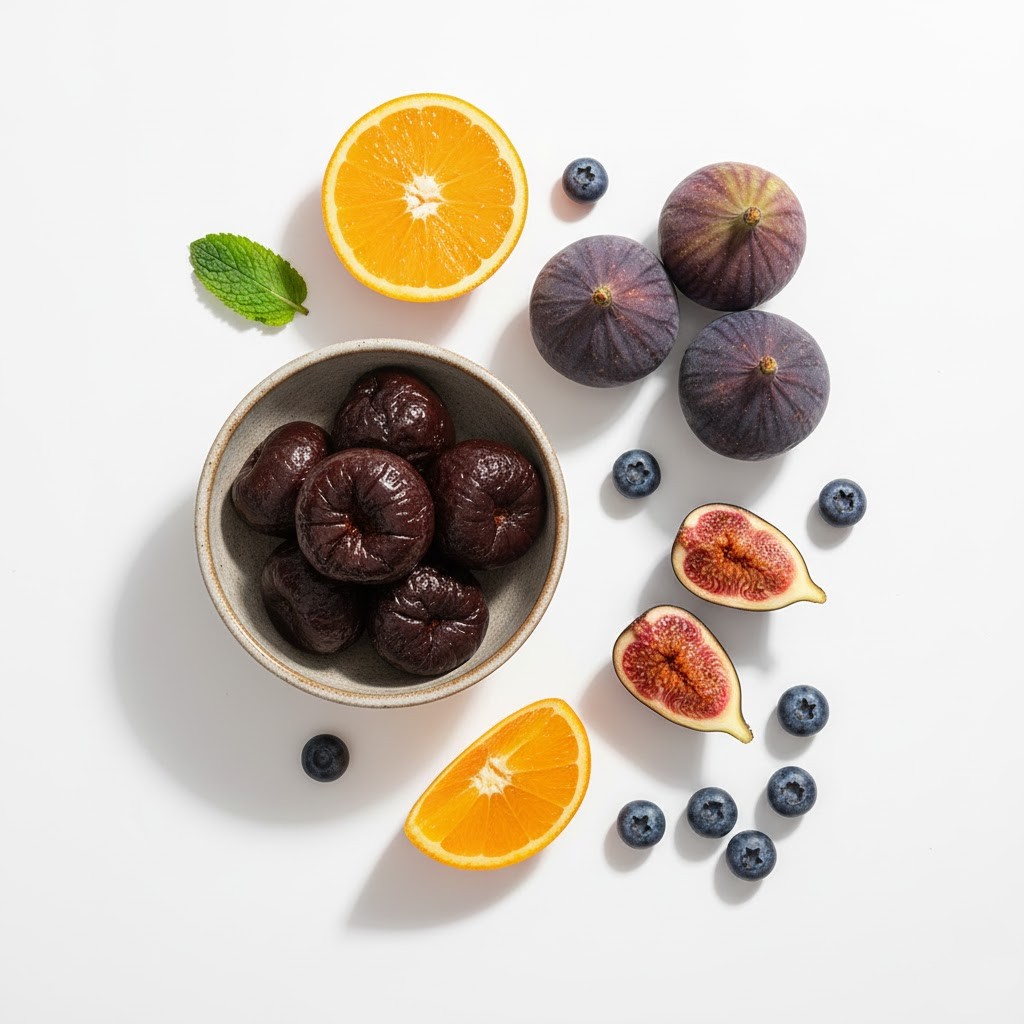
Shifting from internal comfort to outward appearance, certain foods may complement a skincare routine by supporting hydration and gentle nourishment from within.
How soaked figs may support skin appearance
Figs are naturally sweet and rich in fiber, with one medium fig offering about 30 calories. Some people soak a fig overnight and eat it after dinner to create a small, nutrient-focused ritual. The hydration from soaking may contribute to improved moisture intake, and the fruit’s natural antioxidants are sometimes used by individuals looking to support overall skin appearance. For instance, people often report that after adding figs to their routine for 7–10 days, their skin appears less dull in the mornings. While figs aren’t a magic solution, they can be a comforting part of a more mindful evening diet.
Building a skin-friendly routine with food habits
Beyond figs alone, pairing them with a balanced diet may provide more noticeable results. Many Americans find that combining soaked figs with daily hydration—at least 8 cups of water—and meals that include produce like berries, leafy greens, or citrus helps create a more radiant look. Keeping sugar intake moderate and choosing whole foods several times a week can also support the body’s natural processes. For example, replacing a late-night processed snack with a single soaked fig can be a small step toward more skin-friendly habits.
Steps to Start Using These Comfort-Focused Foods
- Identify one area you want to support—sleep, digestion, energy, or skin.
- Choose just one food from this list to try first for 5–7 days.
- Use US-friendly measurements: 1 tbsp honey, 1 banana, 8 oz warm water, etc.
- Track how you feel each morning or evening in a small notebook.
- Adjust portion size slowly; avoid adding multiple foods at once.
- Prepare items ahead of time (e.g., chia seeds soaked overnight).
- Purchase ingredients from familiar US stores to keep it simple.
- Review progress weekly and discontinue anything that doesn’t feel supportive.
Tips & Swaps
- Swap honey for warm chamomile tea if you prefer lower sugar.
- Use lemon water instead of ajwain water when sourcing is difficult.
- Add chia seeds to smoothies if you dislike gel textures.
- Choose dried figs if fresh figs are out of season.
- Eat bananas with peanut butter for extra staying power.
- Use filtered warm water for the best flavor experience.
FAQs
- How quickly can these natural foods show noticeable effects?
Most people who try these options report subtle changes within 5–10 days, depending on consistency. These foods work best as supportive habits rather than quick fixes. Establishing a routine—such as honey before bed or chia water in the morning—helps you track your own response more clearly. - Are these foods safe to use every day?
For most people, these are everyday foods commonly eaten across the US. However, individual needs vary. For example, those monitoring blood sugar may need caution with honey or figs. It’s generally best to start with small amounts and adjust based on how you feel. - Where can I buy ajwain seeds in the US?
Ajwain seeds are commonly found in South Asian or Middle Eastern grocery stores. They’re also widely available online through major retailers. If you prefer not to purchase them, a warm herbal tea can serve as a simple alternative with a similar soothing effect. - Can I mix several of these foods together in one day?
Yes, but it’s often more helpful to introduce them one at a time. This makes it easier to notice which food supports your needs best. For example, try honey for sleep during week one, then add chia seed water the following week. - Do I need to soak figs overnight for them to be effective?
Many people enjoy the softer texture of soaked figs, but it isn’t mandatory. Soaking simply increases hydration and makes the fruit gentler to digest. If you prefer fresh figs, they can offer similar supportive nutrients.
If you’re curious about how natural foods can fit into your daily routine, start with just one small change this week. Simple, steady habits often lead to the most meaningful comfort over time.
Disclaimer: This content is for informational purposes only and is not a substitute for professional medical advice.

About Sarah Williams
We turn solid evidence into everyday habits Americans can actually do—plain English, cups/oz, grocery-aisle swaps, and routines that fit real life. Our editorial process: Experience—we road-test tips in real schedules…