Simple Habits for Steady All-Day Energy
Maintaining steady energy throughout the day can feel challenging, especially when work, family responsibilities, and daily errands stack up. Many...
Maintaining steady energy throughout the day can feel challenging, especially when work, family responsibilities, and daily errands stack up. Many Americans rely on coffee refills or sugary snacks to push through the afternoon slump, but these quick fixes rarely last. This guide focuses on simple, sustainable habits that support steady all-day energy without making extreme lifestyle changes. By understanding what drains your energy and learning how to build routines around nutrition, movement, and rest, you can boost daily vitality in a realistic, long-term way.
Why Energy Often Drops Midday
Even with the best intentions, a midday crash is common. This section explains how daily habits, sleep quality, and stress can disrupt your ability to maintain steady energy levels.
Lifestyle habits that drain energy
Daily routines have a strong influence on how your energy rises and falls. For example, skipping breakfast or relying on refined carbohydrates—like pastries or sweetened coffee drinks—may cause your blood sugar to spike and crash within 2–3 hours. Many people also go long stretches without water; even mild dehydration of just 1–2% can reduce alertness. Sitting for extended periods, such as working at a desk for more than 90 minutes without moving, may also cause sluggishness. These common habits create an inconsistent fuel supply for your body, making it harder to stay energetic through the afternoon.
How poor sleep and stress add up
Sleep is one of the biggest predictors of stable energy. Getting less than 7 hours of sleep—common for many US adults—affects cognitive function, blood sugar stability, and mental focus. Stress adds an additional burden by releasing cortisol, which can fluctuate throughout the day and contribute to fatigue when levels remain high. For example, checking work emails right before bed or scrolling on bright screens after 10 p.m. can disrupt melatonin production. Over time, a cycle of poor sleep and high stress creates predictable midday dips. Understanding these root causes helps you build habits that prevent burnout rather than react to it.
Daily Habits That Maintain Steady Energy
After understanding why slumps happen, it becomes easier to adopt habits that support consistent energy throughout your day.
Smart nutrition choices for sustained fuel

Food plays a major role in maintaining steady daily energy. Choosing balanced meals with protein, fiber, and healthy fats helps slow digestion and keep blood sugar more stable. A breakfast with 15–25 g of protein—such as eggs, Greek yogurt, or a peanut butter smoothie—can give you lasting morning energy. Snacks like apples with almond butter or hummus with whole-grain crackers provide steady fuel without heavy crashes. Hydration is equally important: aim for at least 8 cups of water daily, adjusting based on activity and weather. Small shifts in the foods you eat, especially earlier in the day, can help prevent that familiar afternoon slump.
Light movement and routines that support alertness

Your energy often mirrors your physical activity. Short bursts of movement can improve circulation and alertness, even if they only last 3–5 minutes. For example, standing and stretching once every 60–90 minutes helps counteract the sluggishness caused by prolonged sitting. A morning walk—just 0.5–1 mile—can prime your metabolism and stabilize your energy rhythm for the day. Many people also benefit from “movement snacks” such as marching in place, shoulder rolls, or a quick set of body-weight squats. These simple activities help stimulate oxygen flow and refresh both your brain and body.
Easy Lifestyle Adjustments for Better Focus
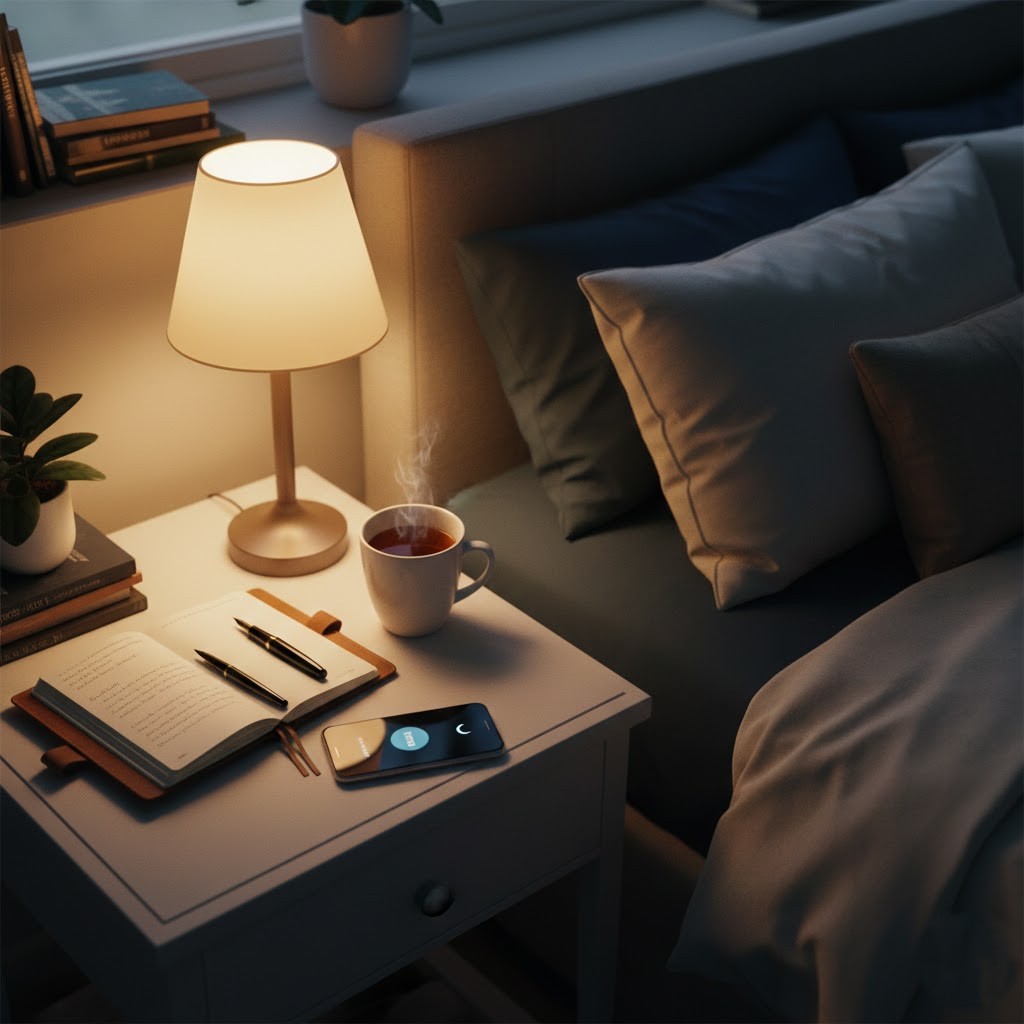
Once your eating and movement habits are aligned, small lifestyle adjustments can help keep your energy steady while improving mental clarity.
Managing screen time and mental clutter
Screens are a major source of fatigue in modern American life. Blue light from computers and phones can strain your eyes, leading to headaches and mental exhaustion. Following the 20-20-20 rule—every 20 minutes, look 20 feet away for 20 seconds—can help reset your focus. Another helpful habit is planning your day with a simple 3-task priority list. Keeping your to-do list concise prevents overwhelm and mental clutter, which can drain energy faster than you realize. By managing how you interact with screens and information, you can maintain better clarity throughout the day.
Small changes that increase productivity
Little adjustments often make the biggest difference in how steady your energy feels. For example, spending ten minutes each evening tidying your workspace can save you energy the next morning by reducing decision fatigue. Setting phone notifications to “Do Not Disturb” for 60–90 minutes during focus periods helps you stay engaged and prevents energy-draining distractions. Even choosing warm, indirect lighting instead of overhead fluorescent lights can support a calmer, more productive environment. These subtle shifts reduce stress and help maintain steady energy patterns.
When to Consider Professional Guidance
Even with good habits, some people still struggle with low energy. Knowing when to seek help is an important part of supporting your long-term well-being.
Signs your fatigue may need medical attention
It’s normal to feel tired occasionally, but persistent fatigue may signal an underlying issue. If you regularly sleep 7–8 hours yet still wake up exhausted, you may benefit from speaking with a healthcare professional. Other signs include unexplained weight changes, shortness of breath, sensitivity to cold, or difficulty concentrating beyond your usual patterns. Some Americans experience nutrient deficiencies—such as low vitamin D or iron—which can affect energy. While supplements can help in certain cases, only a provider can evaluate whether labs or additional testing are needed. Paying attention to patterns in your fatigue helps you determine the right moment to ask for medical input.
How to track patterns and communicate with your provider
Tracking your habits can make medical conversations more productive. Writing down your sleep hours, meals, stress levels, and energy ratings for at least 7–14 days creates a helpful snapshot of your daily rhythm. Bring this information to your appointment so your provider can look for trends. You might also note caffeine intake, hydration, and screen use before bed. This data-based approach helps you receive more personalized guidance, which may lead to practical solutions tailored to your lifestyle.
Tips for Maintaining Steady Energy
-
Drink water consistently throughout the day, not just when you’re thirsty.
-
Pair carbohydrates with protein or healthy fats for more stable fuel.
-
Take short movement breaks every 60–90 minutes.
-
Avoid large, heavy lunches that cause post-meal sluggishness.
-
Keep your workspace clutter-free to reduce decision fatigue.
-
Limit caffeine after 2 p.m. to protect your evening wind-down.
FAQs
1. Why do I always feel tired in the afternoon?
Many people experience afternoon fatigue due to a mix of blood sugar dips, long sitting periods, dehydration, or inadequate sleep. Review your breakfast and lunch choices—meals high in refined carbs can cause energy crashes. Small adjustments to hydration and movement can dramatically improve the way your energy behaves through the afternoon hours.
2. Can supplements help with steady energy?
Supplements like B vitamins, magnesium, or vitamin D may support energy when a deficiency is present, but they aren’t quick fixes. It’s important to take supplements at the right time and alongside meals when needed. A healthcare provider can help determine which supplements are appropriate based on your specific needs and lifestyle.
3. How much water should I drink for better energy?
A general guideline is about 8 cups of water per day, but needs vary based on activity, weather, and personal factors. Dehydration—even at just 1–2%—can reduce alertness. Drinking consistently throughout the day, rather than all at once, supports more stable energy.
4. Is coffee bad for steady energy?
Coffee can support alertness when used mindfully. The key is to avoid relying on multiple refills, which can spike stress hormones and lead to energy crashes. Limiting caffeine after 2 p.m. also helps protect sleep quality, supporting healthier energy patterns.
5. What is the quickest way to boost energy naturally?
A quick 3–5 minute walk, a glass of water, or a high-protein snack (such as yogurt or nuts) can give you a fast lift without causing later crashes. However, long-term energy stability comes from consistent habits rather than one-time fixes.
Ready to build steadier energy into your daily routine? Start with one or two habits from this guide and track your progress for a week. Small changes can lead to noticeable improvements in how energized you feel each day.
Disclaimer: This content is for informational purposes only and is not a substitute for professional medical advice.

About Mike Johnson
We turn solid evidence into everyday habits Americans can actually do—plain English, cups/oz, grocery-aisle swaps, and routines that fit real life. Our editorial process: Experience—we road-test tips in real schedules…