Foods Eaten the Wrong Way: Common Mistakes
Eating healthy foods is important, but how you eat them matters just as much as what you eat. Many everyday...
Eating healthy foods is important, but how you eat them matters just as much as what you eat. Many everyday foods are nutritious, yet people unknowingly eat them in ways that reduce their benefits or make digestion harder. Small mistakes like eating fruit at the wrong time, cooking eggs too long, or consuming large portions of nuts—can affect how your body processes these foods. The good news is that simple adjustments can make a big difference.
Let’s explore several foods eaten the wrong way and learn smarter, healthier ways to enjoy them.
Why Foods Eaten the Wrong Way Can Affect Digestion and Nutrition
Before looking at specific examples, it helps to understand why foods eaten the wrong way can sometimes lead to discomfort or reduced nutritional value. Timing, preparation, and portion size all influence how your body uses nutrients.
How Foods Eaten the Wrong Way Can Disrupt Digestion
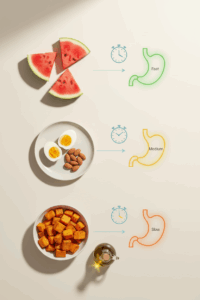
Many foods digest at different speeds. For example, fruit like watermelon digests quickly, while protein-rich foods such as steak or eggs take longer. When foods eaten the wrong way are combined improperly, digestion can feel slower or heavier.
Consider a typical heavy dinner with steak, potatoes, and dessert. If watermelon is eaten immediately afterward, its high water content (about 92% water) and fast digestion may create a feeling of bloating. This doesn’t mean watermelon is unhealthy—it simply means timing can influence comfort.
Another example involves acidic foods. Drinking lemon water on an empty stomach may feel refreshing for some people, but others may notice stomach irritation due to the acidity of lemon juice. Small choices like when you eat something can make the same food feel very different.
How Cooking and Portions Change Nutrient Value
Cooking methods also determine whether foods retain nutrients. For instance, eggs contain protein, vitamin B12, and choline, but overcooking eggs for more than 10–12 minutes can change their texture and slightly reduce nutrient quality.
Portion size is another common factor in foods eaten the wrong way. Nuts like walnuts are packed with healthy fats, but eating too many in one sitting—say a full cup (about 100 g) can overwhelm digestion because of their fat content. Instead, smaller servings provide benefits without discomfort.
Understanding these simple principles makes it easier to recognize why certain foods are often eaten incorrectly.
Watermelon and Eggs: Two Foods Often Eaten the Wrong Way
Let’s start with two everyday foods that many people enjoy regularly but sometimes prepare or eat improperly.
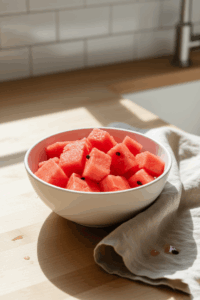
Watermelon as One of the Most Common Foods Eaten the Wrong Way
Watermelon is refreshing, hydrating, and low in calories. A typical serving of 1 cup (154 g) contains vitamin C, vitamin A, and plenty of water. However, watermelon is frequently listed among foods eaten the wrong way because people often eat it immediately after heavy meals.
Eating watermelon right after a large dinner may cause a bloated feeling for some people. Because watermelon digests quickly, it may sit temporarily in the stomach while heavier foods digest first. This can create mild digestive discomfort.
A better approach is to eat watermelon between meals or as a light snack. For example, a bowl of watermelon mid-afternoon can hydrate you without interfering with digestion. Many dietitians also recommend enjoying watermelon as a standalone snack instead of dessert after a heavy meal.
Eggs: A Classic Example of Foods Eaten the Wrong Way
Eggs are among the most nutrient-dense foods available. A single large egg contains about 6 grams of protein plus essential nutrients like vitamin D and choline. However, eggs can become one of the foods eaten the wrong way if they are cooked too long.
Overboiling eggs for 15 minutes or longer can produce a gray-green ring around the yolk. This happens when sulfur and iron react due to excessive heat. While the egg is still safe to eat, the texture becomes rubbery and less appealing.
Healthier cooking methods include soft-boiling eggs for 6–7 minutes, poaching them, or gently scrambling them over medium-low heat. These methods preserve texture and make eggs easier to digest while keeping their nutrients intact.
Lemon and Walnuts: Timing and Portion Matter
Next, two foods known for their health benefits—lemon and walnuts—can also become foods eaten the wrong way when consumed without considering timing or quantity.

Lemon Water and Foods Eaten the Wrong Way on an Empty Stomach
Lemon water is widely promoted for hydration and vitamin C. Juice from one medium lemon provides roughly 30–40 mg of vitamin C, which supports immune health. However, lemon water may appear on lists of foods eaten the wrong way when consumed on a completely empty stomach.
Because lemons are acidic, drinking concentrated lemon water first thing in the morning can irritate the stomach lining for some individuals. People with acid sensitivity may notice mild discomfort or heartburn.
A simple adjustment is to dilute lemon juice in a larger glass of water—about 1 tablespoon lemon juice in 12–16 oz (350–475 ml) of water—or drink it with food. Pairing lemon with meals or salads can provide flavor and vitamin C without irritating the stomach.
Walnuts and Foods Eaten the Wrong Way in Large Portions
Walnuts are packed with omega-3 fatty acids, antioxidants, and healthy fats. Just 1 oz (28 g)—about 4–6 walnut halves—provides heart-healthy nutrients.
However, walnuts often appear among foods eaten the wrong way when people consume large portions. Eating a full handful after handful, sometimes exceeding ½ cup (50 g) in one sitting, can lead to digestive heaviness because nuts are rich in fats and fiber.
Instead, nutrition experts often recommend a small portion daily. Adding 4–6 walnut halves to oatmeal, yogurt, or a salad is enough to provide benefits for brain and heart health without overwhelming digestion.
Potatoes and Olive Oil: Simple Foods Often Used the Wrong Way
Finally, two pantry staples—potatoes and olive oil—can also become foods eaten the wrong way depending on preparation methods.
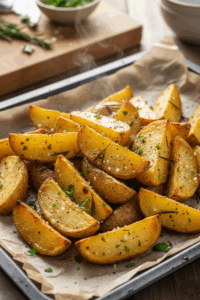
Potatoes as Foods Eaten the Wrong Way When Over-Processed
Potatoes are often misunderstood. A medium potato contains potassium, vitamin C, and fiber, especially when eaten with the skin. However, potatoes become one of the foods eaten the wrong way when they are deep-fried or heavily processed.
For example, fast-food fries are typically cooked in oil at around 350–375°F (175–190°C). While delicious, this cooking method adds excess fat and calories compared with baked or roasted potatoes.
A healthier option is to roast potatoes at 400°F (204°C) with a small amount of olive oil and herbs. Roasted potatoes maintain their nutrients while providing flavor and crisp texture without excessive oil.
Olive Oil and Foods Eaten the Wrong Way at High Heat
Olive oil is known for its heart-healthy monounsaturated fats. One tablespoon contains about 14 g of fat, most of which is considered beneficial for cardiovascular health.
However, olive oil sometimes appears among foods eaten the wrong way when used at extremely high temperatures. Extra virgin olive oil has a smoke point around 375–405°F (190–207°C). Heating it far beyond that range may degrade flavor and reduce some beneficial compounds.
Instead, olive oil works best for medium-heat cooking, salad dressings, or finishing dishes. For example, drizzle 1 tablespoon olive oil over roasted vegetables or mix it with lemon juice for a simple salad dressing.
Quick Tips to Avoid Foods Eaten the Wrong Way
- Eat fast-digesting fruits like watermelon between meals.
- Soft-boil eggs for 6–7 minutes instead of overboiling.
- Dilute lemon juice with water or drink it with food.
- Limit walnuts to about 4–6 halves daily.
- Roast potatoes instead of deep frying.
- Use olive oil for medium-heat cooking or dressings.
FAQs
Are foods eaten the wrong way actually unhealthy?
Not necessarily. Most foods labeled as foods eaten the wrong way are still healthy. The issue usually involves timing, cooking method, or portion size. For example, watermelon is nutritious but may feel uncomfortable after a large meal. Adjusting when or how you eat certain foods often solves the problem.
Is it bad to drink lemon water every morning?
For many people, lemon water is perfectly fine. However, some individuals with sensitive stomachs may experience irritation if they drink it on an empty stomach. Diluting lemon juice in 12–16 oz of water or drinking it with breakfast can reduce acidity and make it easier to tolerate.
How many walnuts should you eat per day?
A typical recommended serving is 1 oz (28 g), which equals about 4–6 walnut halves. This portion provides healthy fats and nutrients without excessive calories. Eating much larger portions occasionally is not harmful but may feel heavy due to the fat content.
What is the healthiest way to cook eggs?
Gentle cooking methods work best. Soft-boiled eggs (6–7 minutes), poached eggs, or softly scrambled eggs retain good texture and nutrients. Overcooking eggs for more than 10–12 minutes can make them rubbery and slightly reduce nutrient quality.
Are potatoes unhealthy?
Potatoes themselves are nutritious and contain potassium, fiber, and vitamin C. They become less healthy when heavily processed, such as deep-fried or loaded with butter and cream. Baking or roasting potatoes with 1–2 teaspoons olive oil keeps them balanced and flavorful.
Final Thoughts
Many everyday foods are incredibly healthy—but they can become foods eaten the wrong way when timing, cooking methods, or portions are overlooked. By making small changes like cooking eggs gently, enjoying watermelon as a snack, or keeping nut portions moderate—you can get more benefits from the foods you already love.
If you found this guide helpful, share it with someone who enjoys healthy eating or save it for later. Sometimes the smallest habits make the biggest difference.
Disclaimer: This content is for informational purposes only and is not a substitute for professional medical advice.

About Jane Smith
We turn solid evidence into everyday habits Americans can actually do—plain English, cups/oz, grocery-aisle swaps, and routines that fit real life. Our editorial process: Experience—we road-test tips in real schedules…