12 Foods High in Vitamin B12 to Add Today
Vitamin B12 is an essential nutrient your body needs for energy, brain health, and red blood cell production. Yet many...
Vitamin B12 is an essential nutrient your body needs for energy, brain health, and red blood cell production. Yet many Americans, especially older adults and people who eat little or no animal products, don’t get enough of it. Knowing which foods high in vitamin B12 to add to your daily meals can help support healthy nerves, steady energy levels, and overall wellness. In this guide, you’ll discover 12 vitamin B12 foods you can easily find in US grocery stores, along with simple tips for adding them to everyday meals.
Why Foods High in Vitamin B12 Matter for Your Health
Understanding why foods high in vitamin B12 are important can help you prioritize them in your diet. This nutrient plays a major role in energy metabolism, nerve protection, and blood health.
How Foods High in Vitamin B12 Support Energy and Brain Function
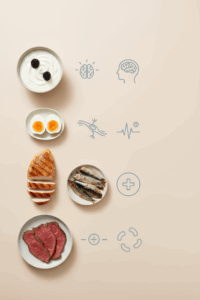
One reason foods high in vitamin B12 are important is their role in energy production. Vitamin B12 helps convert carbohydrates and fats into usable energy. Without enough B12, your body struggles to produce healthy red blood cells that carry oxygen throughout your body.
Research suggests that adults need about 2.4 micrograms (mcg) of vitamin B12 daily. Even mild deficiencies can lead to fatigue, brain fog, or poor concentration. For example, someone who regularly eats eggs (about 0.6 mcg each) or 3 oz of chicken (around 0.3 mcg) can gradually meet their daily requirement.
Vitamin B12 also helps protect the myelin sheath, the protective layer around nerve cells. This is why adequate intake supports memory, focus, and nervous system health. Many neurologists recommend ensuring sufficient B12 intake, especially after age 50 when absorption tends to decrease.
Signs You May Need More Foods High in Vitamin B12
A lack of foods high in vitamin B12 in your diet may lead to several noticeable symptoms. Because B12 is involved in blood cell production and nerve health, deficiency signs often appear gradually.
Common symptoms include:
- Persistent fatigue
- Tingling in hands or feet
- Memory difficulties
- Pale skin or dizziness
For instance, a person who rarely eats animal-based foods—such as vegans or strict vegetarians—may consume less than 1 mcg of B12 per day, which is below recommended intake.
Older adults also face higher risk because stomach acid levels decline with age, reducing vitamin absorption. According to US health data, about 6% of adults under 60 and up to 20% of adults over 60 may have low B12 levels.
12 Foods High in Vitamin B12 to Add to Your Diet
Now that you know why this nutrient matters, let’s explore 12 foods high in vitamin B12 that are easy to find in most US grocery stores.
Animal-Based Foods High in Vitamin B12
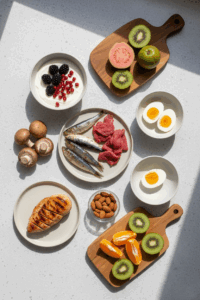
Animal foods remain the most reliable vitamin B12 foods, since B12 naturally occurs in animal protein. Adding these foods to meals just a few times per week can help meet your daily needs.
Examples include:
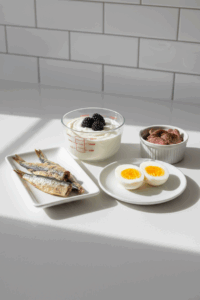
- Sardines: About 7.6 mcg per 3 oz serving, over 300% of daily needs
- Chicken: Roughly 0.3–0.5 mcg per 3 oz cooked portion
- Red meat: Approximately 2.2 mcg per 3 oz serving
- Eggs: Around 0.6 mcg per egg
A breakfast with two eggs and yogurt can already provide close to 1.5 mcg of B12, covering more than half of your daily requirement.
These foods also provide protein, iron, and other nutrients that support overall health.
Other Nutrient-Dense Foods That Support B12 Intake
Some foods in the infographic contain smaller amounts of B12 or support overall nutrient balance when combined with B12 sources.
Examples include:
- Yogurt: About 1.3 mcg per cup
- White button mushrooms: Small amounts of B vitamins
- Almonds: Provide magnesium and healthy fats
- Kiwi, guava, oranges: Support vitamin C intake
- Blackberries and pomegranate: Rich in antioxidants
While fruits and nuts typically contain little B12, pairing them with B12-rich foods—such as yogurt or eggs—helps create balanced meals. For example, a Greek yogurt bowl with blackberries and almonds offers both protein and micronutrients.
How Much Vitamin B12 Do Americans Need Daily
Before adjusting your diet, it helps to understand how much vitamin B12 foods you should consume each day.
Recommended Daily Intake of Vitamin B12
The National Institutes of Health recommends the following daily intake:
- Adults (19+ years): 2.4 mcg per day
- Pregnant women: 2.6 mcg per day
- Breastfeeding women: 2.8 mcg per day
To put this into perspective, a meal containing 3 oz sardines (7.6 mcg) already provides more than 300% of the daily value.
Even moderate sources can add up quickly. For example:
- 1 cup yogurt: 1.3 mcg
- 2 eggs: 1.2 mcg
Combined, these foods can provide the entire daily requirement.
Who Is Most at Risk of Low Vitamin B12
Certain groups may need to pay extra attention to foods high in vitamin B12.
Higher-risk groups include:
- Adults over age 50
- Vegans and vegetarians
- People with digestive disorders
- Individuals taking acid-reducing medications
For example, long-term use of medications like proton pump inhibitors (PPIs) may reduce B12 absorption by lowering stomach acid levels.
Doctors sometimes recommend fortified foods or supplements for people in these groups to maintain healthy B12 levels.
Easy Ways to Add Foods High in Vitamin B12 to Meals
Fortunately, adding foods high in vitamin B12 to everyday meals is simple with a little planning.
Simple Meal Ideas with Vitamin B12 Foods
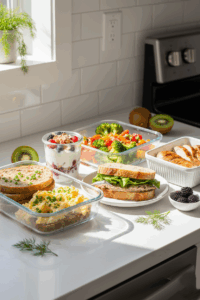
Here are easy ways to include vitamin B12 foods throughout the day:
- Breakfast: Two scrambled eggs with whole-grain toast.
- Snack: Greek yogurt with blackberries and almonds.
- Lunch: Sardine salad sandwich on whole-grain bread.
- Dinner: Grilled chicken breast with roasted vegetables.
- Smoothie bowl: Yogurt, kiwi, and berries.
- Protein bowl: Brown rice, grilled chicken, avocado, and vegetables.
A day of meals like this can easily deliver 3–8 mcg of vitamin B12, exceeding recommended intake.
Tips for Choosing Vitamin B12 Foods at the Grocery Store
When shopping for foods high in vitamin B12, keep these tips in mind:
- Choose wild-caught sardines for higher nutrient density.
- Look for plain Greek yogurt for more protein and B12.
- Buy fresh eggs from reputable farms when possible.
- Select lean cuts of red meat to limit saturated fat.
- Combine B12 foods with fruits and vegetables for balance.
These small habits can make it easier to maintain healthy nutrient levels without major diet changes.
FAQs About Foods High in Vitamin B12
Can you get enough vitamin B12 from food alone?
Yes, many people can meet their B12 needs through foods high in vitamin B12, especially if they regularly eat eggs, dairy, fish, or meat. For example, just 3 oz of sardines contains over 7 mcg, far exceeding daily requirements. However, people who follow strict vegan diets often need fortified foods or supplements.
Are fruits good sources of vitamin B12?
Most fruits contain little or no vitamin B12. Fruits like kiwi, guava, and oranges provide valuable nutrients such as vitamin C and fiber, but they don’t significantly contribute to B12 intake. Pairing fruit with yogurt or eggs helps create balanced meals that include B12.
What is the best vitamin B12 food source?
Among natural foods, sardines and red meat are among the richest sources. A small serving of sardines provides more than 300% of the daily value. Eggs and yogurt are also reliable options for people who prefer lighter or dairy-based meals.
Do older adults need more vitamin B12 foods?
Older adults may not necessarily need more B12, but they often absorb less of it. After age 50, doctors sometimes recommend fortified foods or B12 supplements in addition to regular dietary sources to maintain healthy levels.
Can cooking destroy vitamin B12?
Vitamin B12 is relatively stable but can degrade slightly with prolonged heat. Cooking methods like baking or grilling at 350–400°F (175–200°C) generally preserve most of the vitamin content. Gentle cooking methods and avoiding overcooking can help maintain nutrients.
Quick Tips for Getting More Vitamin B12 Foods
- Add eggs or yogurt to breakfast several times per week.
- Eat fish like sardines once or twice weekly.
- Combine lean meats with vegetables for balanced dinners.
- Include dairy snacks such as yogurt or cheese daily.
- Pair fruit bowls with yogurt or nuts for added nutrients.
Final Thoughts
Adding foods high in vitamin B12 to your routine doesn’t require drastic diet changes. Small habits—like eating eggs for breakfast or including fish once a week—can help support energy, brain function, and overall wellness.
If you’re concerned about your vitamin B12 intake, consider tracking your diet or discussing your levels with a healthcare professional.
Disclaimer: This content is for informational purposes only and is not a substitute for professional medical advice.

About Jane Smith
We turn solid evidence into everyday habits Americans can actually do—plain English, cups/oz, grocery-aisle swaps, and routines that fit real life. Our editorial process: Experience—we road-test tips in real schedules…