Unhealthy Habits Doctors Warn You Should Stop Now
Many unhealthy habits don’t feel dangerous at first. Skipping breakfast, staying up late scrolling your phone, or drinking too much...
- Why Unhealthy Habits Matter More Than You Think
- Common Daily Unhealthy Habits That May Harm Your Health
- The Science Behind Everyday Health Risks
- Simple Changes Doctors Recommend Instead of Unhealthy Habits
- How to Break Unhealthy Habits Step by Step
- Frequently Asked Questions About Unhealthy Habits
- Final Thoughts
Many unhealthy habits don’t feel dangerous at first. Skipping breakfast, staying up late scrolling your phone, or drinking too much coffee might seem normal in a busy American lifestyle. But doctors increasingly warn that these unhealthy habits can slowly affect metabolism, hormones, mental health, and long-term wellness. The problem isn’t one bad choice—it’s repetition.
When small behaviors become daily routines, they may quietly increase health risks. Understanding which unhealthy habits doctors warn about can help you make smarter lifestyle decisions before minor issues become bigger problems.
Why Unhealthy Habits Matter More Than You Think
Many unhealthy habits appear harmless because their effects build gradually. Doctors often see patients who feel “mostly fine” until fatigue, weight gain, or chronic stress suddenly appear. These issues usually develop over months or even years.
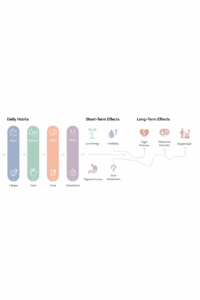
How Small Unhealthy Habits Affect Long-Term Health
Many daily behaviors influence hormone balance, metabolism, and inflammation. For example, consistently sleeping less than 6 hours per night can raise cortisol levels, the body’s primary stress hormone. Over time, elevated cortisol may contribute to weight gain, anxiety, and poor sleep cycles.
Another example involves hydration. Adults typically need about 8–10 cups of water per day (roughly 64–80 oz or 1.9–2.4 liters). Drinking significantly less may lead to fatigue, headaches, and increased sugar cravings. These symptoms often lead people to drink soda or coffee instead, creating a cycle of energy crashes.
Doctors emphasize that the issue isn’t occasional mistakes—it’s patterns. If someone skips breakfast five days a week or sits for 8–10 hours daily, those behaviors gradually affect metabolism and muscle strength. Small adjustments to these habits can significantly improve long-term health.
Why Doctors Focus on Daily Unhealthy Habits
Modern American lifestyles make certain unhealthy habits extremely common. Long work hours, screen-heavy jobs, and convenient fast food all encourage sedentary behavior and irregular eating patterns.
For instance, many adults spend more than 7 hours per day on screens, according to recent surveys. Extended screen time often leads to eye strain, poor posture, and disrupted sleep due to blue light exposure.
Doctors also notice patterns involving stress management. Ignoring stress for months or years may increase the risk of cardiovascular issues. Stress triggers inflammatory responses in the body, which can affect the heart, digestion, and immune system.
Because of these trends, healthcare professionals increasingly emphasize preventive habits—sleep, hydration, movement, and mindful eating—to counter the most common lifestyle risks.
Common Daily Unhealthy Habits That May Harm Your Health
Many daily habits harming health come from routines people rarely question. However, doctors frequently identify the same patterns during checkups.
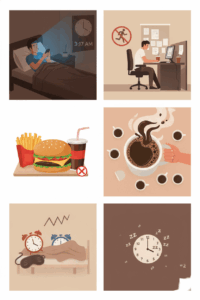
Sleep and Energy Unhealthy Habits
Sleep-related unhealthy habits are among the most common. Going to bed late while waking early reduces the body’s recovery time. Adults generally need 7–9 hours of sleep per night for proper cognitive and hormonal function.
Another issue is late-night screen use. Using phones or tablets before bed exposes the brain to blue light, which can suppress melatonin production. Even 30–60 minutes of screen exposure before sleep may delay sleep onset.
Sleeping too little also affects appetite hormones. Studies suggest sleep deprivation increases ghrelin (the hunger hormone) and decreases leptin (the fullness hormone). This imbalance may cause stronger cravings for high-calorie foods the following day.
Eating and Drinking Unhealthy Habits
Several bad habits doctors warn about involve food and beverages. Skipping breakfast, for example, may slow morning metabolism and increase overeating later in the day.
Eating too quickly is another concern. When meals are finished in under 10 minutes, the brain often doesn’t have enough time to signal fullness. This can lead to bloating, gas, and unnecessary calorie intake.
Coffee consumption also matters. While moderate caffeine intake around 200–400 mg daily (roughly 2–4 cups) is generally considered safe for many adults, excessive intake may cause anxiety, dehydration, and sleep disruption.
Another surprising habit is drinking ice-cold water immediately after meals. Some digestive specialists suggest extremely cold beverages may slow digestion temporarily, especially after large meals.
Lifestyle Unhealthy Habits That Affect the Body
Beyond diet and sleep, many lifestyle patterns fall into the category of daily habits harming health.
For example, sitting for long periods weakens muscles and circulation. Sitting for 8+ hours daily without movement breaks can increase the risk of metabolic issues.
Overtraining is another issue, especially among fitness enthusiasts. Exercising intensely every day without rest days may lead to burnout, muscle fatigue, or increased injury risk.
Mental habits also matter. Constantly comparing yourself to others on social media may increase feelings of anxiety or depression. Studies show heavy social media users report higher stress levels than those who limit usage.
The Science Behind Everyday Health Risks
Understanding the science behind unhealthy habits doctors warn about can make lifestyle changes feel more meaningful.
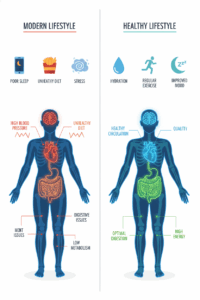
How Hormones and Metabolism React to Unhealthy Habits
Hormones act as the body’s internal communication system. When certain unhealthy habits disrupt this system, the effects can ripple throughout the body.
For instance, skipping meals may cause blood sugar fluctuations. These swings can trigger fatigue, irritability, and stronger cravings for sugary foods. Over time, unstable blood sugar patterns may increase the risk of metabolic issues.
Stress hormones are another factor. Chronic stress elevates cortisol levels, which can lead to sleep problems, abdominal fat storage, and reduced immune function. Even small habits—like constant phone notifications—can trigger stress responses throughout the day.
Hydration also affects metabolism. Mild dehydration of just 1–2% body weight may reduce cognitive performance and physical energy.
Why Modern Lifestyles Increase Unhealthy Habits
Modern environments often encourage bad habits doctors warn about without people realizing it.
Convenience foods, for example, often contain high sodium and sugar levels. A single fast-food meal can contain 1,200–1,800 mg of sodium, approaching the recommended daily limit of 2,300 mg.
Work routines also play a role. Many office jobs involve sitting most of the day, while remote work sometimes reduces daily movement even further.
Finally, technology influences mental health habits. Constant notifications, emails, and social media updates may create an always-connected environment that makes true rest difficult.
Recognizing these influences helps people make more intentional choices.
Simple Changes Doctors Recommend Instead of Unhealthy Habits
Fortunately, replacing unhealthy habits with healthier alternatives doesn’t require extreme lifestyle changes.
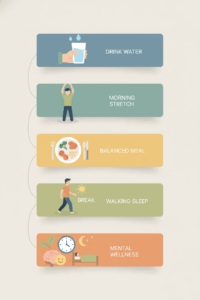
Healthier Daily Routine Habits
Doctors often recommend starting with a few simple routine upgrades.
- Go to bed at a consistent time each night.
- Aim for 7–9 hours of sleep daily.
- Drink 8–10 cups (64–80 oz) of water throughout the day.
- Take a 5–10 minute walk every hour if you sit at work.
- Eat balanced meals containing protein, fiber, and healthy fats.
- Limit caffeine after 2:00 PM to support better sleep.
- Schedule short screen-free breaks daily.
Even following half of these steps can reduce the impact of many daily habits harming health.
Easy Lifestyle Adjustments Doctors Suggest
Small changes often produce the most sustainable results.
Helpful tips to replace unhealthy habits:
- Eat slowly; aim for meals lasting at least 15–20 minutes.
- Stretch or walk every hour during desk work.
- Keep a water bottle nearby to encourage hydration.
- Replace late-night scrolling with reading or relaxation.
- Spend 10–20 minutes outdoors for natural light exposure.
- Schedule one full rest day from intense exercise weekly.
These modest adjustments help build healthier routines over time.
How to Break Unhealthy Habits Step by Step
Breaking long-standing unhealthy habits takes patience. Behavioral experts often recommend gradual change rather than drastic lifestyle overhauls.

Start With Small Habit Changes
Many people try to fix too many habits at once, which can lead to burnout. Instead, start with one or two changes. For example, if someone currently sleeps 6 hours per night, increasing sleep to 7 hours may already improve energy levels.
Habit stacking can also help. This method involves attaching a new healthy behavior to an existing routine. For example, drinking a glass of water every morning immediately after brushing your teeth.
Tracking progress is another useful strategy. Writing down habits or using a health app can increase awareness and accountability.
Build Long-Term Healthy Lifestyle Habits
Consistency matters more than perfection when replacing bad habits doctors warn about.
One practical strategy is the “80% rule.” Instead of aiming for perfect habits daily, aim to follow healthy routines about 80% of the time. This allows flexibility while maintaining overall balance.
Another helpful tactic is environmental design. For example, placing healthy snacks like fruit on the kitchen counter may encourage better eating choices compared to keeping sugary snacks visible.
Over time, repeated small choices reshape routines. What begins as intentional effort often becomes automatic behavior.
Frequently Asked Questions About Unhealthy Habits
What are the most common unhealthy habits doctors warn about?
Doctors frequently mention habits like insufficient sleep, skipping breakfast, excessive screen time, chronic stress, and poor hydration. These behaviors may seem minor individually, but repeated daily, they can influence metabolism, energy levels, and mental health over time.
Can small unhealthy habits really affect long-term health?
Yes. Small behaviors repeated daily can influence hormones, inflammation, and metabolism. For example, sleeping less than 6 hours per night consistently may increase stress hormones and reduce cognitive performance over time.
How long does it take to replace unhealthy habits?
Research suggests habit formation often takes 30–60 days, though the exact time varies depending on the behavior. Consistency and environmental cues like reminders or routines—can make healthy habits easier to maintain.
Are all coffee and caffeine habits unhealthy?
No. Moderate caffeine intake about 2–4 cups of coffee per day—is considered safe for many adults. Problems typically arise when caffeine interferes with sleep or replaces water consumption.
What is the easiest unhealthy habit to fix first?
Many health experts recommend starting with sleep and hydration. Getting enough rest and drinking sufficient water often improves energy, focus, and appetite regulation quickly.
Final Thoughts
Many unhealthy habits develop quietly through everyday routines. The good news is that small, consistent changes can dramatically improve overall wellness. Start with one habit today—better sleep, more water, or less screen time and build from there. Over time, these changes can support better energy, mood, and long-term health.
Disclaimer: This content is for informational purposes only and is not a substitute for professional medical advice.

About Jane Smith
We turn solid evidence into everyday habits Americans can actually do—plain English, cups/oz, grocery-aisle swaps, and routines that fit real life. Our editorial process: Experience—we road-test tips in real schedules…