6 Proteins Seniors Should Avoid for Kidney Health
As we age, the foods we eat can affect our organs differently than they did decades earlier. One of the...
As we age, the foods we eat can affect our organs differently than they did decades earlier. One of the most important areas to watch is kidney health, especially when it comes to protein choices. While protein remains essential after age 60 for maintaining muscle and energy, certain types of protein can place extra strain on aging kidneys. Understanding which proteins seniors should avoid and which ones are safer alternatives can help support long-term wellness and reduce unnecessary stress on the body.
Why Protein Choices Matter for Kidney Health After 60
Before discussing the specific proteins seniors should avoid, it helps to understand why protein affects kidney health differently as we age.
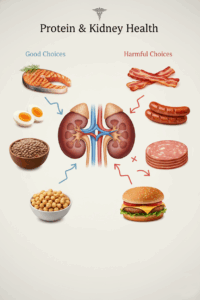
How Aging Affects Kidney Function and Proteins Seniors Should Avoid
After age 60, kidney function naturally declines. Research suggests kidney filtration can decrease about 1% per year after age 40, meaning by age 70 the kidneys may process waste more slowly than before.
Protein digestion produces nitrogen waste that the kidneys must filter. When someone eats large amounts of protein—especially highly processed or salty proteins—the kidneys must work harder to remove by-products from the bloodstream.
For example, a typical fast-food meal containing a burger and fries can contain over 1,200 mg of sodium and 30–40 grams of processed protein. For seniors whose kidneys already filter more slowly, this combination can increase strain over time.
This does not mean seniors should stop eating protein. Instead, choosing kidney-friendly proteins and avoiding heavily processed sources can help reduce unnecessary workload on the kidneys.
How Certain Proteins Increase Kidney Strain
Not all proteins affect the body the same way. Many of the proteins seniors should avoid are highly processed, fried, or extremely high in sodium.
Processed meats such as bacon or deli turkey often contain 700–900 mg of sodium per 2 oz serving. Sodium can contribute to fluid retention and higher blood pressure—two factors linked to kidney stress.
Similarly, deep-fried proteins are often cooked in oils at 350–375°F, which can increase inflammatory compounds and saturated fat intake. Over time, this pattern may affect cardiovascular and kidney health.
By focusing on whole, minimally processed protein sources, seniors can still meet their daily protein needs while supporting kidney function.
6 Proteins Seniors Should Avoid for Kidney Health
Now that we understand why protein matters, here are six examples of proteins seniors should avoid or limit to help protect kidney health.

Processed Red Meats Are Proteins Seniors Should Avoid
Processed red meats such as bacon, sausage, and pepperoni are among the most common proteins seniors should avoid.
These meats often contain preservatives like sodium nitrate, along with large amounts of sodium. A typical serving of bacon (3 slices) can contain over 600 mg of sodium and 10 grams of saturated fat.
Frequent consumption may contribute to higher blood pressure, which is one of the leading risk factors for kidney disease in the United States.
For example, replacing bacon at breakfast with one scrambled egg and ½ cup black beans can still provide around 14 grams of protein while significantly reducing sodium.
Fried Chicken and Deep-Fried Proteins Seniors Should Avoid
Fried proteins are another category of proteins seniors should avoid for kidney health.
Deep-fried chicken, fish, or shrimp often absorb cooking oils heated to 350°F or higher, increasing calories and unhealthy fats. A single fried chicken breast from a fast-food chain can contain 400–500 calories and 1,200 mg of sodium.
This combination of high fat and sodium may increase the risk of hypertension and metabolic stress on the kidneys.
Choosing baked or grilled proteins instead can make a meaningful difference. For instance, a 4 oz grilled salmon fillet provides about 25 grams of protein with significantly less sodium and healthier fats.
Packaged Deli Meats Are Hidden Proteins Seniors Should Avoid
Packaged deli meats may appear convenient, but they are often high on the list of proteins seniors should avoid.
Two ounces of deli turkey or ham may contain 500–800 mg of sodium, along with preservatives designed to extend shelf life.
Because sandwiches are a common lunch choice, this sodium can quickly add up. A deli sandwich with cheese and condiments may exceed 1,500 mg sodium, which is more than half the recommended daily limit for many seniors.
Instead, roasted chicken breast prepared at home and sliced for sandwiches can provide similar protein without the added preservatives.
Excess Cheese Can Become a Protein Seniors Should Avoid
Cheese is nutritious in moderation, but excessive intake may become one of the proteins seniors should avoid.
Many cheeses are high in sodium and saturated fat. Just 1 oz of cheddar cheese contains around 180 mg sodium and 6 grams of fat.
If a meal includes multiple servings such as pizza or cheeseburgers—the sodium can climb quickly.
Moderate portions are key. Pairing 1 oz cheese with vegetables or whole-grain crackers can provide protein without excessive sodium intake.
Protein Powders and Supplements Seniors Should Avoid
Highly processed protein powders can also fall into the category of proteins seniors should avoid, especially when consumed in large amounts.
Some protein shakes contain 30–40 grams of protein per serving, which may exceed the body’s needs at one time.
Additionally, certain supplements include artificial sweeteners or additives that may not benefit overall health.
For many seniors, whole food protein sources such as eggs, yogurt, or beans provide adequate nutrition without relying on concentrated powders.
Fast Food Burgers Are Common Proteins Seniors Should Avoid
Fast-food burgers combine several risk factors—processed meat, high sodium, and saturated fat.
A typical fast-food cheeseburger may contain 700–1,200 mg sodium and 20 grams of fat, depending on toppings and sauces.
When eaten regularly, this pattern may contribute to higher blood pressure and increased metabolic stress.
If craving a burger, making one at home using 4 oz lean ground turkey or plant-based patties can reduce sodium while still delivering protein.
5 Kidney-Friendly Proteins Seniors Can Choose Instead
While some proteins seniors should avoid, many healthy options can support kidney health.

Lentils and Chickpeas Are Kidney-Friendly Proteins Seniors Can Choose
Plant-based proteins such as lentils and chickpeas are excellent alternatives to the proteins seniors should avoid.
One cup of cooked lentils provides about 18 grams of protein and 15 grams of fiber, which may help support heart and metabolic health.
Chickpeas are also versatile. Half a cup contains 7 grams of protein and around 6 grams of fiber, making them a filling addition to salads or soups.
Because these foods are naturally low in sodium when prepared at home, they are a helpful option for seniors seeking kidney-friendly meals.
Salmon and Fatty Fish Are Healthy Proteins Seniors Should Choose
Fatty fish such as salmon provide high-quality protein along with omega-3 fatty acids.
A 3–4 oz baked salmon fillet delivers about 22 grams of protein and beneficial fats that support heart health.
Heart health and kidney health are closely linked. Maintaining healthy blood pressure and circulation helps reduce strain on the kidneys.
Cooking salmon in the oven at 375°F for about 12–15 minutes is a simple way to prepare a balanced meal.
Eggs Provide Balanced Protein for Seniors
Eggs remain one of the most efficient protein sources for seniors.
One large egg contains about 6 grams of protein and several essential nutrients, including vitamin B12 and choline.
Eggs are also easy to prepare in many ways—scrambled, boiled, or baked into dishes.
For example, two scrambled eggs with spinach provide around 12 grams of protein while keeping sodium levels low.
Greek Yogurt Offers Protein and Probiotics
Greek yogurt provides both protein and beneficial probiotics.
A ¾ cup serving of plain Greek yogurt typically contains around 15–18 grams of protein.
Choosing unsweetened varieties helps avoid excess sugar while still providing a creamy, satisfying food.
Adding berries or sliced almonds can create a nutrient-rich breakfast or snack.
Balanced Plant and Lean Proteins Work Best
Combining plant proteins with lean animal proteins can help seniors maintain balanced nutrition.
Examples include grilled chicken with lentil salad or salmon with roasted vegetables and chickpeas.
This balanced approach allows seniors to meet daily protein needs while avoiding the proteins seniors should avoid that contain high sodium or additives.
How Much Protein Seniors Actually Need After 60
Understanding portion sizes helps seniors avoid both excessive and insufficient protein intake.
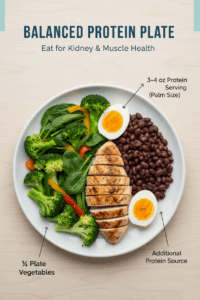
Daily Protein Needs and Proteins Seniors Should Avoid
Most adults over 60 need approximately 0.8 grams of protein per kilogram of body weight daily.
For example, a 165-lb adult (75 kg) may require roughly 60 grams of protein per day.
This amount can easily be reached through three balanced meals containing around 20 grams of protein each.
Focusing on whole food proteins while limiting the proteins seniors should avoid helps meet nutritional goals without placing unnecessary strain on the kidneys.
Portion Sizes That Support Kidney Health
Simple portion guidelines can make protein intake easier to manage.
A typical 3–4 oz serving of fish, chicken, or lean meat provides about 20–25 grams of protein.
Plant proteins such as beans provide around 7–10 grams per half cup.
Spacing protein intake across meals rather than consuming very large portions at once—can help support steady digestion and nutrient absorption.
Smart Eating Tips to Protect Kidney Health
Along with avoiding certain proteins, daily habits can help seniors maintain healthy kidneys.

Choose Whole Foods Over Proteins Seniors Should Avoid
Whole foods often contain fewer additives than processed foods.
Preparing meals at home allows seniors to control sodium levels and choose better protein sources.
For instance, cooking grilled chicken breast with herbs and olive oil can provide about 26 grams of protein without excess sodium.
Watch Sodium and Hidden Additives
Many packaged foods contain hidden sodium.
Reading nutrition labels can help seniors identify foods with more than 400 mg sodium per serving, which may be worth limiting.
Choosing fresh foods whenever possible supports kidney-friendly eating patterns.
Tips & Smart Swaps
- Swap bacon for scrambled eggs or tofu at breakfast.
- Choose grilled chicken instead of fried chicken.
- Replace deli meat sandwiches with roasted turkey breast.
- Use beans or lentils in soups instead of processed sausage.
- Add Greek yogurt instead of sugary protein shakes.
- Cook meals at home to control sodium intake.
Frequently Asked Questions
Can seniors still eat red meat occasionally?
Yes. Small portions of lean red meat can still fit into a balanced diet. For example, a 3 oz serving of lean beef once or twice a week may provide iron and protein. The key is moderation and avoiding heavily processed versions like bacon or sausage.
Is plant protein better for kidney health?
Plant proteins such as lentils, chickpeas, and beans are often lower in sodium and saturated fat. Many seniors find that incorporating ½–1 cup plant proteins daily supports balanced nutrition while reducing reliance on processed meats.
Should seniors stop using protein shakes?
Not necessarily. However, protein shakes with more than 25–30 grams of protein per serving may be unnecessary for many seniors. Whole foods typically provide enough protein when meals are balanced throughout the day.
What are the signs kidneys may be under stress?
Common signs can include swelling in the ankles, fatigue, or changes in urination. However, many kidney issues develop silently, which is why routine health checkups and blood tests are important after age 60.
How can seniors protect kidney health through diet?
Maintaining a balanced diet with whole foods, moderate protein intake, and limited sodium can help. Drinking adequate water and staying physically active also support overall kidney health.
Final Thoughts
Choosing the right proteins can make a meaningful difference in long-term health. By limiting the proteins seniors should avoid and focusing on whole, balanced protein sources, older adults can support both kidney and overall wellness.
Disclaimer: This content is for informational purposes only and is not a substitute for professional medical advice.

About Jane Smith
We turn solid evidence into everyday habits Americans can actually do—plain English, cups/oz, grocery-aisle swaps, and routines that fit real life. Our editorial process: Experience—we road-test tips in real schedules…