Foods for Strong Bones: Best Bone-Healthy Picks
Strong bones are essential for mobility, balance, and long-term health. The foods for strong bones you eat daily can significantly...
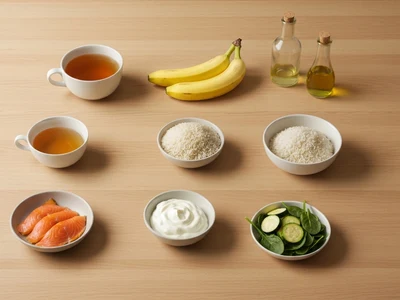
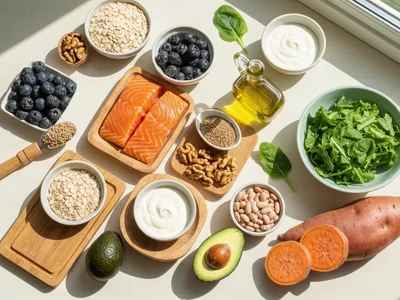
Strong bones are essential for mobility, balance, and long-term health. The foods for strong bones you eat daily can significantly affect bone density, fracture risk, and overall skeletal strength. In the United States, millions of adults, especially women over 50—experience gradual bone loss. Fortunately, the right diet can help support bone structure and mineral balance. By focusing on bone strengthening foods rich in calcium, vitamin D, magnesium, and vitamin K, you can help your body maintain stronger bones throughout life.
Why Bone-Healthy Foods Matter for Strong Bones
Understanding why foods for strong bones matter begins with recognizing how bones constantly rebuild themselves. Bone tissue is living tissue that renews over time, and nutrition plays a central role in this process.
The 5 Nutrients Your Bones Need Most in Foods for Strong Bones
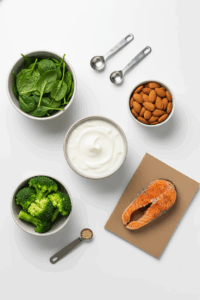
Several key nutrients work together to support bone structure. The most important nutrients found in bone strengthening foods include calcium, vitamin D, magnesium, vitamin K, and protein.
Calcium forms the structural base of bones. Most adults in the U.S. need about 1,000–1,200 mg of calcium per day, according to dietary guidelines. Foods like yogurt, milk, and leafy greens contribute significantly to this requirement.
Vitamin D helps the body absorb calcium efficiently. Without enough vitamin D, calcium intake becomes less effective. Fatty fish like salmon and fortified dairy products provide natural sources.
Magnesium and vitamin K also play supporting roles. Magnesium helps convert vitamin D into its active form, while vitamin K assists proteins that bind calcium to bones. Foods such as almonds, spinach, and broccoli provide these minerals in meaningful amounts.
Together, these nutrients create a foundation for healthy bone remodeling and strength.
Who Benefits Most from Foods for Strong Bones
While everyone benefits from foods for strong bones, certain groups in the U.S. are at higher risk of bone loss.
Women over 40–50 years old begin experiencing natural declines in bone density due to hormonal changes. Postmenopausal women can lose up to 20% of bone mass within five to seven years after menopause.
Men over age 50 also experience gradual bone thinning, though typically later than women. Active adults and athletes place additional stress on bones, making nutrient intake even more important.
Teenagers and young adults are another important group. Nearly 90% of peak bone mass develops before age 20, meaning nutrition during adolescence strongly influences long-term skeletal health.
Ensuring regular intake of foods for bone health across all life stages helps maintain bone density and reduce fracture risk later in life.
Best Foods for Strong Bones
Now that we understand the importance of bone nutrition, let’s explore the most effective foods for strong bones that provide essential nutrients.

Calcium-Rich Picks in Foods for Strong Bones
Calcium is the cornerstone of bone strengthening foods, and dairy products remain among the most accessible sources in the U.S.
One cup of milk (8 oz / 240 ml) contains roughly 300 mg of calcium, making it one of the easiest ways to reach daily requirements. Yogurt is even more concentrated, often providing 350–400 mg per cup, depending on the brand.
Cheese also contributes valuable minerals. For example, 1 oz (28 g) of cheddar cheese provides about 200 mg of calcium. While cheese contains more sodium and fat than milk or yogurt, moderate portions still support bone health.
Fortified dairy alternatives like almond milk or soy milk can also supply calcium. Many brands add 300–450 mg per cup, similar to cow’s milk.
Including two to three servings of dairy or fortified alternatives daily is a practical strategy to increase calcium intake through foods for strong bones.
Vitamin D Foods for Strong Bones
Vitamin D plays a critical role in the effectiveness of foods for bone health, since it helps the body absorb calcium from the digestive tract.
Fatty fish such as salmon are among the best natural sources. A 3 oz (85 g) serving of cooked salmon contains roughly 450–600 IU of vitamin D, depending on the type. This amount can supply over half the daily recommended intake.
Eggs are another accessible option. One large egg provides around 40 IU of vitamin D, particularly in the yolk. While eggs alone won’t meet daily requirements, they contribute valuable nutrients when included regularly.
Fortified foods also help Americans reach vitamin D goals. Many milk, yogurt, and breakfast cereals are enriched with vitamin D to support bone health.
Combining vitamin D foods with calcium-rich foods enhances absorption and strengthens overall bone nutrition.
Vitamin K + Mineral Boosters in Foods for Strong Bones
Leafy greens and cruciferous vegetables are powerful bone strengthening foods thanks to their vitamin K and mineral content.
Spinach, for example, provides approximately 145 mcg of vitamin K per cup (cooked), far exceeding the daily recommended intake for adults. Vitamin K supports proteins that help bind calcium to bone tissue.
Broccoli also contributes calcium, vitamin C, and fiber. One cup of cooked broccoli contains around 60 mg of calcium along with antioxidants that support overall health.
Magnesium-rich foods like almonds add another layer of support. A 1 oz (28 g) serving of almonds contains roughly 75 mg of magnesium, which helps maintain bone density.
These plant-based foods for strong bones are especially helpful for people who consume less dairy.
Crunchy Add-Ons in Foods for Strong Bones
Small foods can deliver big benefits. Seeds and nuts offer concentrated nutrients that support bone health foods.
Chia seeds are one example. Just 2 tablespoons (about 28 g) contain approximately 180 mg of calcium, along with omega-3 fatty acids and fiber. These tiny seeds are easy to add to oatmeal, smoothies, or yogurt.
Almonds also provide protein, magnesium, and healthy fats. A small handful about 23 almonds makes a satisfying snack that supports bone health.
Even simple toppings can help. Adding chia seeds to yogurt or sprinkling chopped almonds on salads increases nutrient density without much effort.
These small additions make it easier to incorporate foods for strong bones into everyday meals.
How to Eat Foods for Strong Bones Every Day
Knowing which foods for strong bones to choose is helpful, but building daily habits makes the biggest difference.
Sample 1-Day Bone-Strong Menu Using Foods for Strong Bones
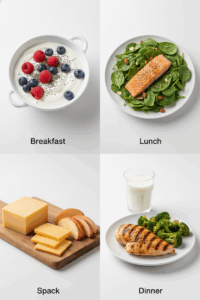
A balanced daily menu can easily include several bone strengthening foods.
Breakfast might include Greek yogurt (1 cup) topped with chia seeds and blueberries. This combination provides protein, calcium, and antioxidants.
Lunch could feature a spinach salad with grilled salmon, broccoli, and sliced almonds. This meal delivers vitamin D, magnesium, vitamin K, and calcium.
Dinner may include baked chicken, roasted vegetables, and a glass of fortified milk. Snacks like almonds or cheese add additional minerals.
Altogether, this type of menu can provide 1,000–1,200 mg of calcium along with other essential nutrients needed for bone health.
Easy Snacks and Simple Swaps for Foods for Strong Bones
Busy schedules make convenience important. Fortunately, many foods for bone health are simple to incorporate.
Try these quick ideas:
- Swap soda for fortified almond milk in smoothies
- Add spinach to scrambled eggs for extra vitamin K
- Top oatmeal with chia seeds and almonds
- Choose Greek yogurt instead of sugary desserts
- Snack on cheese and apple slices
These simple swaps help increase nutrient intake without drastically changing your routine.
Common Mistakes That Weaken Bone Health
Even when eating foods for strong bones, certain habits can interfere with bone health.
Too Little Protein or Too Much Soda
Protein supports bone structure by helping form collagen in bone tissue. Adults generally need about 0.8 g of protein per kg of body weight (roughly 54 g for a 150-lb person).
Excess soda consumption may also affect bones. Many soft drinks contain phosphoric acid and large amounts of sugar. Drinking multiple sodas daily can displace milk or other nutrient-rich beverages.
Choosing water, milk, or fortified alternatives helps maintain better balance when consuming bone strengthening foods.
Skipping Strength Training and Sunlight
Diet alone cannot support bone health completely. Weight-bearing exercise and sunlight exposure complement foods for strong bones.
Activities like walking, resistance training, or bodyweight exercises stimulate bone remodeling. Even 30 minutes of brisk walking five days per week can help maintain bone density.
Sunlight also helps the body produce vitamin D naturally. Spending 10–20 minutes outdoors daily—depending on skin tone and location—can contribute to vitamin D levels.
Together, movement, sunlight, and nutrition provide a well-rounded approach to stronger bones.
FAQs
Is dairy required for foods for strong bones?
No, dairy is helpful but not required. Many foods for strong bones are plant-based, including almonds, broccoli, spinach, chia seeds, and fortified plant milks. These foods provide calcium and magnesium without dairy. People who avoid dairy can still meet calcium needs by combining fortified foods and leafy greens. Planning balanced meals is key.
What if I’m lactose intolerant?
If lactose intolerance is an issue, choose lactose-free milk, fortified almond milk, soy milk, or yogurt alternatives. Hard cheeses such as cheddar often contain very little lactose and may still be tolerated. These options allow people to benefit from foods for bone health without digestive discomfort.
How much calcium do adults need daily?
Most U.S. adults require 1,000 mg of calcium per day, while women over 50 and men over 70 need about 1,200 mg daily. This amount can come from foods for strong bones such as dairy, leafy greens, fortified milk, nuts, and seeds.
What’s the best time to eat calcium-rich foods?
Calcium is absorbed best in portions of 500 mg or less at a time, so spreading intake throughout the day works well. For example, drink milk at breakfast, add yogurt as a snack, and include vegetables or almonds at dinner. Pairing calcium with vitamin D foods improves absorption.
Final Thoughts
Consistently eating foods for strong bones helps support bone density, mobility, and long-term health. By combining calcium-rich dairy or plant alternatives with vitamin D foods, leafy greens, and magnesium-rich nuts, you create a balanced approach to bone nutrition.
Small daily habits—like adding chia seeds to breakfast or choosing yogurt as a snack—can make a meaningful difference over time.
CTA:
Want more practical nutrition tips? Explore our wellness guides for simple meal ideas, grocery tips, and healthy habits that help support stronger bones and overall well-being.
Disclaimer: This content is for informational purposes only and is not a substitute for professional medical advice.

About Essentialwellnessaz Editorial Team
We turn solid evidence into everyday habits Americans can actually do—plain English, cups/oz, grocery-aisle swaps, and routines that fit real life. Our editorial process: Experience—we road-test tips in real schedules…