Poop Shape Meaning: Stool Shape Chart Explained
Your daily bathroom routine can reveal surprising clues about your digestive health. The poop shape meaning behind different stool types...
Your daily bathroom routine can reveal surprising clues about your digestive health. The poop shape meaning behind different stool types often reflects how well your gut is functioning, how hydrated you are, and whether your diet provides enough fiber. Doctors commonly refer to stool appearance as a quick window into digestive health. By understanding a stool shape chart, you can learn what your poop says about your health and recognize when changes may signal something worth paying attention to.
Quick Take: What Stool Shape Can Tell You
Before diving into a detailed poop shape meaning breakdown, it helps to understand why stool appearance changes. Your digestive system processes food, absorbs nutrients, and forms waste based on several daily habits. Small shifts in diet, hydration, or stress levels can quickly change stool texture and shape.
The 3 Biggest Drivers of Poop Shape Meaning (Fiber, Fluids, Speed)
The most important factors affecting poop shape meaning are fiber intake, hydration, and how fast food moves through your intestines. Fiber adds bulk to stool, water softens it, and gut motility determines how quickly it passes.
For example, the USDA recommends about 25–30 grams of fiber per day for adults. Yet many Americans consume closer to 15 grams daily, which can lead to harder stools. Hydration also plays a major role. Drinking 8 cups (64 oz / ~1.9 L) of water per day helps soften stool and supports smooth digestion.
Transit speed matters too. If food moves too slowly through the colon, excess water is absorbed, producing hard pellets or lumpy stools. If food moves too quickly, the colon can’t absorb enough water, leading to loose or watery stool.
Understanding these three factors helps explain most variations in a stool shape chart.
What’s “Normal” in the Poop Shape Meaning Chart
Many doctors consider a smooth, soft, sausage-shaped stool the ideal example in a stool shape chart. This shape suggests balanced digestion, proper hydration, and adequate fiber intake.
However, normal digestion can vary slightly from person to person. For example, having one bowel movement per day is common, but some healthy adults go three times per day or three times per week. Frequency alone doesn’t determine gut health.
The key is consistency. If your stool shape suddenly changes from smooth to very hard or watery and stays that way for several days, it may indicate a dietary change, dehydration, or digestive irritation. Learning the poop shape meaning behind these differences helps you monitor your digestive health more confidently.
Stool Shapes, Decoded: Poop Shape Meaning From Hard to Watery
Now let’s break down the most common shapes found in a stool shape chart and what they typically mean. These categories are widely used in digestive health discussions and help explain what your poop says about your health.
Hard Pellets and Lumpy Stool Poop Shape Meaning
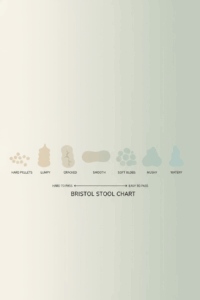
Hard pellet-like stool often resembles small, separate balls. In a poop shape meaning chart, this type usually signals constipation or dehydration.
When stool sits in the colon too long, the body absorbs extra water from it. This causes stool to become dry and hard. People who eat very little fiber—less than 15 grams per day, for example—are more likely to experience this stool type.
Dehydration can also contribute. If someone drinks only 3–4 cups of water daily, the colon may pull additional water from waste material. This results in small, dense stool pieces that can be difficult or painful to pass.
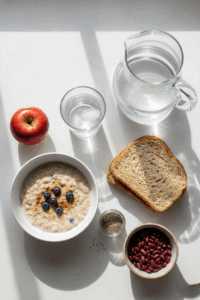
Increasing fiber from foods such as oatmeal, apples, beans, and whole-grain bread often helps improve this poop shape meaning pattern.
Sausage Shapes: Cracked vs Smooth Stool Shape Chart
The sausage-shaped stool appears in two main forms in a stool shape chart: cracked and smooth.
A cracked sausage-shaped stool typically indicates mostly normal digestion but slightly low fiber intake. The stool holds together but shows small surface cracks because it lacks moisture or bulk.
A smooth, soft sausage-shaped stool is generally considered the healthiest example in the poop shape meaning chart. This stool type suggests balanced digestion with adequate hydration and fiber.
For example, someone eating 30 grams of fiber daily, drinking 64–80 oz of water, and maintaining regular activity levels often produces this stool shape consistently.
If your stool regularly resembles this shape, it typically indicates healthy gut function.
Soft Blobs, Mushy Stool, and Watery Poop Shape Meaning
At the softer end of the stool shape chart, you’ll see stool that appears as soft blobs, mushy pieces, or watery liquid.
Soft blobs may occur when digestion moves slightly faster than normal. A low-fiber diet or mild digestive upset can cause this stool type.
Mushy stool often forms when the colon processes food too quickly. Stress, food intolerances, or temporary gut inflammation can contribute. For example, lactose intolerance may cause loose stools within 30–90 minutes after consuming dairy.
Watery diarrhea is the most extreme example in a poop shape meaning chart. This occurs when food moves through the digestive system so quickly that the colon cannot absorb water.
Common triggers include viral infections, food poisoning, or certain medications. If watery diarrhea lasts more than 48 hours, medical evaluation is often recommended.
Common Causes of Sudden Changes in Poop Shape Meaning
Even if your digestion is usually stable, temporary lifestyle changes can shift your stool appearance. Understanding these triggers helps you interpret a stool shape chart more accurately.

Diet Shifts and Fiber Intake in Poop Shape Meaning
One of the most common reasons stool shape changes is diet. When fiber intake suddenly drops—for example, during travel or busy work weeks—stool can quickly become harder.
Fiber works like a sponge in the digestive system. Foods such as black beans, oats, pears, and broccoli help stool retain moisture and maintain structure.
The recommended intake of 25–30 grams of fiber per day equals about:
- 1 cup cooked lentils: ~15 grams
- 1 medium pear: ~5–6 grams
- 1 cup oatmeal: ~4 grams
When people eat mostly refined foods like white bread or processed snacks, fiber intake can fall below 10 grams daily, increasing the risk of constipation.
Gradually increasing fiber helps restore a healthier poop shape meaning pattern.
Hydration, Stress, and Medications in Stool Shape Chart
Hydration levels strongly affect stool consistency. Drinking enough water—around 8–10 cups (64–80 oz) daily—helps stool remain soft and easy to pass.
Stress also influences digestion. The gut and brain communicate through the gut-brain axis, meaning anxiety or emotional stress can speed up or slow down digestion. For example, some people experience loose stool during stressful events like public speaking or travel.
Certain medications also affect the stool shape chart. Iron supplements may cause constipation and darker stool, while magnesium supplements sometimes lead to looser stool.
Understanding these influences helps explain sudden shifts in poop shape meaning.
When Poop Shape Meaning Signals a Health Problem
Occasional changes in stool shape are normal. However, persistent patterns in a poop shape meaning chart may suggest an underlying digestive issue.

Red-Flag Symptoms in the Stool Shape Chart
Certain symptoms alongside abnormal stool shapes may require medical attention. These warning signs include:
- Blood in stool
- Severe abdominal pain
- Unexplained weight loss
- Fever with diarrhea
- Persistent constipation or diarrhea
For example, diarrhea lasting longer than 3–4 days could indicate infection, while constipation lasting more than two weeks may require medical evaluation.
If your stool consistently falls at the extreme ends of the stool shape chart, it’s best to discuss symptoms with a healthcare professional.
How Long Is Too Long for Abnormal Poop Shape Meaning
Doctors typically recommend monitoring stool changes for a short period before becoming concerned. Temporary digestive issues often resolve within 24–72 hours.
However, ongoing changes lasting more than 7–10 days may indicate food intolerance, medication side effects, or digestive disorders like irritable bowel syndrome (IBS).
Tracking stool shape for a week can help identify patterns. Many people use simple symptom logs noting diet, hydration, and bowel movements.
This information helps healthcare providers interpret your poop shape meaning more accurately.
Fix-It Plan: Healthier Poops in 7 Days
If your stool frequently falls outside the ideal stool shape chart, simple lifestyle adjustments can often help restore digestive balance.
Step-By-Step Plan to Improve Poop Shape Meaning
- Drink 8 cups (64 oz) of water daily to support stool hydration.
- Add 5 grams of fiber per day until reaching about 25–30 grams daily.
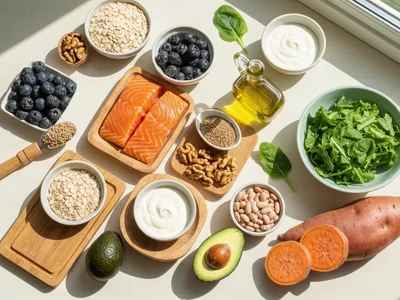
- Eat fiber-rich foods like oats, beans, apples, and leafy greens.
- Walk 10–15 minutes after meals to stimulate digestion.
- Reduce ultra-processed foods for one week.
- Sleep 7–9 hours nightly to support gut health.
- Limit alcohol and caffeine temporarily.
These small changes often improve stool consistency within 3–5 days.
Tips & Swaps for Better Stool Shape Chart Results
- Replace white bread with whole-grain bread.
- Snack on apples or pears instead of chips.
- Add chia seeds to oatmeal or yogurt.
- Drink a glass of water before morning coffee.
- Choose brown rice over white rice.
- Include beans or lentils in two meals weekly.
These swaps help improve fiber intake and support healthier poop shape meaning patterns.
FAQs
Is it normal for poop shape to change sometimes?
Yes. Occasional changes in stool shape are common and often linked to temporary diet shifts, travel, hydration levels, or stress. If the change lasts only a day or two and resolves naturally, it usually isn’t concerning. Persistent changes lasting more than a week, however, may warrant monitoring or medical advice.
What stool shape is considered the healthiest?
In most stool charts, a smooth, soft sausage-shaped stool is considered ideal. This shape indicates adequate fiber intake, good hydration, and balanced digestion. People who consume about 25–30 grams of fiber daily and stay well hydrated tend to produce this stool type consistently.
How quickly can diet affect poop shape meaning?
Diet changes can affect stool shape within 24–48 hours. For example, increasing fiber intake or drinking more water can soften stool quickly. Conversely, eating mostly low-fiber processed foods for a few days may cause harder stools.
Does stress really affect stool shape?
Yes. Stress activates the gut-brain axis, which can speed up or slow digestion. Some people develop loose stool during stressful events, while others experience constipation. Relaxation techniques and consistent sleep may help stabilize digestion.
When should I see a doctor about stool changes?
Medical evaluation is recommended if abnormal stool shapes persist longer than 7–10 days, or if symptoms such as blood in stool, severe pain, fever, or unexplained weight loss occur.
CTA
Curious how daily habits affect your digestion? Start tracking your fiber intake, hydration, and stool patterns this week—you may quickly discover how small lifestyle changes improve your gut health.
Disclaimer: This content is for informational purposes only and is not a substitute for professional medical advice.

About Essentialwellnessaz Editorial Team
We turn solid evidence into everyday habits Americans can actually do—plain English, cups/oz, grocery-aisle swaps, and routines that fit real life. Our editorial process: Experience—we road-test tips in real schedules…