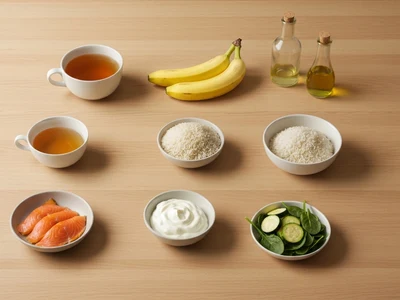
Foods You Are Eating Wrong
Eating is a daily routine, but did you know that when you eat certain foods can have a significant impact...
Eating is a daily routine, but did you know that when you eat certain foods can have a significant impact on your health? The timing of your meals and snacks can influence digestion, energy levels, and overall well-being. In this article, we’ll discuss some of the common foods you may be eating wrong and provide helpful tips on when to enjoy them for the best results.
Best Times to Eat Common Foods
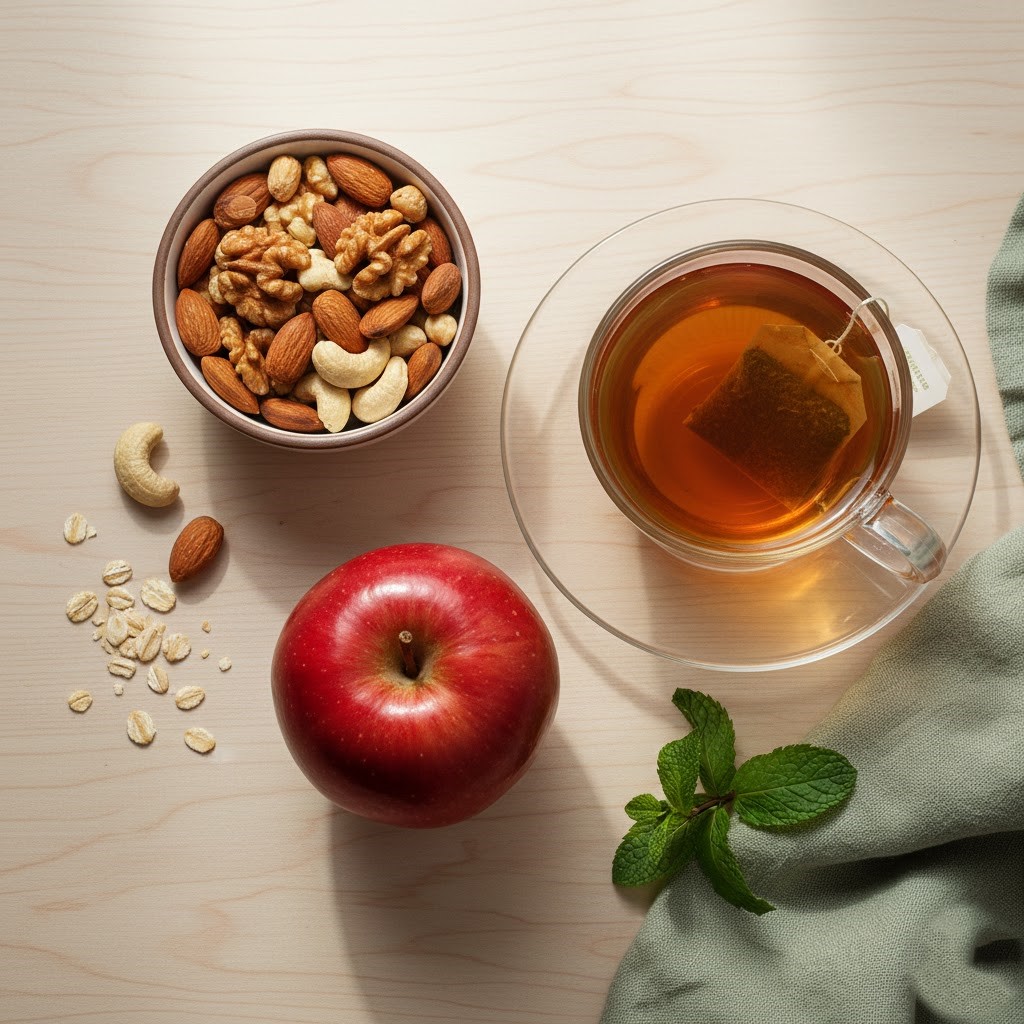
Eating at the right time can optimize your body’s ability to digest and absorb nutrients. Here are some foods you should consume at specific times to boost your health and energy.
👉 If you’re also working on topics related to foods, our detailed guide on Best Foods to Eat When You’re Sick covers exactly what you need.
Apples: Best Enjoyed in the Morning
Apples are a great source of fiber, vitamins, and antioxidants. However, the best time to eat an apple is in the morning. Starting your day with an apple provides a natural energy boost due to the fruit’s sugar content, which helps kickstart your metabolism after hours of fasting during sleep. Additionally, the fiber in apples supports digestion throughout the day.
Eating an apple first thing in the morning can help regulate blood sugar levels and reduce mid-morning cravings. This is especially beneficial if you’re trying to maintain steady energy levels without reaching for unhealthy snacks later in the day.
👉 Want to go further? Our complete breakdown of Best Foods to Support Kidney Health walks you through kidney health and function step by step.
Bananas: Avoid Eating on an Empty Stomach
While bananas are a great source of potassium and natural sugars, they may not be the best food to eat on an empty stomach. When consumed alone in the morning, bananas can cause a spike in blood sugar followed by a crash, leading to feelings of fatigue. The high magnesium content can also interfere with stomach acid production, potentially leading to bloating or discomfort.
For a better digestive experience, try pairing your banana with a protein or healthy fat source, such as peanut butter or nuts, to balance out the sugar content and slow down digestion. This will provide sustained energy throughout the morning.
👉 Want to go further? Our complete breakdown of The 4 Levels Of Holistic Healing walks you through topics related to holistic step by step.
Dark Chocolate: Best in the Afternoon
Dark chocolate is often celebrated for its health benefits, including being rich in antioxidants and magnesium. However, consuming it in the afternoon rather than in the morning or late evening may yield the best results. This timing allows the stimulating effects of the caffeine in chocolate to be more effective, helping you fight the mid-afternoon slump.
Dark chocolate can help improve focus and energy levels when consumed as a snack in the afternoon. Just make sure to choose chocolate with at least 70% cocoa for maximum health benefits.
Foods to Avoid at Certain Times
While some foods are best enjoyed at specific times of day, there are others you should avoid consuming during certain hours. Eating these foods at the wrong times can interfere with digestion and overall health.
Coffee: Skip It Right After Waking Up
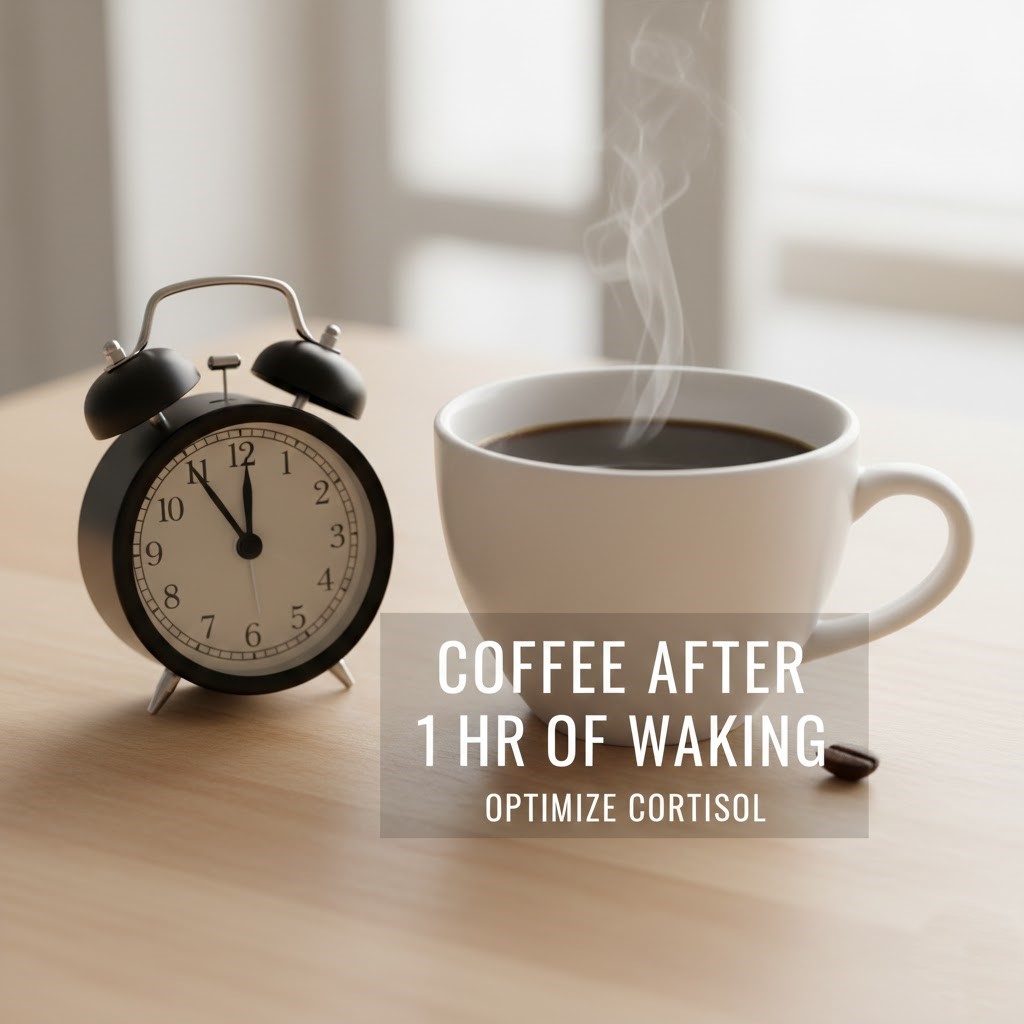
Coffee is a beloved morning beverage for many people, but drinking it right after you wake up might not be the best idea. Upon waking, your body naturally produces cortisol, the stress hormone, which helps you feel alert. Drinking coffee immediately can interfere with your body’s natural cortisol production, potentially leading to feelings of jitteriness or a midday energy crash.
It’s better to wait at least 30–60 minutes after waking up before having your first cup of coffee. This gives your body time to naturally wake up and adjust. If you can’t wait, consider drinking water or a light herbal tea first to hydrate and ease into the day.
Yogurt: Avoid Eating First Thing in the Morning
Yogurt is a great source of probiotics, which support digestive health. However, eating yogurt first thing in the morning, especially if it’s high in sugar, can be problematic for some people. The acidic nature of yogurt may irritate the stomach lining if consumed on an empty stomach, potentially leading to discomfort, bloating, or indigestion.
To get the most out of yogurt, eat it after a light meal, like whole-grain toast with avocado, or mix it with fruits and nuts for added nutrition. This can help buffer the acidity and provide more balanced energy.
Milk: Don’t Drink Before Bed
Drinking milk before bed is often thought to promote better sleep due to the presence of tryptophan, an amino acid that helps the body produce serotonin and melatonin. While milk may help some people relax, it can be problematic for others. The high lactose content in milk can disrupt digestion and lead to discomfort, especially for individuals who are lactose intolerant.
If you find milk comforting, try consuming it earlier in the day or opting for lactose-free or plant-based alternatives like almond or oat milk. This will help avoid any digestion-related sleep disruptions.
Tips for Better Meal Timing
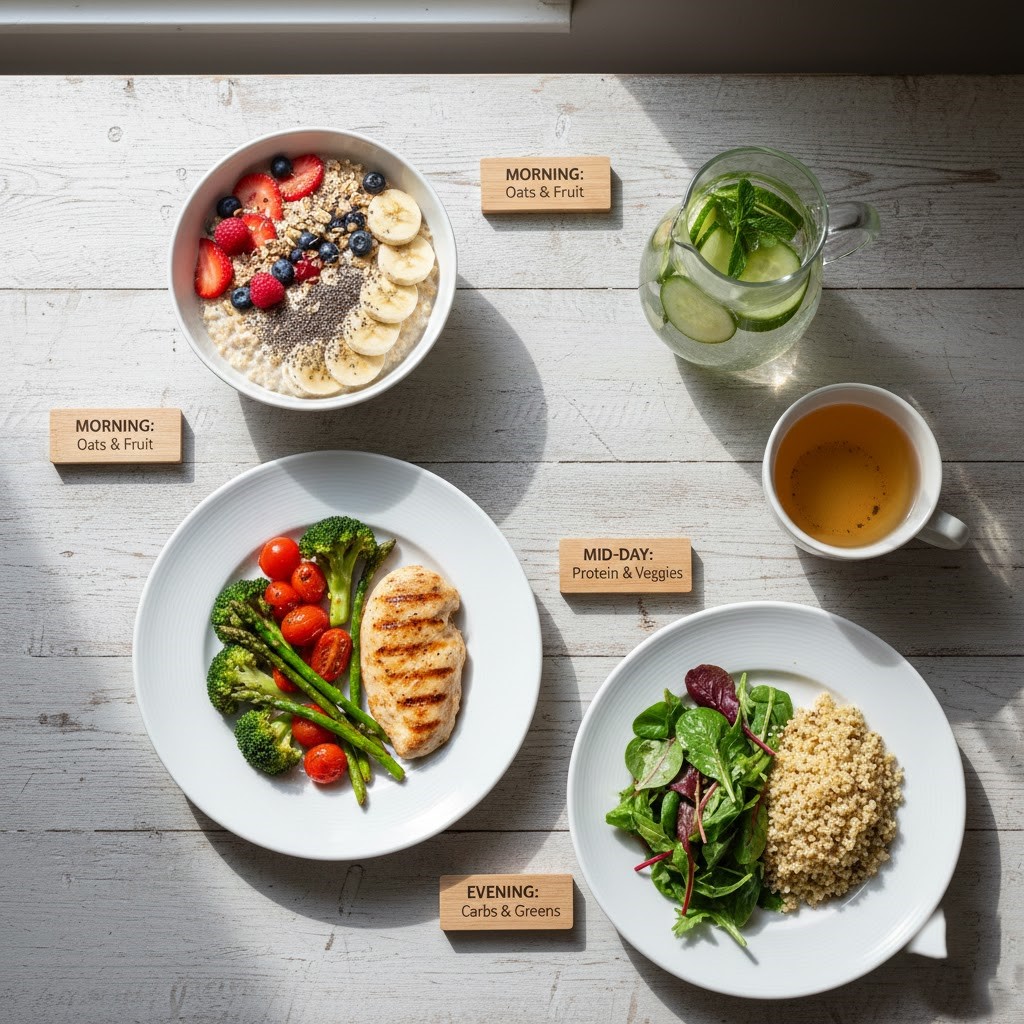
Incorporating the right timing into your eating habits can make a significant difference in how your body functions throughout the day. Below are a few tips to help you optimize meal timing for better health.
Improve Digestion with Proper Meal Timing
Eating at the right time can help improve digestion and reduce bloating. If you often experience discomfort after meals, try spacing out your eating schedule to give your body ample time to digest food. Eating smaller, more frequent meals throughout the day can also prevent overeating and support better nutrient absorption.
How to Plan Your Day for Optimal Health
To maximize your energy and health, it’s essential to plan meals that align with your body’s natural rhythms. Start your day with a light, fiber-rich breakfast, such as oats or fruit, to provide lasting energy. Follow up with a balanced lunch that includes lean protein and vegetables. As the day winds down, opt for lighter dinners, avoiding heavy carbohydrates like rice, which may interfere with nighttime digestion.
Lastly, make sure to stay hydrated throughout the day. Drinking water, herbal teas, and fresh juices can support digestion and help regulate energy levels.
FAQs
- Q: Can I eat apples at night?
A: While apples are best consumed in the morning, they can be eaten at night in moderation. Pairing them with a protein like peanut butter can help balance out sugar levels and prevent late-night cravings. - Q: Why is coffee bad first thing in the morning?
A: Drinking coffee right after waking can interfere with your body’s natural cortisol production, which can lead to jitters and energy crashes later in the day. - Q: Is it okay to eat dark chocolate every day?
A: Yes, as long as it’s consumed in moderation. Opt for dark chocolate with at least 70% cocoa for the maximum health benefits. - Q: Why should I avoid rice at dinner?
A: Rice is a high-carbohydrate food that can cause a spike in blood sugar levels. Eating it late in the day may interfere with digestion and disrupt sleep. - Q: When is the best time to eat nuts?
A: Nuts are best consumed in the morning or as a snack during the day. Eating them overnight can also work well, as it helps your body absorb the nutrients more efficiently.
Conclusion
Eating foods at the right times of day can make a big difference in how you feel and perform. By adjusting your meal timing, you can improve digestion, stabilize energy levels, and even enhance overall health. Experiment with these tips to find the optimal eating schedule for your body, and remember to listen to how it responds.
Disclaimer: This content is for informational purposes only and is not a substitute for professional medical advice.

About Sarah Williams
We turn solid evidence into everyday habits Americans can actually do—plain English, cups/oz, grocery-aisle swaps, and routines that fit real life. Our editorial process: Experience—we road-test tips in real schedules…