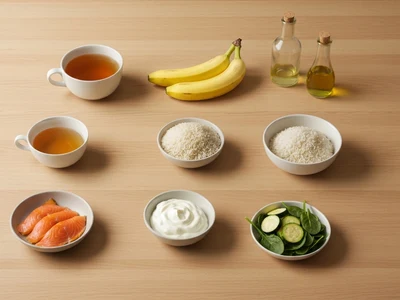
Acne Diet: Foods to Avoid and Foods to Eat
If you’ve tried every cleanser, serum, and spot treatment and still wake up to breakouts, it may be time to...
If you’ve tried every cleanser, serum, and spot treatment and still wake up to breakouts, it may be time to look at what’s on your plate. An acne diet isn’t about perfection or cutting out entire food groups overnight. It’s about understanding how certain foods affect blood sugar, hormones, and inflammation, and making practical swaps you can actually stick with. Let’s break down what really matters when it comes to food and clearer-looking skin.
Acne Diet Basics: What Food Has to Do With Breakouts
Before diving into food lists, it helps to understand why diet matters in the first place. The acne diet focuses on how certain foods influence blood sugar levels, inflammation, and hormone activity — all of which play a role in breakouts.
👉 If you’re also working on topics related to medicine, our detailed guide on Food Is Medicine: Best Foods for Each Organ covers exactly what you need.
Acne Diet and Blood Sugar Spikes (Glycemic Load)
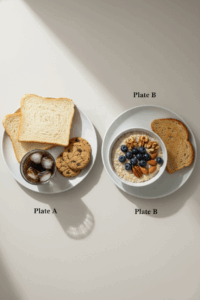
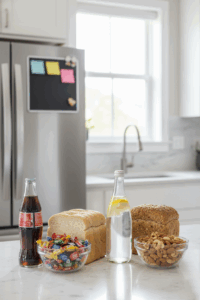
One of the biggest drivers of breakouts is rapid blood sugar spikes. When you eat high-glycemic foods — like white bread, candy, soda, or sweetened coffee drinks — your blood sugar rises quickly. That spike triggers a surge of insulin, which can increase oil production and inflammation.
For example, a 20 oz soda contains about 65 grams of sugar — more than double the recommended daily limit for women (25 grams). That kind of spike can set off a hormonal cascade that shows up on your skin days later. Swapping white bread for whole-grain or sourdough, and soda for sparkling water, can make a noticeable difference over 2–4 weeks.
👉 If you’re also working on blood pressure and heart health, our detailed guide on 15 Easy Diabetic Snacks for Steady Blood Sugar covers exactly what you need.
Acne Diet and Hormones (Insulin, Androgens, Stress)
Insulin doesn’t just affect blood sugar — it also influences androgen hormones. Elevated androgens can increase sebum production, which clogs pores and leads to breakouts.
Dairy can also play a role. Some studies suggest skim milk may be more strongly linked to acne than whole milk, possibly because of its impact on insulin-like growth factor 1 (IGF-1). That doesn’t mean everyone needs to eliminate dairy. But if you’re drinking 2–3 glasses of milk daily or using whey protein shakes, it may be worth experimenting with alternatives for 30 days.
👉 Want to go further? Our complete breakdown of Best Hormone-Balancing Foods for Sleep & Stress walks you through sleep quality and recovery step by step.
Acne Diet Foods to Avoid (Most Common Triggers)
Now that you understand the “why,” let’s talk specifics. The acne diet isn’t about restriction — it’s about awareness. These are the foods most commonly linked to breakouts in real-life US eating patterns.
Acne Diet Red Flags: Sugary Snacks, Soda, and Desserts
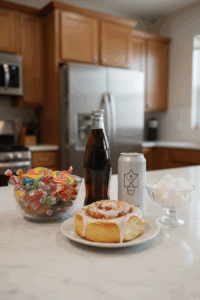
Highly processed sweets top the list. Think candy, donuts, frosted cereal, pastries, and energy drinks. These foods digest quickly and spike blood sugar fast.
A typical convenience-store muffin can contain 40–50 grams of sugar — almost two days’ worth in one sitting. Instead of grabbing that mid-afternoon sugar hit, try a protein-forward snack like Greek yogurt (unsweetened) with berries or a handful of almonds. Slowing digestion with protein and fiber helps stabilize blood sugar and reduce inflammation.
Acne Diet Watch List: White Bread, Pizza, and Refined Carbs
Refined carbohydrates are another major trigger. White sandwich bread, regular pasta, crackers, and even classic pizza crust can cause similar insulin spikes.
If pizza is a weekly staple, try ordering thin crust and pairing it with a side salad. Or experiment with whole-grain or cauliflower crust options at places like Trader Joe’s or Costco. It’s not about eliminating comfort foods — it’s about reducing frequency and improving quality.
Acne Diet and Dairy: Milk, Whey, and “Protein” Drinks
Milk, whey protein powders, and sweetened lattes may worsen acne for some people. Whey protein in particular has been linked to breakouts in athletes and gym-goers.
If you use protein shakes daily, consider switching to a plant-based blend (pea or brown rice protein) for 4–6 weeks and track changes. Oat milk or unsweetened almond milk can also be useful swaps in coffee and smoothies.
Acne Diet Foods to Eat for Clearer-Looking Skin
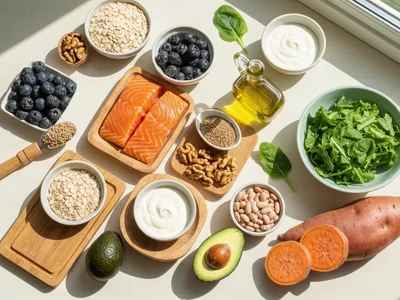
Fortunately, the acne diet isn’t just about what to avoid. Certain foods may help reduce inflammation and support skin repair.
Acne Diet Staples: Berries, Leafy Greens, and Cruciferous Veggies
Colorful fruits and vegetables are packed with antioxidants that help counter inflammation. Blueberries, strawberries, spinach, kale, broccoli, and Brussels sprouts are excellent choices.
For example, 1 cup of blueberries provides about 4 grams of fiber and powerful polyphenols that support gut and skin health. Try adding 1–2 cups of vegetables to lunch and dinner daily. A simple side of roasted broccoli tossed with 1 tbsp olive oil can go a long way.
Acne Diet Healthy Fats: Avocado, Nuts, and Olive Oil
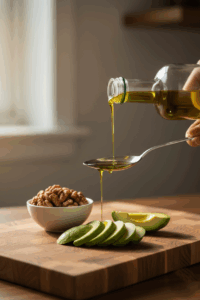
Healthy fats support skin barrier function and reduce inflammatory signals. Avocados, walnuts, chia seeds, and extra-virgin olive oil are staples.
Aim for 1–2 tablespoons of olive oil per day or half an avocado with lunch. Swapping processed snack chips for a handful (about 1 oz) of walnuts provides omega-3 fats that may help calm inflammatory acne over time.
Acne Diet Add-Ons: Green Tea, Turmeric, Ginger, Garlic
Small additions can also make a difference. Green tea contains catechins that may reduce oil production. Turmeric and ginger have anti-inflammatory compounds.
Try replacing your second coffee with green tea 3–4 times per week. Add ½ teaspoon turmeric and fresh grated ginger to soups or smoothies. These aren’t magic fixes — but they support the overall acne diet approach.
How to Start an Acne Diet Without Overhauling Your Life
This is where most people get overwhelmed. The key is gradual change — not a total reset.
Acne Diet Swap List (Easy Replacements You’ll Actually Use)
Instead of cutting everything out at once, try these practical swaps:
- Swap soda for sparkling water with lemon.
- Choose whole-grain or sourdough over white bread.
- Replace whey protein with plant-based protein.
- Pick dark chocolate (70%+) over milk chocolate.
- Order grilled instead of fried at restaurants.
- Add a side salad to pizza or pasta nights.
Small shifts done consistently matter more than extreme changes for 7 days.
Acne Diet Grocery Guide (What to Buy at US Stores)
At Whole Foods, Trader Joe’s, or your local supermarket, focus on the perimeter: produce, lean proteins, and healthy fats.
A simple acne-friendly cart might include:
- Spinach, broccoli, bell peppers
- Blueberries and oranges
- Wild salmon (1–2 lb for the week)
- Avocados and olive oil
- Brown rice or quinoa
- Unsweetened almond milk
Plan for 2–3 home-cooked dinners per week. You don’t need to cook every night to see improvement.
Acne Diet Timeline: What to Expect in 2–6 Weeks
Skin turnover takes about 28 days. That means meaningful changes usually show up after 4 weeks, not 4 days.
Some people notice reduced oiliness within 2 weeks. Deeper cystic acne may take 6–8 weeks to calm. Track changes weekly — not daily — to avoid frustration.
FAQs
Does chocolate cause acne?
Milk chocolate may worsen breakouts due to sugar and dairy content. Dark chocolate (70% cocoa or higher) in small portions — about 1 oz — is less likely to cause issues for most people.
Is coffee bad for acne?
Black coffee itself isn’t the problem. Sugary lattes with 30–40 grams of sugar are. If caffeine triggers stress breakouts, try limiting to 1 cup daily.
Should I cut dairy completely?
Not necessarily. Try reducing milk and whey protein for 30 days and monitor changes. Some tolerate yogurt or cheese better than liquid milk.
Do supplements help with acne?
Zinc (around 15–30 mg daily), omega-3s (1,000 mg), and probiotics may support skin health. Always check with a healthcare provider before starting supplements.
How strict does an acne diet need to be?
Consistency matters more than perfection. Following the acne diet about 80% of the time is often enough to see improvements.
Final Thoughts
The acne diet isn’t about fear or restriction — it’s about giving your skin a better environment to heal. Start small, stay consistent for at least 4 weeks, and pay attention to patterns. Your skin often reflects what’s happening internally.
If you’re ready to experiment, begin with one or two swaps this week and build from there.
Disclaimer: This content is for informational purposes only and is not a substitute for professional medical advice.

About Sarah Williams
We turn solid evidence into everyday habits Americans can actually do—plain English, cups/oz, grocery-aisle swaps, and routines that fit real life. Our editorial process: Experience—we road-test tips in real schedules…