Nutrient-Rich Nuts & Seeds: Top Health Benefits
Nutrient-rich nuts and seeds are small but powerful pantry staples that deliver fiber, healthy fats, plant protein, and key minerals...
Nutrient-rich nuts and seeds are small but powerful pantry staples that deliver fiber, healthy fats, plant protein, and key minerals in just a handful. From almonds and walnuts to chia and pumpkin seeds, these foods can support heart, brain, and metabolic health when eaten in sensible portions. In this guide for US readers, you’ll learn which nutrient-rich nuts and seeds offer specific benefits, how much to eat (in ounces and tablespoons), and easy ways to add them to everyday meals without overdoing calories.
Why Nutrient-Rich Nuts & Seeds Deserve a Spot in Your Pantry
To start, nutrient-rich nuts and seeds earn their reputation because they pack meaningful nutrition into small servings.
👉 This pairs well with our 9 Magnesium-Rich Foods to Add This Week guide if you want the full picture on topics related to magnesium.
Nutrients You Get in a Small Serving of Nutrient-Rich Nuts & Seeds
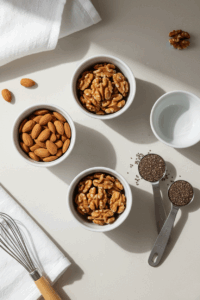
A standard serving of nutrient-rich nuts and seeds is about 1 oz (28 g)—roughly 23 almonds, 14 walnut halves, or 2 tbsp of seeds. In that small portion, you typically get 4–7 g of protein, 2–4 g of fiber, and mostly unsaturated fats. For example, 1 oz of almonds provides about 6 g protein and 3.5 g fiber, plus vitamin E. Chia seeds deliver about 5 g fiber per 2 tbsp, making them one of the highest-fiber options in the seed aisle at major US grocery stores like Kroger or Safeway.
Beyond macros, these foods provide magnesium, potassium, selenium, zinc, and antioxidants. That combination helps fill common nutrient gaps without relying on supplements.
👉 Want to go further? Our complete breakdown of Protein-Rich Foods to Power a Healthy Diet walks you through getting enough protein step by step.
Who Benefits Most from Nutrient-Rich Nuts & Seeds
Nutrient-rich nuts and seeds can be especially helpful for busy adults, older adults, and plant-based eaters. For example, someone following a vegetarian or flexitarian diet may rely on 1–2 oz per day to boost protein and iron intake. Older adults often need more magnesium and healthy fats, both abundant in pumpkin seeds and walnuts.
They’re also convenient. A 1 oz portion fits easily into a work bag or gym backpack, making it a practical swap for processed snack bars. While they are calorie-dense (about 160–200 calories per ounce), mindful portions allow you to enjoy the benefits without overshooting daily energy needs.
👉 For a deeper dive into topics related to benefits, check out: Benefits Of Drinking Gallon Water Daily — it’s packed with practical tips.
Best Nutrient-Rich Nuts for Heart, Brain, and Everyday Energy
Next, let’s look at specific nutrient-rich nuts and what each does best.
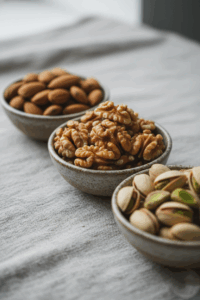
Almonds, Walnuts, and Pistachios as Nutrient-Rich Nuts
Almonds are among the most popular nutrient-rich nuts in the US, and for good reason. A 1 oz serving contains about 7 mg vitamin E, an antioxidant that supports cellular health. Walnuts stand out for plant-based omega-3 fats (ALA), offering about 2.5 g ALA per ounce—more than most other nuts. Pistachios provide around 6 g protein per ounce and are one of the lower-calorie options at about 160 calories per 49 kernels.
Together, these nutrient-rich nuts are commonly associated with heart-friendly eating patterns, such as the Mediterranean-style diet. While no single food prevents disease, including a mix of almonds, walnuts, and pistachios several times per week may support balanced cholesterol and overall cardiovascular health when paired with a balanced diet.
Cashews, Pecans, and Hazelnuts as Nutrient-Rich Nuts
Cashews are slightly lower in fat than many other nutrient-rich nuts and provide meaningful amounts of iron and magnesium, with about 82 mg magnesium per ounce. Pecans are rich in antioxidants and contain about 20 g fat per ounce, mostly monounsaturated. Hazelnuts provide vitamin E and a buttery texture that works well in oatmeal or homemade nut butter.
Choosing among these nutrient-rich nuts can depend on your goals. For example, if you want more magnesium for muscle function, pumpkin seeds or cashews may be ideal. If you prefer a sweeter, dessert-like flavor, pecans may fit better into yogurt parfaits or salads.
Best Nutrient-Rich Seeds for Fiber, Omega-3s, and Minerals
Now let’s shift from nuts to nutrient-rich seeds, which often offer even more fiber per tablespoon.

Chia and Flax as Nutrient-Rich Seeds
Chia seeds and flaxseed are two of the most talked-about nutrient-rich seeds in the US. 2 tbsp of chia seeds provide about 10 g fiber and nearly 5 g omega-3 ALA. Ground flaxseed offers about 3 g fiber and 2 g ALA per tbsp. Because whole flax can pass through undigested, ground flax seed is typically recommended.
Many Americans add chia to smoothies or make chia pudding using 1/4 cup chia to 1 cup milk (dairy or plant-based), chilled for at least 2 hours. These nutrient-rich seeds support digestive health thanks to soluble fiber, which forms a gel-like texture when mixed with liquid.
Pumpkin, Sunflower, and Sesame as Nutrient-Rich Seeds
Pumpkin seeds (pepitas) are mineral powerhouses, offering about 150 mg magnesium per ounce—nearly 35% of the Daily Value. Sunflower seeds are rich in vitamin E, while sesame seeds provide calcium and iron, especially when consumed as tahini.
A simple way to use these nutrient-rich seeds is sprinkling 1–2 tbsp over salads, grain bowls, or even soups. Lightly dry-roasting seeds at 325°F for 8–10 minutes enhances flavor without needing added oil. As always, portion awareness matters because an ounce can still contain 150–180 calories.
How to Add Nutrient-Rich Nuts & Seeds to Meals (Portion Smart)
Finally, here’s a practical approach to enjoying nutrient-rich nuts and seeds without turning a healthy snack into a calorie overload.

6 Simple Steps to Use Nutrient-Rich Nuts & Seeds Daily
- Measure 1 oz (about a small handful) instead of eating from the bag.
- Add 1 tbsp seeds to morning oatmeal or Greek yogurt.
- Swap croutons for 1–2 tbsp chopped nuts on salads.
- Blend 1 tbsp ground flax into smoothies.
- Stir 2 tbsp pumpkin seeds into trail mix with dried fruit.
- Store extras in the fridge to prevent rancidity.
These steps keep servings consistent and practical for real-life US kitchens.
Tips & Swaps for Nutrient-Rich Nuts & Seeds
- Choose unsalted or lightly salted options.
- Buy raw and dry-roast at 325°F for control.
- Use nut butters (2 tbsp max) in place of cream cheese.
- Mix walnuts with dark chocolate chips for a balanced treat.
- Freeze bulk nuts to extend freshness.
- Rotate varieties weekly for nutrient diversity.
Buying from bulk bins can save money, but check turnover dates for freshness. Store nutrient-rich nuts and seeds in airtight containers; most last 3–6 months in the pantry and up to 1 year in the freezer.
FAQs
Are nutrient-rich nuts and seeds good for weight loss?
Yes, when portion-controlled. Although 1 oz contains 160–200 calories, the fiber, protein, and healthy fats can increase satiety. Studies suggest people who eat nuts regularly do not necessarily gain weight and may better control hunger when they stick to measured servings instead of free-pouring from large containers.
How much of these nutrient-rich nuts and seeds should I eat daily?
For most adults, 1–2 oz of nuts or 1–2 tbsp of seeds per day fits well within a balanced diet. That equals about 23 almonds or 2 tbsp chia seeds. Individual calorie needs vary based on age, sex, and activity level, so adjust portions accordingly.
Which nutrient-rich nuts and seeds are best for heart health?
Walnuts (for omega-3 ALA), almonds (for fiber and vitamin E), and pistachios (for plant protein and potassium) are commonly included in heart-friendly eating patterns. Pumpkin seeds also contribute magnesium. No single food guarantees results, but variety supports broader nutrient coverage.
Are roasted nutrient-rich nuts and seeds less healthy than raw?
Dry-roasted options are nutritionally similar to raw. The main concern is added oils or excessive sodium. Check labels and aim for less than 140 mg sodium per serving if you’re monitoring blood pressure. Light roasting at home preserves flavor without heavy processing.
Make Nutrient-Rich Nuts & Seeds Work for You
Nutrient-rich nuts and seeds are versatile, affordable, and easy to add to meals across the week. Start with small, measured portions, rotate varieties, and pair them with whole foods like fruits, vegetables, and whole grains. A handful a day can be a simple step toward a more balanced plate.
Disclaimer: This content is for informational purposes only and is not a substitute for professional medical advice.

About Sarah Williams
We turn solid evidence into everyday habits Americans can actually do—plain English, cups/oz, grocery-aisle swaps, and routines that fit real life. Our editorial process: Experience—we road-test tips in real schedules…