Is the 900-Calorie Egg Diet Safe? A Practical Guide
Trying a diet that promises quick results—like the popular 900-calorie egg diet—can be tempting when you want a fast jump-start....
Trying a diet that promises quick results—like the popular 900-calorie egg diet—can be tempting when you want a fast jump-start. These plans often circulate online with bold claims such as losing up to 10 kg (about 22 lb) in 10 days. While the structure looks simple, a very low–calorie diet comes with important considerations. This guide breaks down what the plan includes, the potential benefits, the risks, and safer alternatives for US readers who want realistic, sustainable progress.
What the 900-Calorie Egg Diet Includes
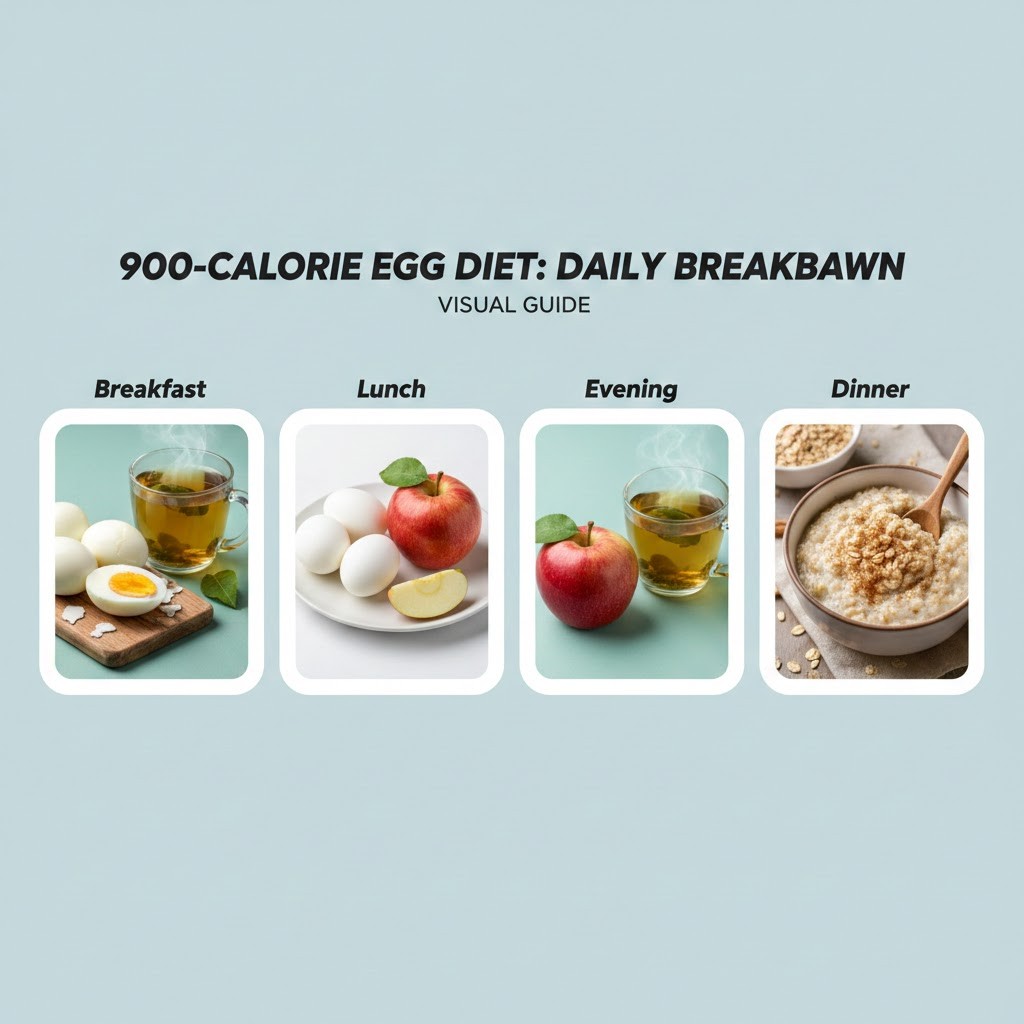
Before deciding whether the 900-calorie egg diet fits your needs, it helps to understand how the plan is structured. Many versions online share a similar format built around boiled eggs, fruit, and tea. The daily menu is repetitive and follows a predictable calorie pattern, which is part of its appeal for people who prefer simple rules.
👉 This pairs well with our Easy Keto Avocado Smash Breakfast With Poached Egg guide if you want the full picture on topics related to breakfast.
Typical Daily Meal Breakdown
Most versions of the diet center heavily on eggs because they provide protein at relatively low calories—about 70 calories per large egg. A sample day often includes 3 boiled eggs at breakfast, 3 more at lunch, a cup of green tea with each meal, and one or two apples. Dinner usually offers a small bowl of oatmeal, bringing the daily total close to 850–950 calories. While this structure is straightforward, it lacks variety and includes far fewer calories than most adults need for basic energy.
👉 For a deeper dive into topics related to benefits, check out: Benefits Of Drinking Gallon Water Daily — it’s packed with practical tips.
Why This Diet Gains Attention Online
The diet frequently goes viral because it promises rapid results, especially for people wanting a short-term reset. Many individuals report losing 3–8 lb in the first few days, mostly from water weight. The plan is also inexpensive—eggs and apples are accessible at most US grocery stores for just a few dollars. However, popularity doesn’t always equal safety, and understanding the difference between quick results and sustainable progress is essential.
👉 For a deeper dive into getting enough protein, check out: Protein-Rich Foods to Power a Healthy Diet — it’s packed with practical tips.
Potential Benefits and Realistic Expectations
After learning how the plan works, the next step is understanding what outcomes are realistic. Extremely low-calorie diets do lead to fast changes on the scale, but those changes don’t always reflect true fat loss.
Short-Term Weight Changes You May See
When calories drop below 1,000 per day, the body begins burning stored glycogen, a form of carbohydrate that holds water. This is why the scale can drop 2–5 lb within 72 hours—but it’s mainly water loss. While this initial change can feel motivating, research shows that most people regain this weight quickly once they resume normal eating. True fat loss requires more time, consistency, and a moderate calorie deficit rather than severe restriction.
How Very Low Calories Impact Daily Energy
Eating only 900 calories per day can affect your ability to focus, exercise, or perform daily tasks. Most US adults need 1,600–2,400 calories depending on age, size, and activity. When intake falls too low, fatigue and irritability are common. Some people also experience headaches or dizziness, especially if meals lack variety. Using eggs as the primary protein source isn’t harmful on its own, but relying on them exclusively for days or weeks leads to nutrient gaps that can disrupt energy levels.
Risks and Safety Considerations
As you evaluate whether the 900-calorie egg diet is appropriate for your goals, it’s important to review the potential downsides. Rapid diets often carry risks that aren’t visible at first glance.
Common Nutrient Gaps in Restrictive Diets
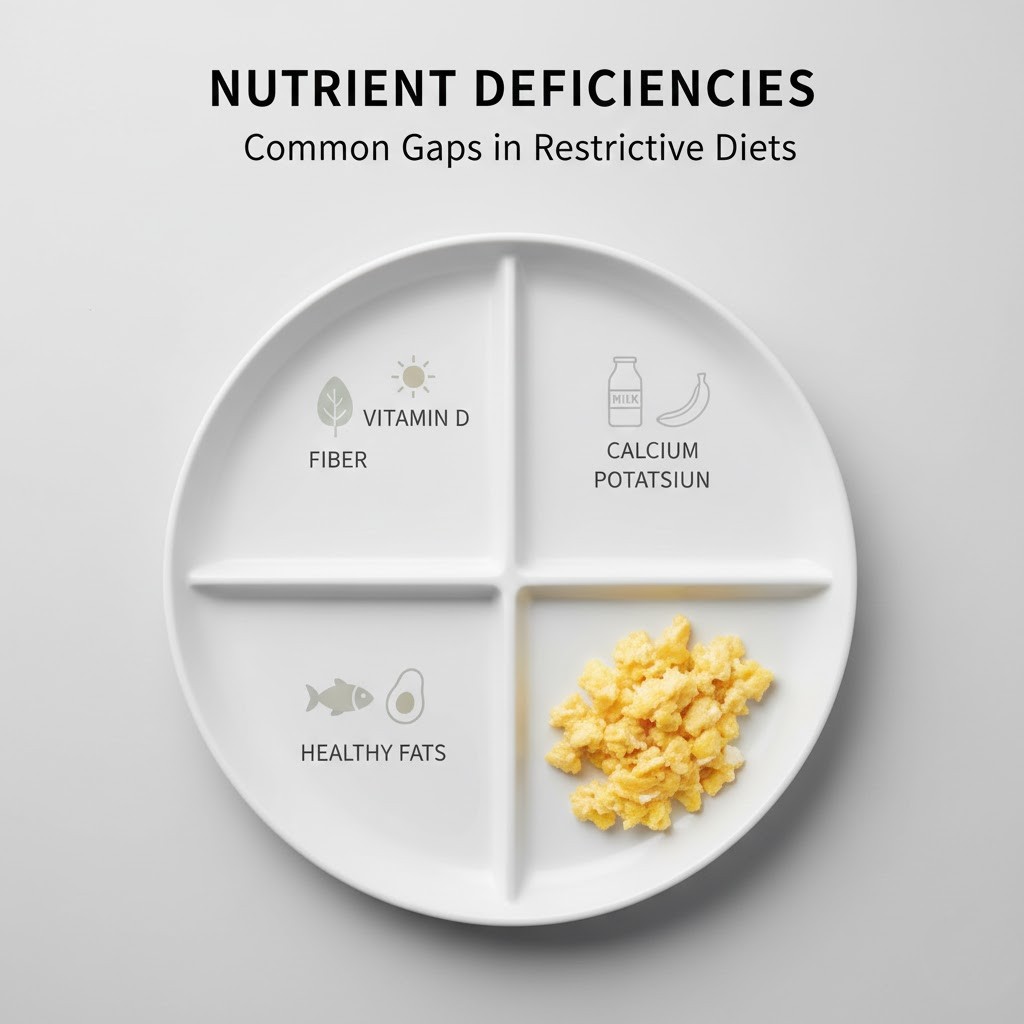
A plan built around eggs, apples, tea, and oatmeal leaves out essential nutrients like healthy fats, fiber variety, calcium, and several vitamins. For example, US dietary guidelines recommend 28–34 grams of fiber per day, but this plan typically provides less than half of that. Low-calorie plans can also reduce muscle mass, especially when protein variety is limited. Over time, these gaps can affect digestive comfort, hormone balance, and immune function.
Who Should Avoid Extreme Low-Calorie Plans
Very low-calorie diets are especially risky for teens, older adults, pregnant individuals, and anyone with a history of metabolic or cardiovascular conditions. People who exercise regularly may also struggle because the body needs more fuel to support muscle activity. If you take medication for blood sugar, thyroid health, or blood pressure, abrupt calorie reductions can cause unwanted fluctuations. Consulting a healthcare provider is important before making dramatic changes.
Healthier, Sustainable Alternatives
Rather than relying on rapid, restrictive plans like the 900-calorie egg diet, you can achieve steady progress with balanced, realistic changes. Small shifts are easier to maintain and still help with weight goals.
Balanced Meal Ideas With Eggs

Eggs can absolutely be part of a healthy weight-loss plan—they’re affordable, versatile, and contain high-quality protein. A more sustainable plate might include 2 scrambled eggs, 1 cup of sautéed spinach, and ½ cup of roasted potatoes for breakfast. For lunch, consider a bowl with hard-boiled eggs, leafy greens, cherry tomatoes, and a light vinaigrette. These options are still simple but offer better nutrition overall without dropping calories to extreme lows.
Recommended Calorie Ranges for Safe Weight Loss
Most adults aiming to lose weight benefit from a modest deficit of 300–500 calories per day, resulting in about 1 lb of fat loss per week. This approach supports long-term progress without overwhelming hunger or nutrient gaps. Staying near 1,300–1,600 calories for women and 1,600–2,000 calories for men works well for many people, though needs vary. If results plateau, small adjustments or increased movement often help without requiring extreme diets.
Tips for Staying Consistent With Any Eating Plan
Once you’ve identified a healthier approach, consistency becomes the key to success. These practical strategies can help you maintain progress without feeling deprived.
Hydration, Meal Timing, and Smart Snacking
Staying hydrated supports digestion and appetite control, and many people feel more energized when drinking 6–8 cups of water daily. Eating meals at consistent times stabilizes blood sugar, helping reduce cravings in the afternoon or evening. Smart snacks—like a handful of nuts or sliced veggies with hummus—offer protein and fiber to keep hunger manageable without adding too many calories.
Building Habits That Support Long-Term Wellness
Long-term success comes from habits you can live with every day. Preparing groceries ahead of time, choosing easy 20-minute recipes, or planning simple breakfasts can remove decision fatigue. For example, having pre-boiled eggs, washed greens, and a tub of cooked grains in the fridge makes building balanced meals easier. Over time, these small, repeatable habits lead to predictable progress that lasts far longer than any 10-day crash diet.
Tips & Swaps (Quick Reference)
- Add veggies to meals for more volume and nutrients.
- Use herbs and spices to boost flavor without extra calories.
- Keep hard-boiled eggs ready for balanced snacks.
- Swap oatmeal for Greek yogurt when you need more protein.
- Choose apples, berries, or oranges for fiber-rich snacks.
- Drink green tea or water instead of sugary drinks.
FAQs
- Can you lose weight on a 900-calorie egg diet?
Yes, but most early weight loss is water, not fat. Very low-calorie diets can lead to quick scale changes, but these results rarely last. A moderate deficit is safer and more sustainable over time. - Is eating this few calories safe for most adults?
For most people, 900 calories is too low and can cause fatigue, nutrient deficiencies, and muscle loss. Health professionals typically recommend higher intake levels unless medically supervised. - How many eggs per day are safe to eat?
For most healthy adults, 1–2 eggs per day fits well into a balanced diet. Eating 6 or more daily for extended periods may limit nutritional diversity and isn’t ideal long-term. - What should I do if I want fast results but safely?
Focus on nutrient-dense foods, staying hydrated, and maintaining a moderate calorie deficit. Pairing meals with daily walking or light strength training boosts results without extreme restrictions. - Can I use parts of the egg diet without following it fully?
Yes—adding boiled eggs to breakfast or lunch can improve protein intake and help keep you full. The key is to combine them with vegetables, whole grains, and balanced portions.
If you’re aiming for steady progress without crash diets, explore balanced meal ideas and simple habit-building strategies that support your long-term health goals.
Disclaimer: This content is for informational purposes only and is not a substitute for professional medical advice.

About Sarah Williams
We turn solid evidence into everyday habits Americans can actually do—plain English, cups/oz, grocery-aisle swaps, and routines that fit real life. Our editorial process: Experience—we road-test tips in real schedules…